




Garden Therapy Through Aquaponics
For me, aquaponics became about far more than growing food.
I originally came to aquaponics for practical reasons.
I wanted to grow real food. I wanted healthy fish. I wanted a system that made sense and allowed me to become a little more connected to where my food came from.
But somewhere along the way, aquaponics became something else too.
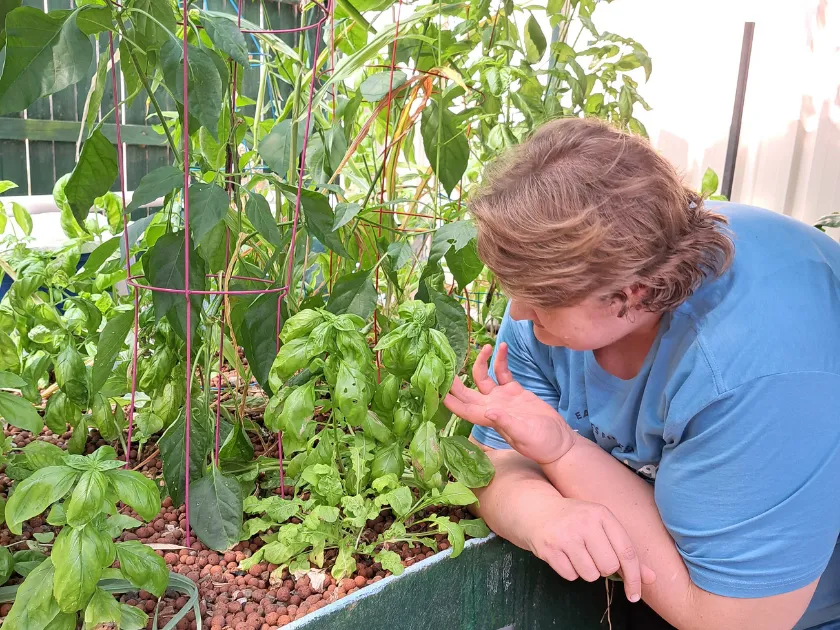
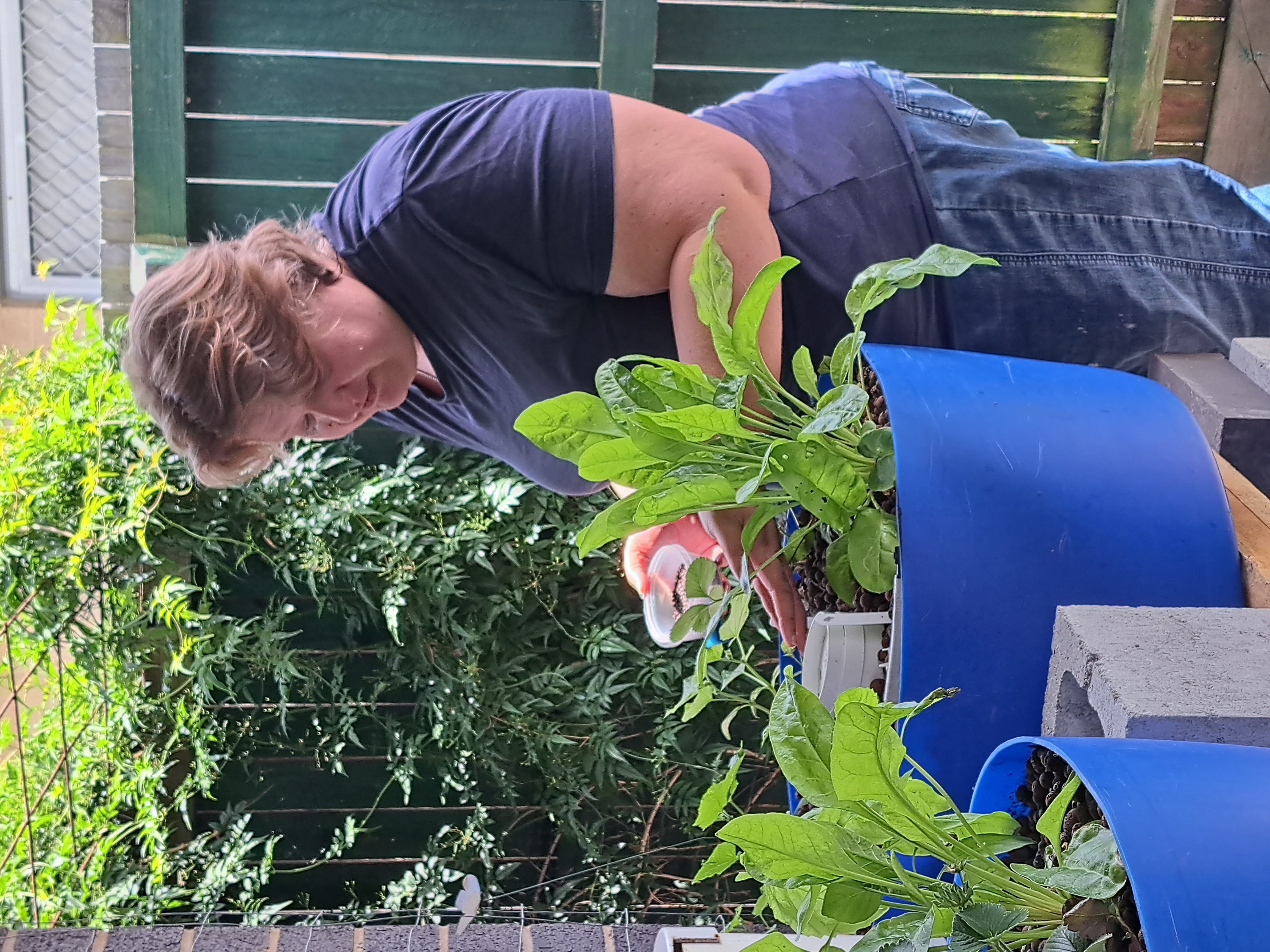
The sound of moving water. Feeding the fish. Watching new growth appear. Putting my hands into the grow beds. Having something living to care for and a reason to step outside.
Aquaponics became one of the places where I could find calm, connection, routine and a little space to breathe.
I call that part of my experience Garden Therapy.
What Do I Mean by Garden Therapy?
I'm not using the words Garden Therapy to suggest that aquaponics is medical treatment or that someone else's experience will be the same as mine.
I'm describing something much more personal.
It's what I've discovered through years of caring for fish, growing food and spending time around a living aquaponics ecosystem.
Sometimes I need the routine.
Sometimes I need something practical to focus on.
Sometimes I need the sensory experience of water, plants and fish.
Sometimes I need to see that something is still growing.
And sometimes I simply need somewhere I can be for a while without needing to achieve anything at all.
For me, that place has often been my aquaponics garden.
Sometimes the Harvest Isn't the Food
We usually measure a food garden by what we harvest from it.
How many tomatoes? How much lettuce? How many kilograms of fish?
Those things matter to me. Growing food was one of the reasons I became involved with aquaponics in the first place.
But I've learned that there can be other kinds of harvests too.
Confidence from solving a problem I didn't think I could solve.
Routine from having fish that depend on me.
Connection from watching an ecosystem I've cared for continue to grow.
A moment of calm beside moving water.
The satisfaction of finding a new leaf, harvesting something for dinner or finally understanding what my water tests are telling me.
Those things don't appear on a harvest chart.
But they have mattered enormously to me.
My Aquaponics Zen Zone
Years ago, I wrote about what I called my “anxiety octopus” — that feeling of anxiety reaching into every part of life at once.
One of the things I discovered was the importance of having somewhere I could reconnect with the present moment.
For me, that became my aquaponics garden.
I could hear the water flowing through the system.
Watch the fish swimming below the surface.
Smell the herbs growing around me.
Notice what had changed since yesterday.
For those moments, I didn't have to solve everything else.
I could simply be there.
That experience became part of an article I wrote for Tiny Buddha, Taming the Anxiety Octopus: How to Stop Overthinking and Feel More, about some of the things that helped me understand and live with my own anxiety.
What My Aquaponics Ecosystem Has Taught Me
Aquaponics is a living ecosystem.
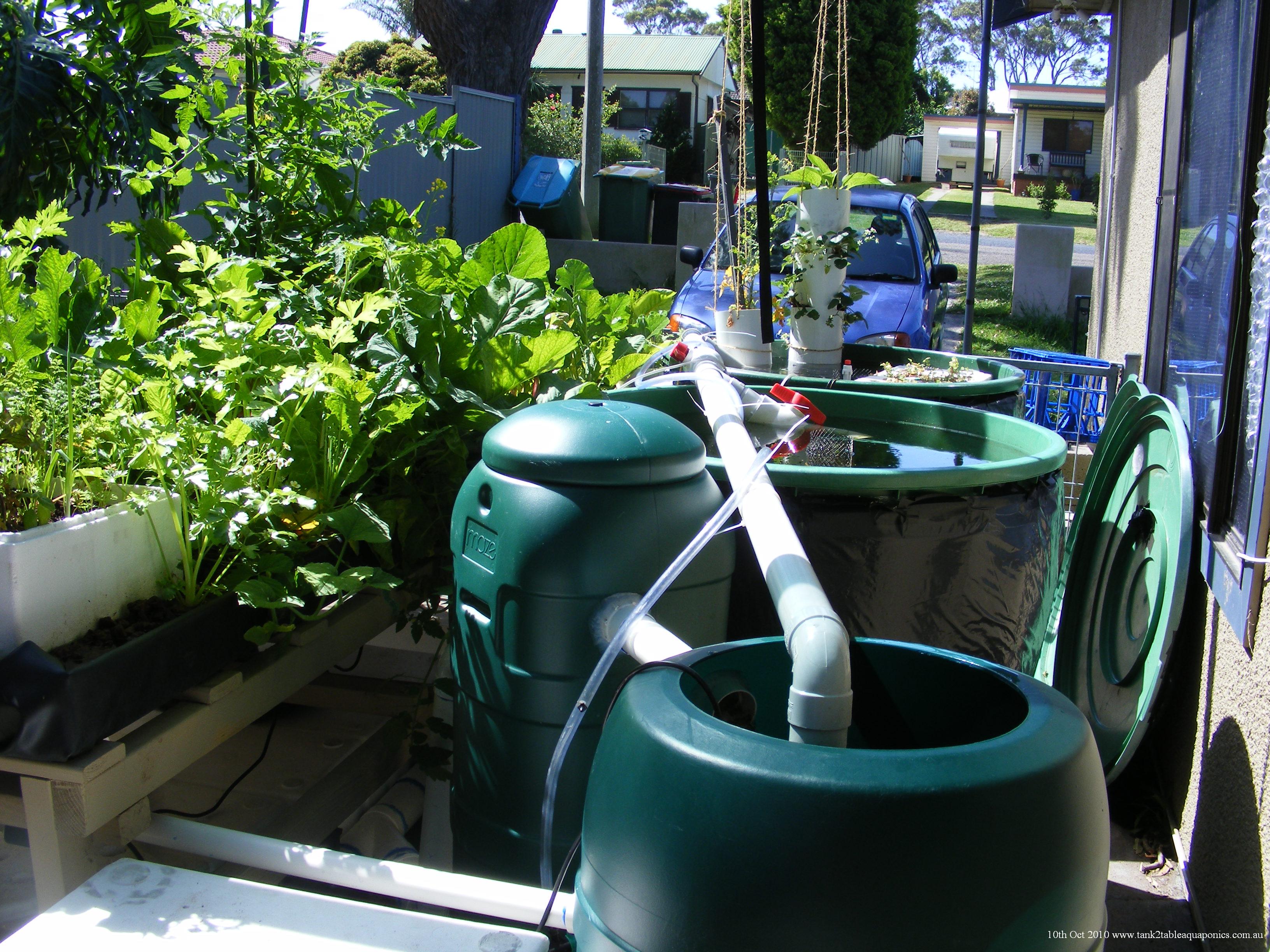
Water moves. Fish eat. Bacteria transform waste. Plants take what they need. Conditions change, and the different parts continually respond to one another.
Over time, I began noticing parallels between what I was learning from my aquaponics systems and what I was learning about myself.
These five ideas became a way for me to explore that connection.
All videos here are my personal opinions and experiences based on what has helped me. Everyone is different.
Finding Your Own Flow
Water doesn't move through every aquaponics system in exactly the same way.
Its path depends on the system around it.
That idea of flow became meaningful to me outside aquaponics too.
For a long time, it was easy to measure myself against what life was supposedly meant to look like — what I should achieve, how I should work, where I should be and how quickly I should get there.
Aquaponics gave me another way to think about it.
A system doesn't need to look like somebody else's system to work.
And neither do I.
Finding my own flow has meant learning what works for me, rather than continually judging myself against somebody else's version of flourishing.
Finding Balance When Everything Feels Too Much
An aquaponics system is never perfectly still.
Water quality changes. Fish grow. Plants consume nutrients. Seasons change. Something needs adjusting.
Balance isn't a point where nothing ever changes.
It's the ability of the ecosystem to respond to those changes and continue functioning.
I've found that idea helpful when thinking about my own emotional regulation.
When I'm overwhelmed, I can come back to something physical and familiar.
Watch the water.
Check the fish.
Notice the plants.
Follow the system from one part to another.
I don't need to fix everything in my life in that moment.
Sometimes I just need something steady enough to help me find my footing again.
This video speaks from personal experience and beliefs, which helped me. it might not be right for you.
Growth Doesn't Always Look Like Growth
Seeds begin where we can't see them.
Roots develop beneath the surface.
A plant can appear to be doing very little while something important is happening underneath.
I've had periods of my life that felt like that too.
Aquaponics didn't magically make difficult things disappear.
What it gave me was something living that continued to remind me that change can happen slowly, quietly and without looking impressive from the outside.
Sometimes progress was building something.
Sometimes it was learning something.
Sometimes it was simply going outside and feeding the fish.
Not every form of growth needs to be visible to matter.
Routine, Resilience & Learning to Trust Myself
Fish need feeding.
Water needs moving.
Plants need checking.
The system gives me small, practical things I can do.
That predictability has mattered to me.
Aquaponics has also given me countless problems to solve — pumps that stop, water quality that changes, plants that struggle and systems that don't behave quite the way I expected.
Every time I learn what happened and work out what to do next, I add another little piece of knowledge.
And another little piece of confidence.
For me, resilience hasn't always come from doing something enormous.
Sometimes it has come from being able to say:
I've seen this before. I know where to start.
Water, Plants, Fish & Something to Focus On
Aquaponics engages my senses in a way that I find grounding.
I can hear water returning to the fish tank.
Feel the grow media beneath my hands.
Watch fish move through the water.
Smell herbs and plants.
Notice sunlight, shade, movement and tiny changes in the system.
When my mind is crowded, I can follow the journey of the water.
From the fish.
Through the filtration.
Into the growing area.
And eventually back again.
It's something real, physical and happening right in front of me.
Sometimes that is exactly what I need.
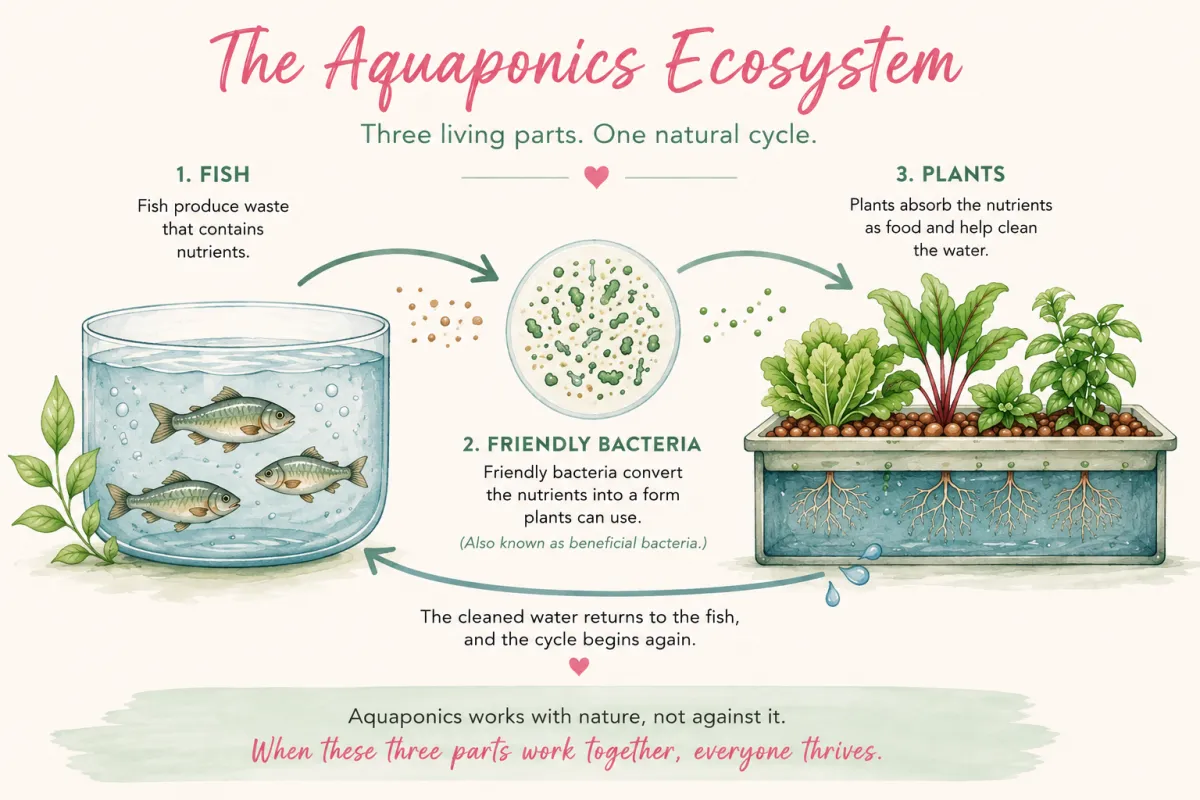
Three Living Parts. One Natural Cycle.
One of the things I love most about aquaponics is that no single part succeeds alone.
The fish produce waste.
Beneficial bacteria transform it.
The plants use those nutrients to grow.
The water returns and the cycle begins again.
Each part affects the others.
Learning to care for that ecosystem taught me to observe rather than immediately react. To notice patterns. To understand that imbalance doesn't necessarily mean failure. And to recognise that sometimes the answer isn't forcing one part harder — it's looking at the relationships between everything around it.
That's one of the reasons aquaponics became so much more to me than a way of growing vegetables.
Eventually, This Story Became a Book
For years, aquaponics had been quietly teaching me things I didn't realise I was learning.
Not just about fish.
Not just about plants.
About patience. Observation. Resilience. Food security. Confidence.
Connection. And what it means to keep tending something when life doesn't look the way you thought it would.
Eventually I realised there was another story sitting underneath everything I had taught about aquaponics.
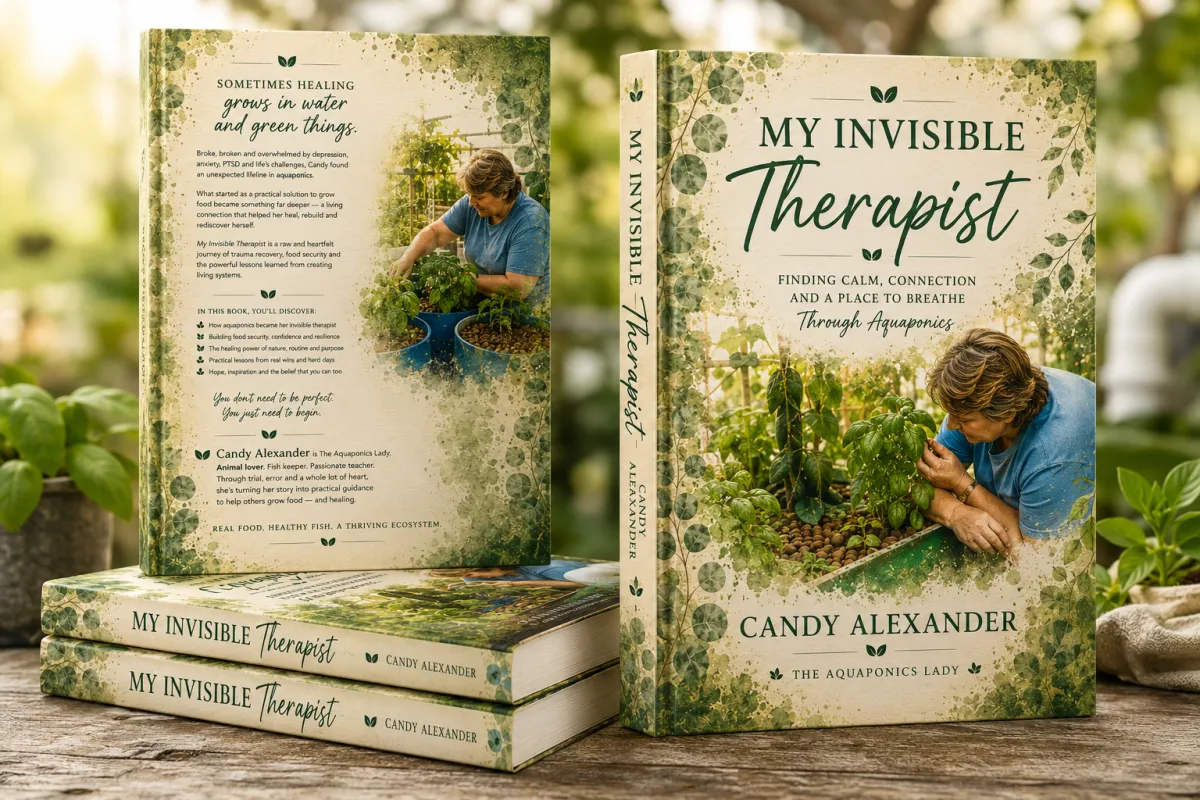
That story became My Invisible Therapist: Finding Calm, Connection and a Place to Breathe Through Aquaponics.
It's a personal story about trauma, recovery, growing food and the unexpected lessons I found while caring for living systems.
Not a promise that aquaponics will do for you what it did for me.
Simply the story of what it became for me.
Connection Doesn't Require Acres of Garden
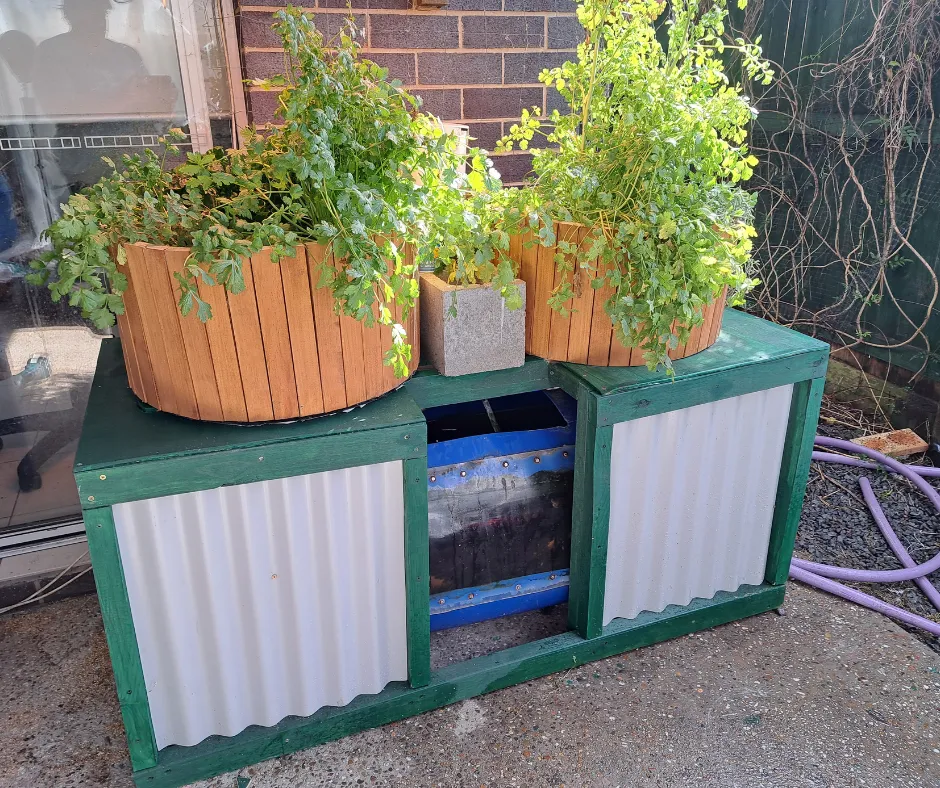
One of the things I love about aquaponics is that this connection doesn't have to begin with a huge backyard.
A small aquaponics system can still give you fish to watch, plants to tend, water to listen to and something living to care for.
It might be in a courtyard.
Beside a patio.
In a small backyard.
Or even begin with an aquarium and a few plants.
Growing food doesn't have to wait until you have the perfect property, the perfect garden or the perfect life.
Sometimes it begins with one small living thing that gives you a reason to stop and notice it.
Your Garden Doesn't Have to Give You What Mine Gives Me
Your experience doesn't have to look like mine.
You might love the practical challenge of building an aquaponics system.
You might become fascinated by the fish.
You might discover that growing your own vegetables gives you an enormous sense of satisfaction.
You might love sitting beside the water.
Or you might simply enjoy walking outside and finding something new has grown.
There doesn't have to be a profound lesson every time you step into a garden.
Sometimes tending something living is enough.
For me, aquaponics became a place where I could grow food, care for fish, learn, create, solve problems and reconnect with myself.
It became a place to breathe.
And that is what Garden Therapy means to me.
Where Would You Like to Go Next?
If aquaponics is new to you, you can start by learning how this remarkable little ecosystem works.
And if you're here because the deeper story resonated with you, you can read more about the journey that eventually became My Invisible Therapist
Copyright 2026 | Candy The Aquaponics Lady | All Rights Reserved Email: [email protected]
Youtube
Facebook
Instagram
LinkedIn
TikTok