





Design Your Own Aquaponics System
Learn the Principles. Build the System That's Right for You.
Every backyard is different.
Every climate is different.
And every family has different ideas about what they'd actually like to grow.
So why should everyone build exactly the same aquaponics system?
This course is for people who want the freedom to create something that works for their home.
Instead of giving you one design to copy, I'll teach you the principles behind successful backyard aquaponics.
You'll explore different growing systems, filtration methods, plumbing options, materials, fish, plants and practical builds so you can understand what works — and why.
By the end, you won't simply know how to copy one of my systems.
You'll understand enough to confidently design your own.
Self-paced online learning
Practical demonstrations
Multiple system designs
Beginner-friendly explanations
Unlimited access
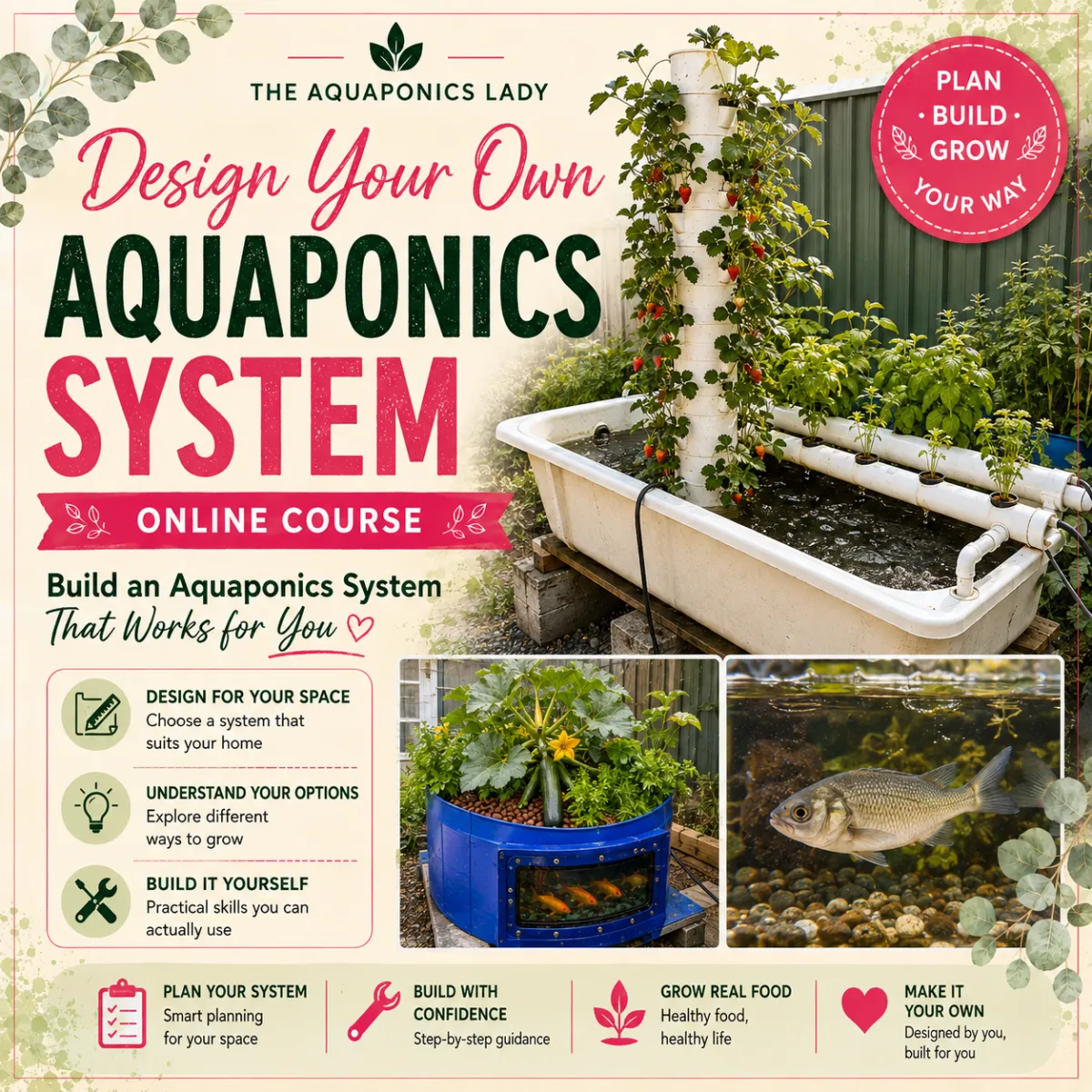
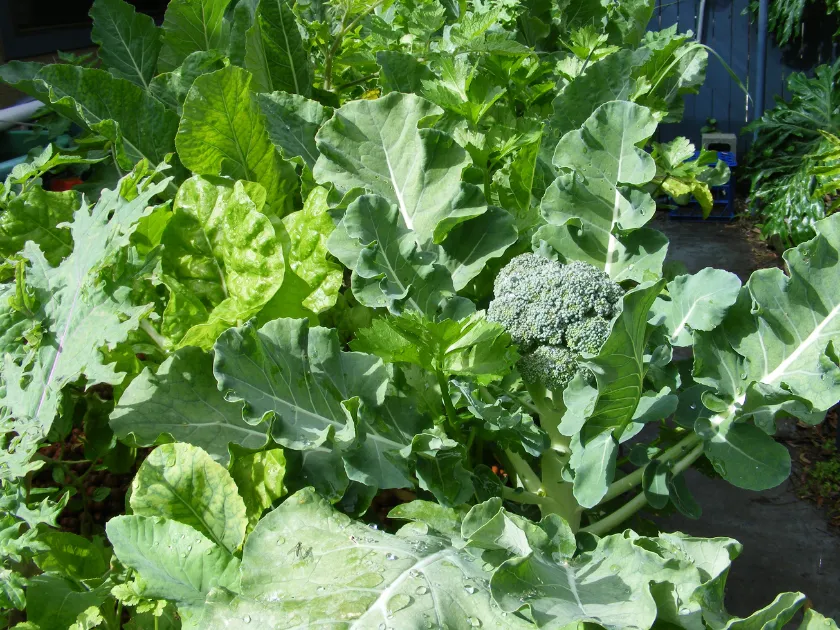
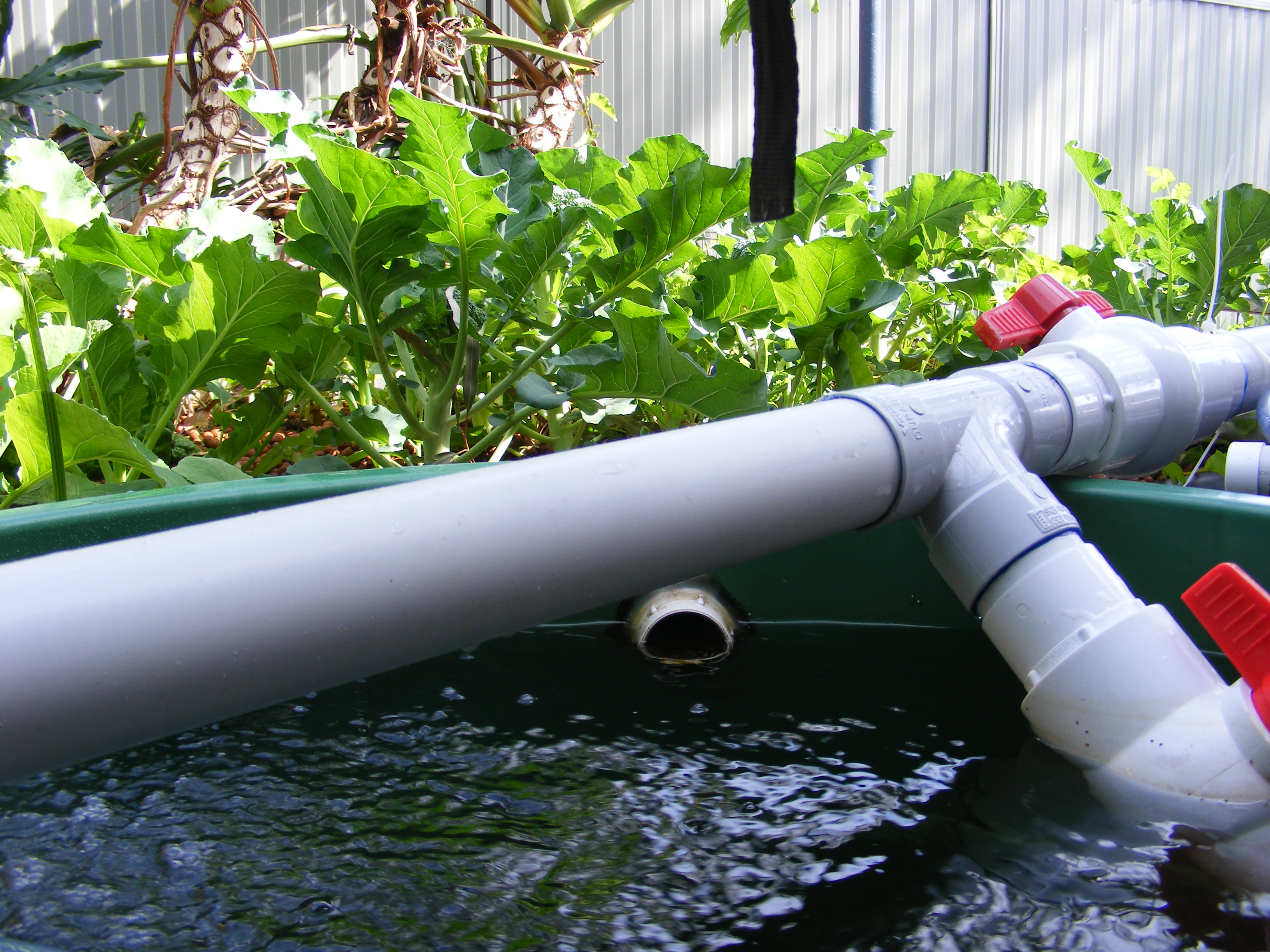
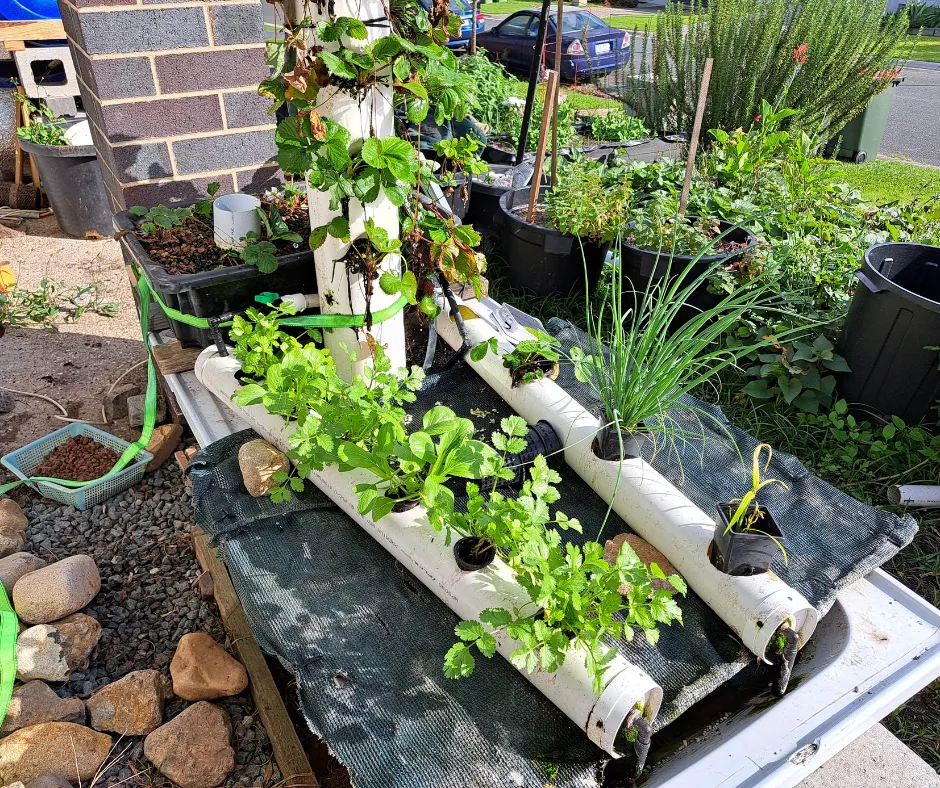
Your Aquaponics System Doesn't Have to Look Like Mine
One of the things I love about backyard aquaponics is that there isn't one perfect design.
You might have a narrow space beside the house.
A large backyard.
An unused corner of a patio.
An old bathtub, IBC or fish tank you'd like to reuse.
You might want ornamental fish rather than edible fish.
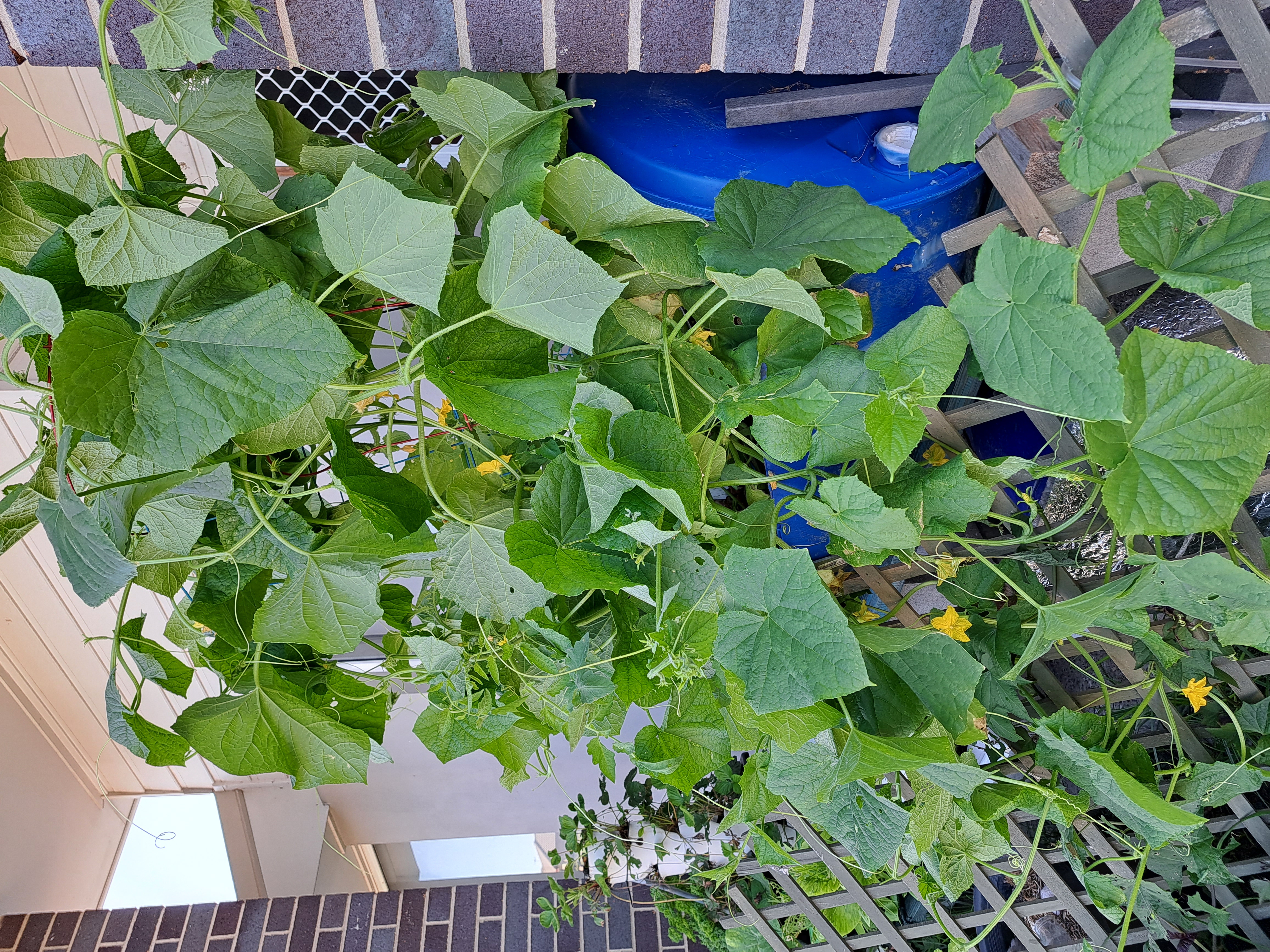
You might want leafy greens and herbs, while someone else dreams of tomatoes, cucumbers and zucchini.
All of those choices affect your design.
That's why this course doesn't teach you to build my aquaponics system.
It teaches you how to understand the principles behind successful aquaponics so you can make informed decisions about your own.
Because good aquaponics isn't about having the fanciest equipment.
It's about creating a healthy ecosystem that works for you.
Is Design Your Own Aquaponics Right for You?
You Like Doing Things Your Own Way
You don't want somebody else's backyard.
You want to understand enough to create an aquaponics system that works in yours.
You Want to Stop Guessing
You've found plenty of conflicting advice online and would rather understand the reasons behind the different options.
You Enjoy DIY
You don't mind measuring, drilling, plumbing and experimenting — or you're willing to learn enough to give it a go.
You Want to Understand Why
You don't just want instructions.
You want to know why something works so you can make your own decisions later.
Learn the Principles First. Build With Confidence Second.
Aquaponics can become overwhelming surprisingly quickly.
You start researching fish tanks.
Then someone mentions filtration.
Now you're comparing pumps.
Then plumbing sizes.
Then grow beds.
Then someone starts talking about pH, dissolved oxygen and the nitrogen cycle...
And suddenly the simple idea of growing vegetables with fish feels anything but simple.
This course has been designed differently.
We'll build your knowledge gradually, so you understand the fundamentals before you're expected to make important decisions about your own system.
You'll learn what each component does.
Why you might choose one design over another.
Where you can simplify.
Where you shouldn't cut corners.
And how all those individual choices eventually become one functioning ecosystem.
You don't need to know everything before you begin.
You just need to learn things in an order that makes sense.
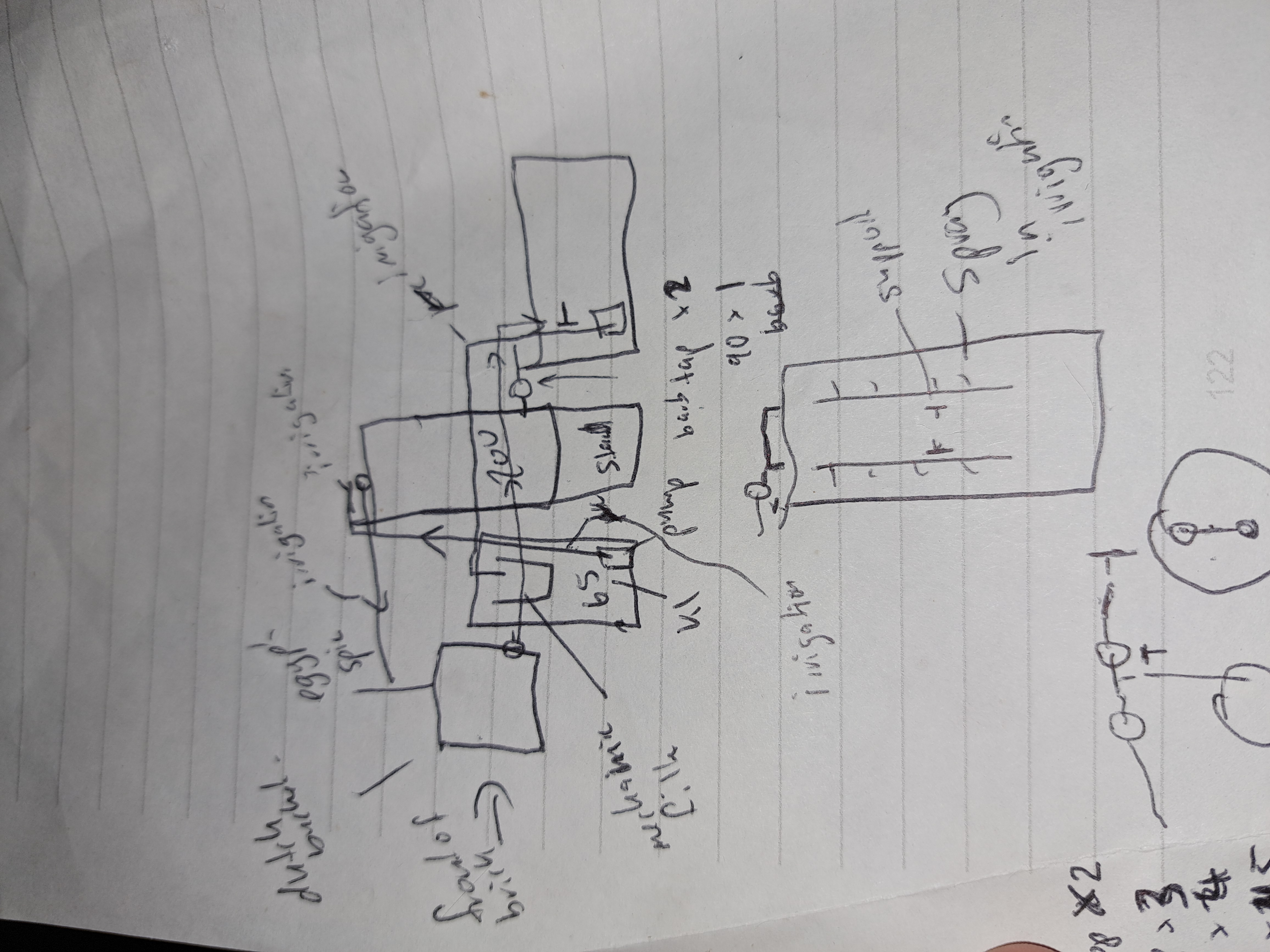
10 Modules to Help You Understand, Design and Build Your Own Aquaponics System
This course doesn't give you one aquaponics plan and ask you to copy it.
Across 10 modules, you'll build your understanding from the ground up — starting with how aquaponics works, then looking at your own space, climate and goals before moving into system designs, recycled materials, water quality, fish, vegetables and ongoing care.
You'll also watch me build three very different small-scale aquaponics systems step by step, so you can see how the same aquaponics principles can be applied using completely different materials and layouts.
By the end, the aim isn't for you to know how to build my system.
It's for you to understand enough to confidently design your own.
Module 1 — Introduction to Aquaponics
Start with the fundamentals and understand what you're actually creating before you begin buying equipment.
You'll explore:
How aquaponics works
Choosing a suitable location
Climate considerations
Basic system layouts
Planning before you build
Understanding potential running costs
Module 2 — Creating Your Ecosystem
Aquaponics works because fish, plants, bacteria and water all support one another.
You'll learn:
How the ecosystem fits together
Why filtration matters
Biological and mechanical filtration
Beneficial bacteria
Balancing the different parts of your system
What keeps an aquaponics system healthy
Module 3 — Your Climate & Your Family's Needs
There isn't one perfect aquaponics system because there isn't one perfect backyard.
You'll look at:
Your available space
Your climate
What your family actually eats
Whether you want edible or ornamental fish
Materials available to you
How much food you'd like to grow
Designing around your own priorities
Module 4 — Aquaponics Design Types
Now you'll compare the different ways plants can be grown within aquaponics.
You'll explore:
Media grow beds
NFT — Nutrient Film Technique
DWC — Deep Water Culture
Towers
Aeroponics
Fish tanks and essential components
Different plumbing approaches
Choosing a suitable water pump
Rather than being told which design is “best”, you'll learn why each one exists and where it can work well.
Module 5 — Recycled & Repurposed Materials
Aquaponics doesn't have to begin with a brand-new shopping list.
You'll learn:
What types of materials can be reused
What to check before using second-hand components
How to clean recycled materials safely
Reusing drums and piping
Repairing and adapting components
Where recycling can save money
When buying new is the better choice
Module 6 — Water Quality & Getting the Balance Right
Water quality tells you what is happening inside your ecosystem.
You'll learn about:
Cycling your system
Ammonia, nitrite and nitrate
pH and why it changes
Carbonate hardness — KH
Iron
Oxygen
Filtration
Plant numbers and system balance
Module 7 — Your Fish
Fish are much more than the fertiliser source for your vegetables.
You'll learn:
Choosing fish suited to your system and climate
Fish numbers for smaller systems
Where to source fish
Introducing fish safely
Feeding
Recognising normal behaviour
Module 8 — Your Vegetables
Design your system around food you'll actually enjoy growing and eating.
You'll learn:
Choosing suitable vegetables
Starting with seeds or seedlings
Adding plants to your system
Seasonal growing
Micronutrients
Module 9 — Caring for Your Aquaponics System
Building the system is only the beginning.
You'll learn:
Feeding your fish
Cleaning your system
Essential water testing
Routine checks
Ongoing maintenance
Recognising changes early
Keeping the ecosystem healthy over time
Module 10 — Three Complete Aquaponics Builds
See Three Different Systems Built Step by Step
This is where everything you've learnt starts coming together.
Instead of showing you one carefully staged aquaponics system and asking you to reproduce it, you'll watch me build three very different small-scale systems.
You'll see how the design changes depending on the materials available, the growing method being used and the problem I'm trying to solve.
Build 1 — A Low-Cost Aeroponics Aquaponics System
Watch a simple aeroponics system come together from beginning to end.
You'll see:
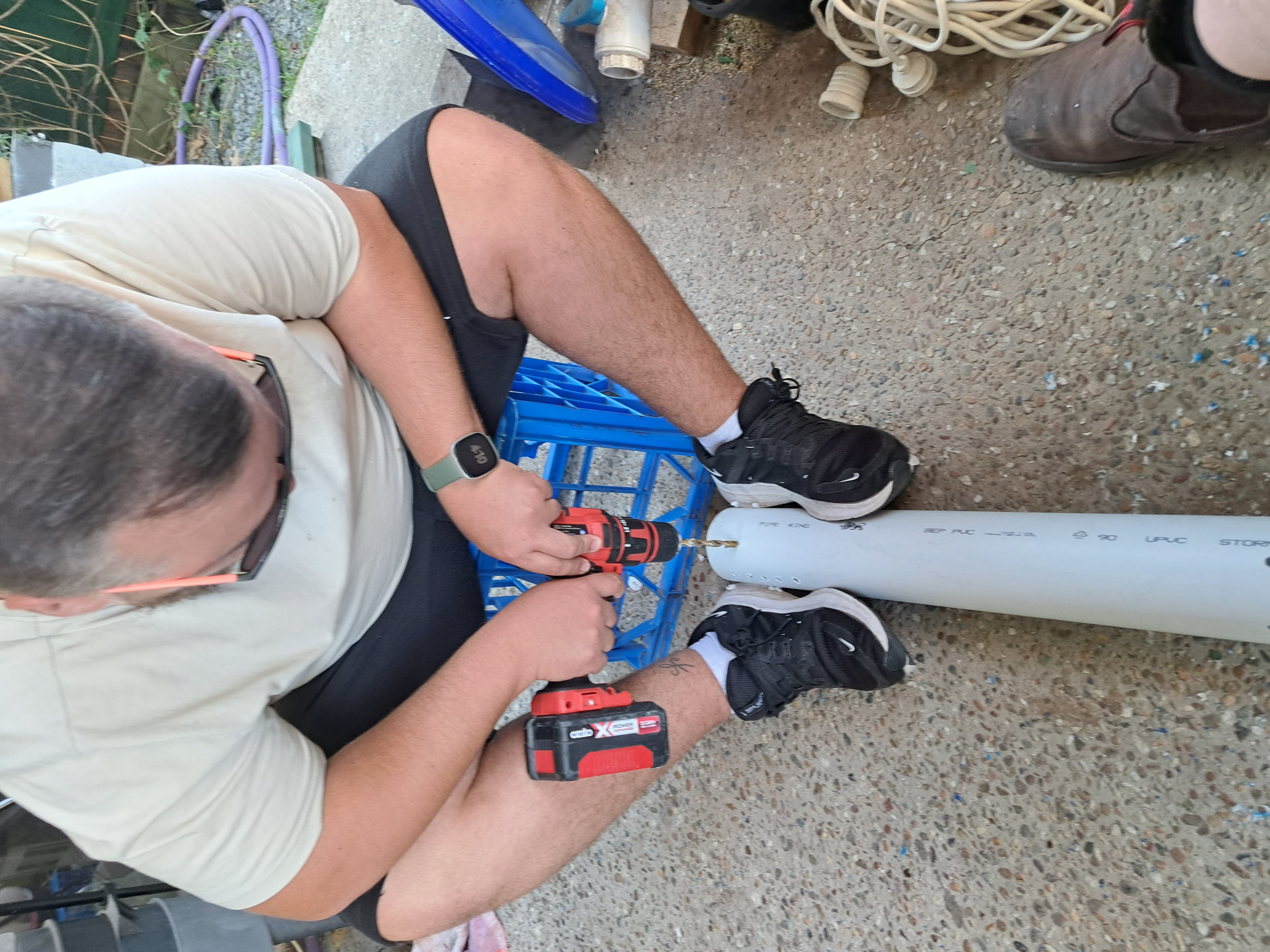
Cutting and preparing components
Filtration
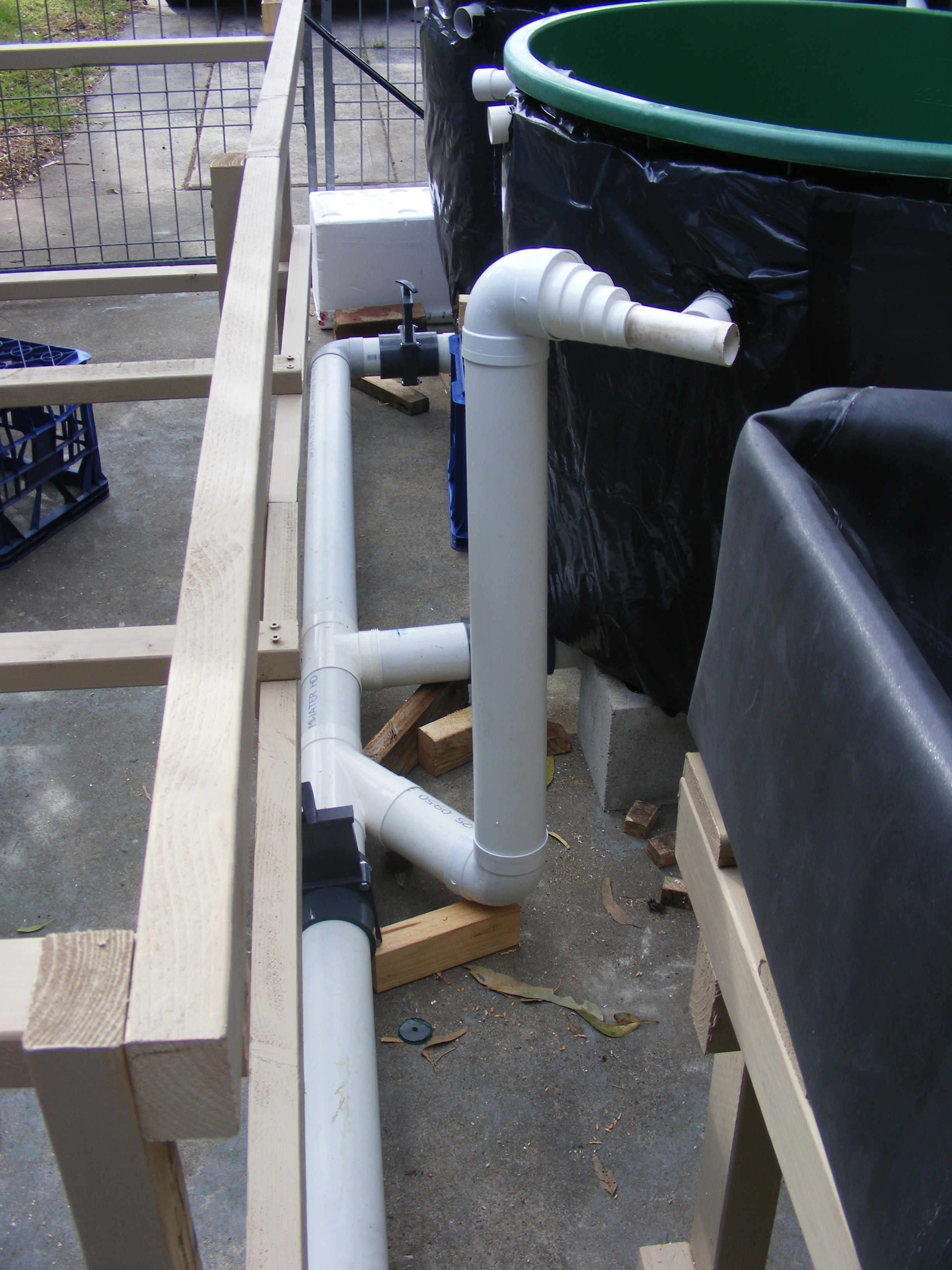
Plumbing
Pumps and water movement
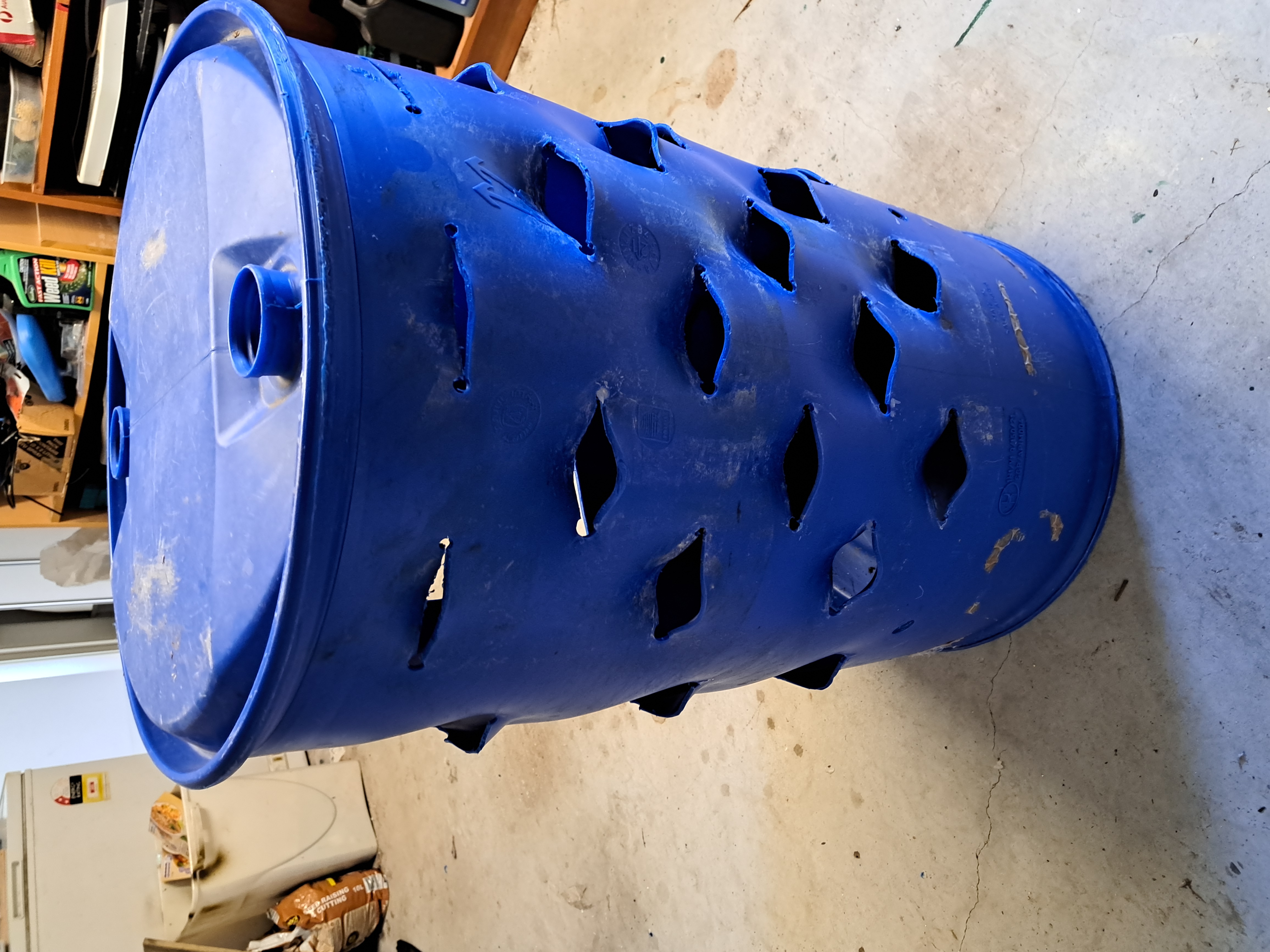
Moulding and adapting materials
Changes to the original layout — and why I changed it
This isn't about creating a perfect display system.
It's about showing how the principles can be adapted to what you have available.
Build 2 — A Fully Recycled Grow-Bed Aquaponics System
For this build, you'll watch me repair and reuse components to create a more conventional grow-bed system.
You'll see:
Recycled components being assessed
Parts repaired and reused
Grow-bed construction
Plumbing
Cleaning and preparing materials
How existing pieces can be adapted instead of replaced
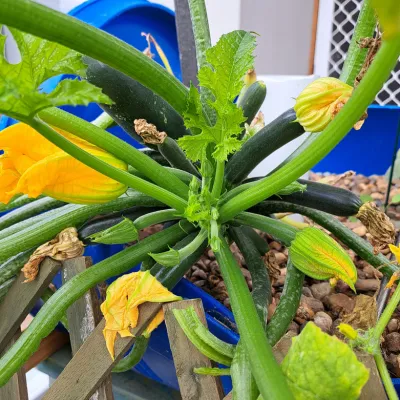
Build 3 — The Scavenged “Bitsa” Aquaponics System
This build started with a challenge:
Build an aquaponics system from the things already sitting around my garage.
So that's exactly what I did.
The finished system uses a mixture of scavenged and repurposed materials, including:
A bathtub
Different sizes of PVC pipe
Irrigation plumbing
A recycled hydroponics tub
Gravel
A PVC garden tower I built
Whatever useful pieces I could make work
It's a genuine “bit of this, bit of that” aquaponics system — and it demonstrates something important:
Once you understand the principles, your materials don't have to come from somebody else's shopping list.
You're Not Just Learning How to Build One System
Understanding the theory is useful.
Seeing it applied to real aquaponics systems is even better.
Throughout the course you'll see practical demonstrations, different construction techniques and real systems being built using different materials and layouts.
Some are conventional.
Some use recycled materials.
Some began with whatever I happened to have available.
And sometimes a plan changes halfway through because there's a better way to do something.
That's useful too.
Because when you're designing your own system, things won't always go exactly according to the original sketch.
The important part is understanding the principles well enough to adapt.
By watching different systems come together, you'll begin recognising what stays the same even when the materials and layouts change.
That's the knowledge you'll eventually take into your own backyard.
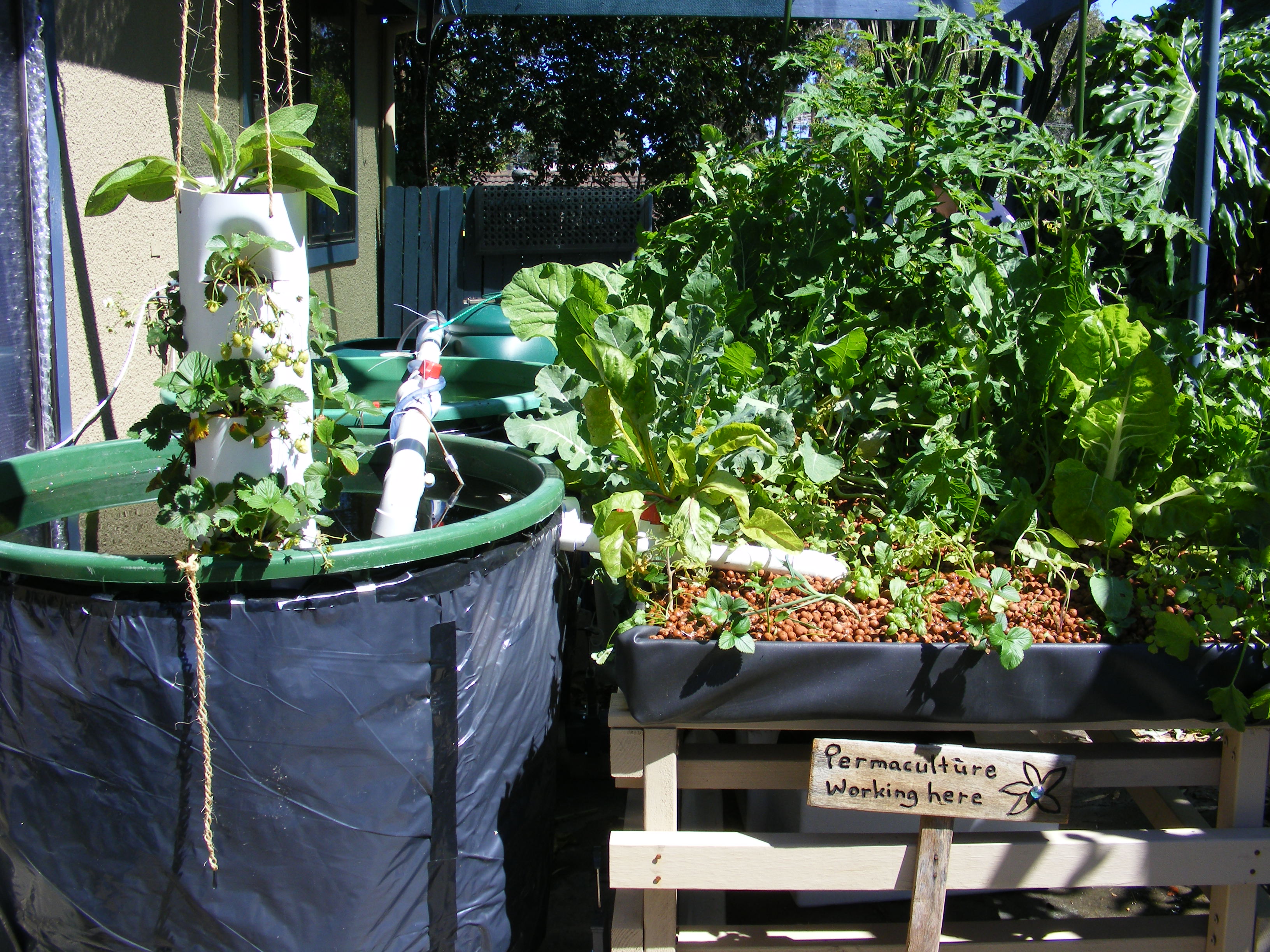
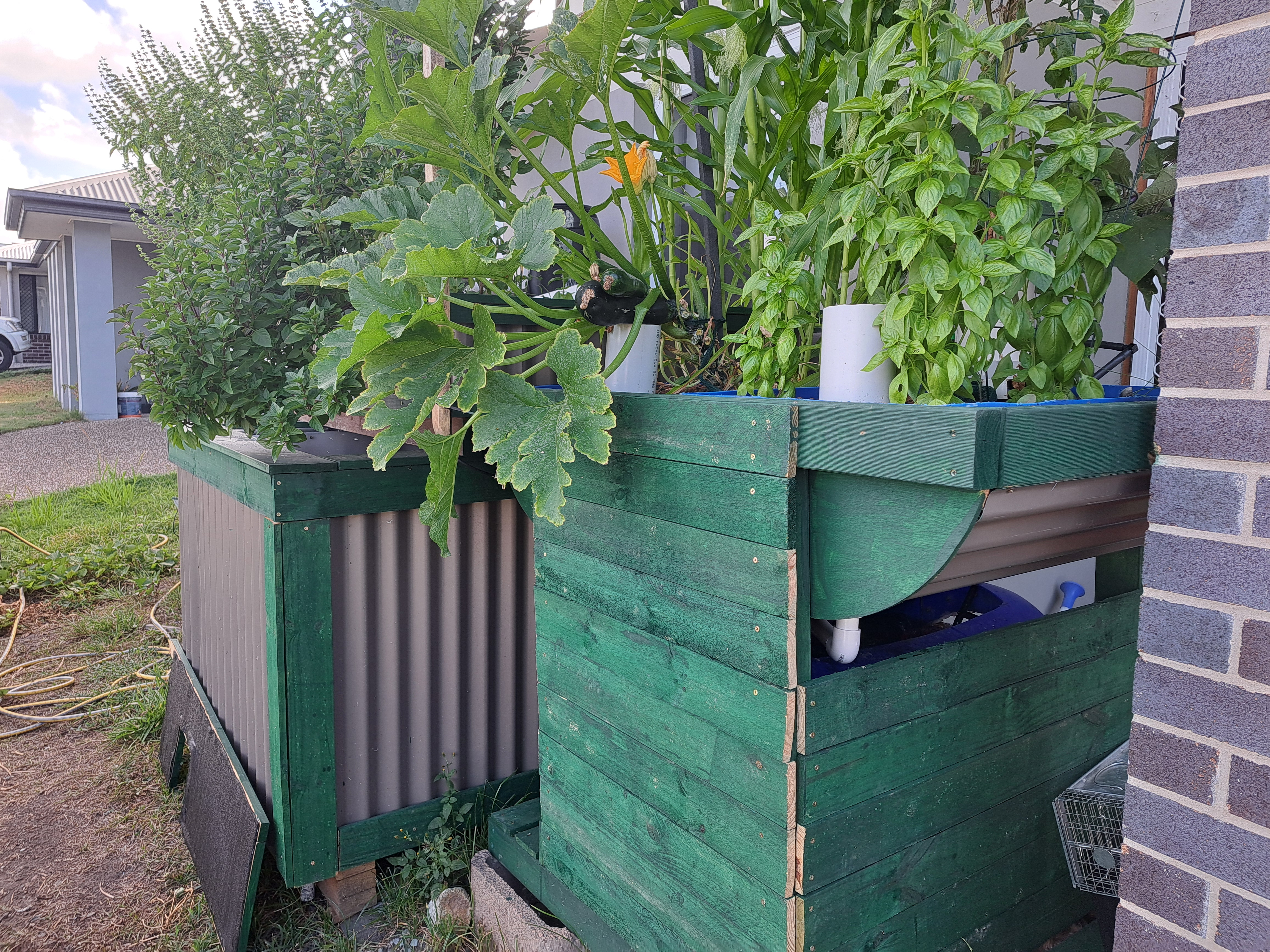
Good Aquaponics Doesn't Have to Mean Expensive Aquaponics
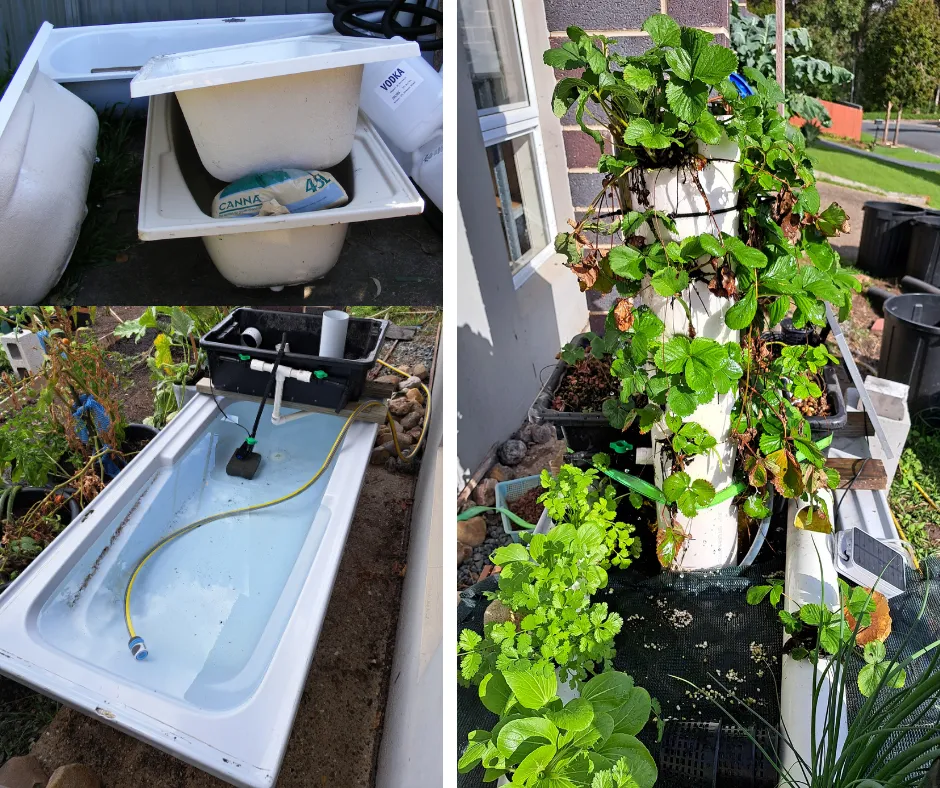
I've always loved seeing potential in things other people might throw away.
Old fish tanks.
IBC containers.
PVC pipe.
Bathtubs.
Second-hand timber.
Bits and pieces left from other projects.
Not everything should be reused, of course. Some materials simply aren't suitable for an aquaponics system.
But when you understand what you're looking for, recycling and repurposing can open up all sorts of possibilities.
That's another reason I prefer teaching the principles rather than one shopping list.
You can look at something you already have and ask:
Could I safely make this work?
Sometimes the answer will be no.
Sometimes it will become the beginning of a completely unique aquaponics system.
A Little More Help Along the Way
Designing and building your system is only part of learning aquaponics.
Once the water is flowing, you'll naturally have new questions.
What's happening in my water?
Are my fish healthy?
How do I use this tool without making a complete mess of it?
That's why your Design Your Own Aquaponics course also includes two additional courses/workshops to help you along the way.
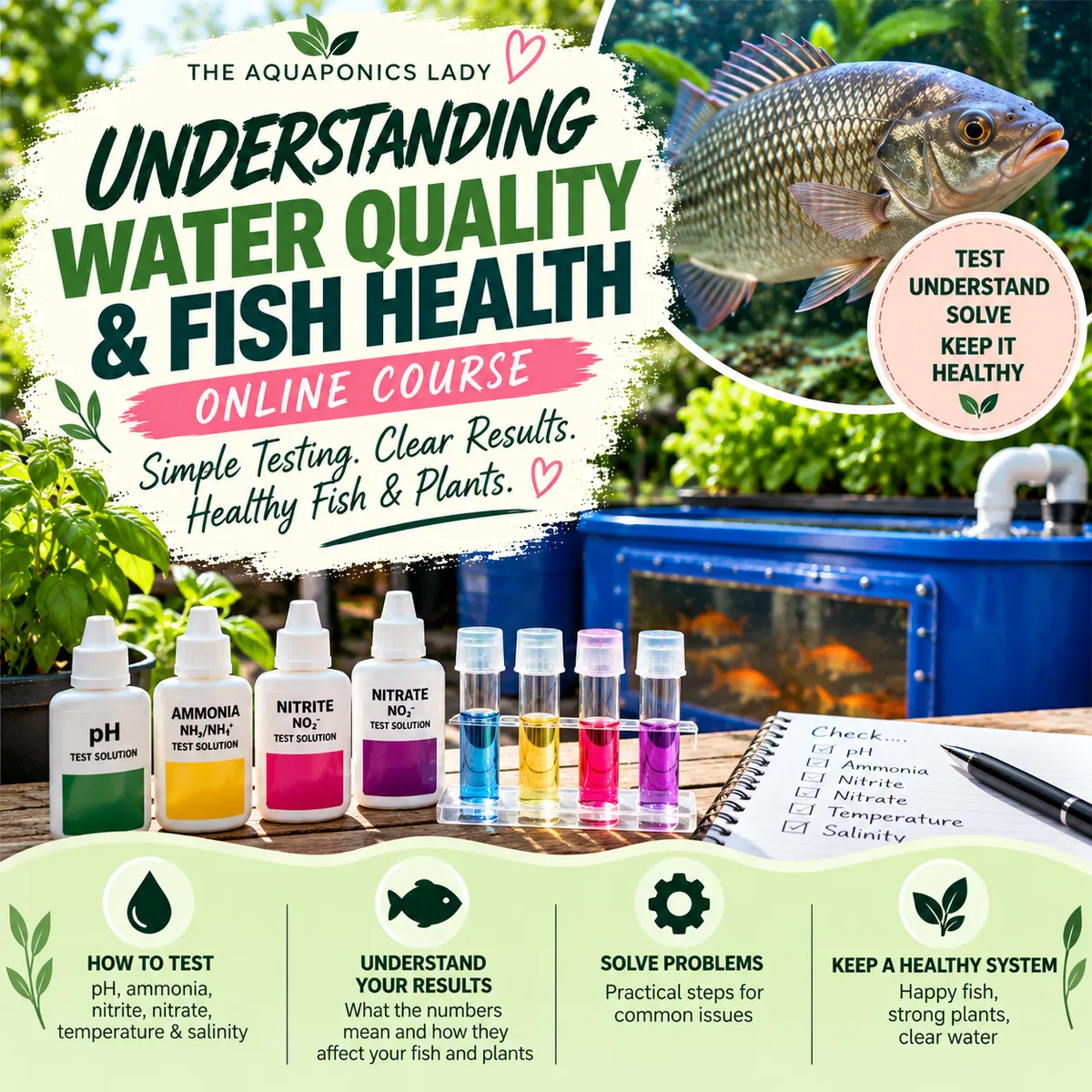
Understanding Water Quality & Fish Health
Healthy fish and healthy plants both depend on healthy water.
This companion course helps you understand your water test results, recognise how water quality changes over time and identify common fish health problems.
Rather than simply memorising numbers, you'll learn what those results mean for your whole ecosystem.
Included with Design Your Own Aquaponics
Using Common Tools With Confidence
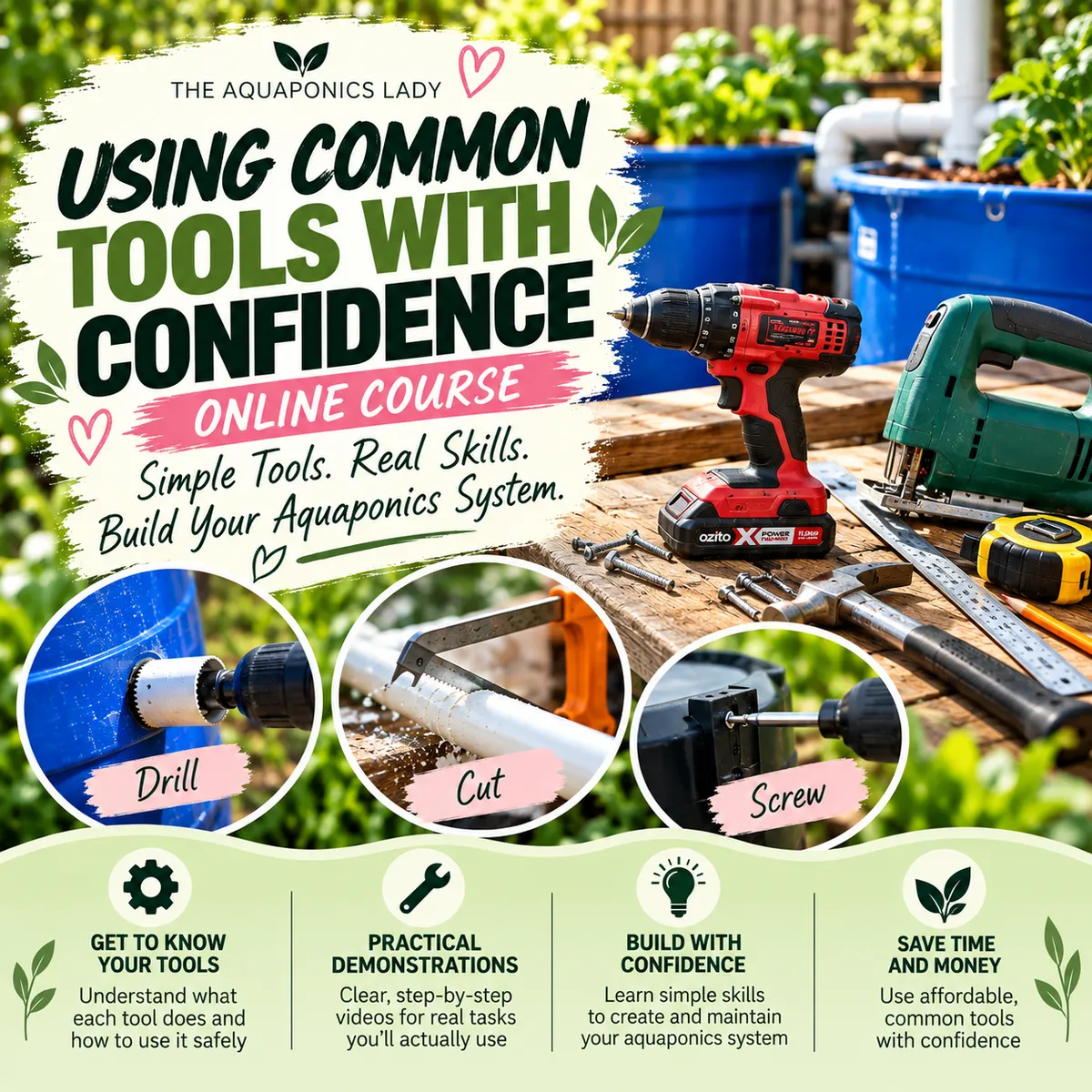
Not everyone grows up knowing how to use power tools.
If you've never used a drill, jigsaw, hole saw or heat gun before, that's okay.
This practical workshop introduces the common tools used during aquaponics builds, what they're for and how they're used.
You don't need to become a DIY expert.
You just need enough confidence to get started.
Included with Design Your Own Aquaponics
Would You Like to Add a Little More?
You don't need either of these to design, build or successfully run your aquaponics system.
They're simply additional tools and workshops I've created that you might find useful.
If you'd like either of them, you can add them when you enrol.
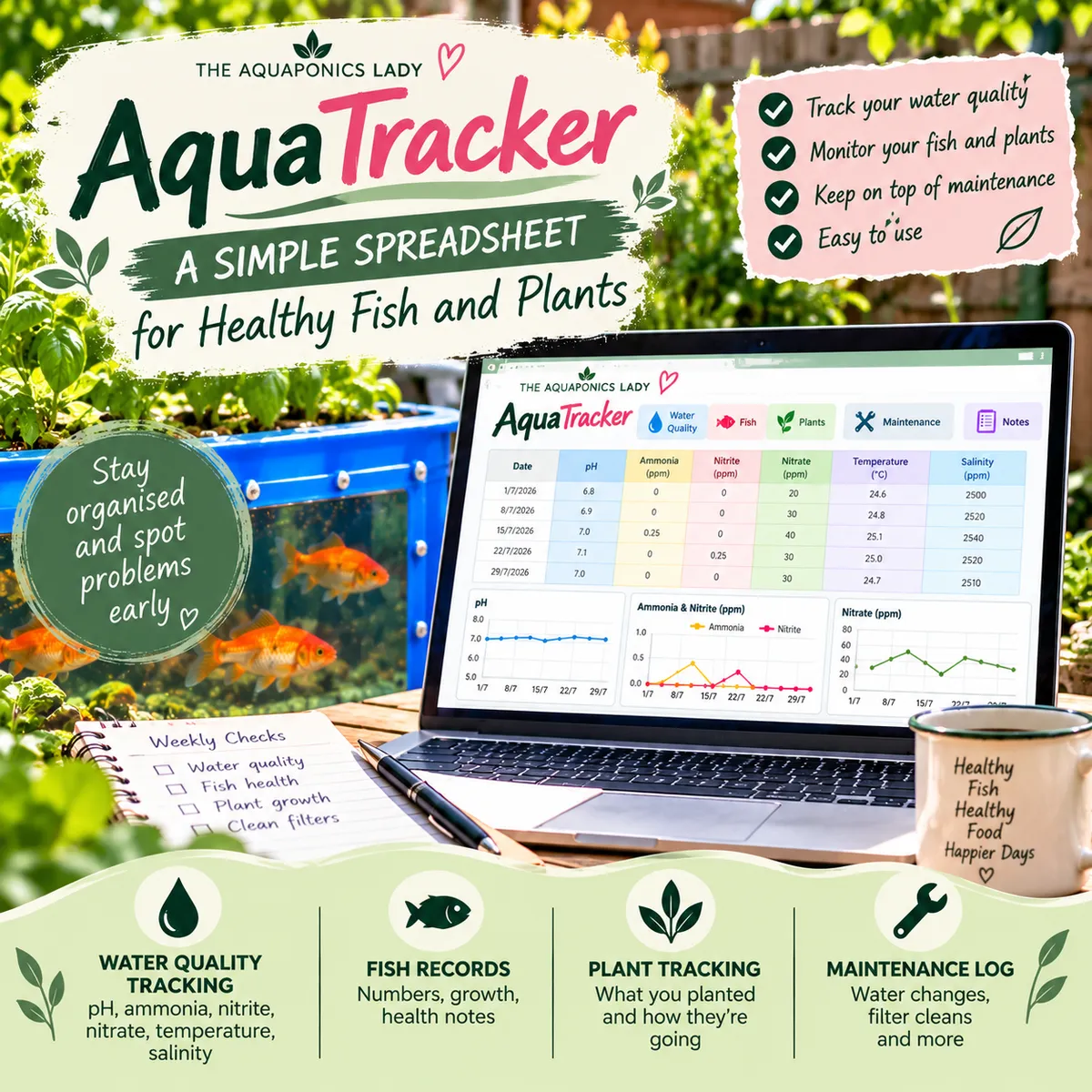
AquaTracker — $7 USD
Keeping records makes it much easier to understand what is happening in your water over time.
AquaTracker is a colour-coded spreadsheet where you can record your water test results, follow changes and quickly see whether your readings are sitting within recommended ranges.
Instead of trying to remember what your pH or nitrate was last week, you'll have everything together in one place.
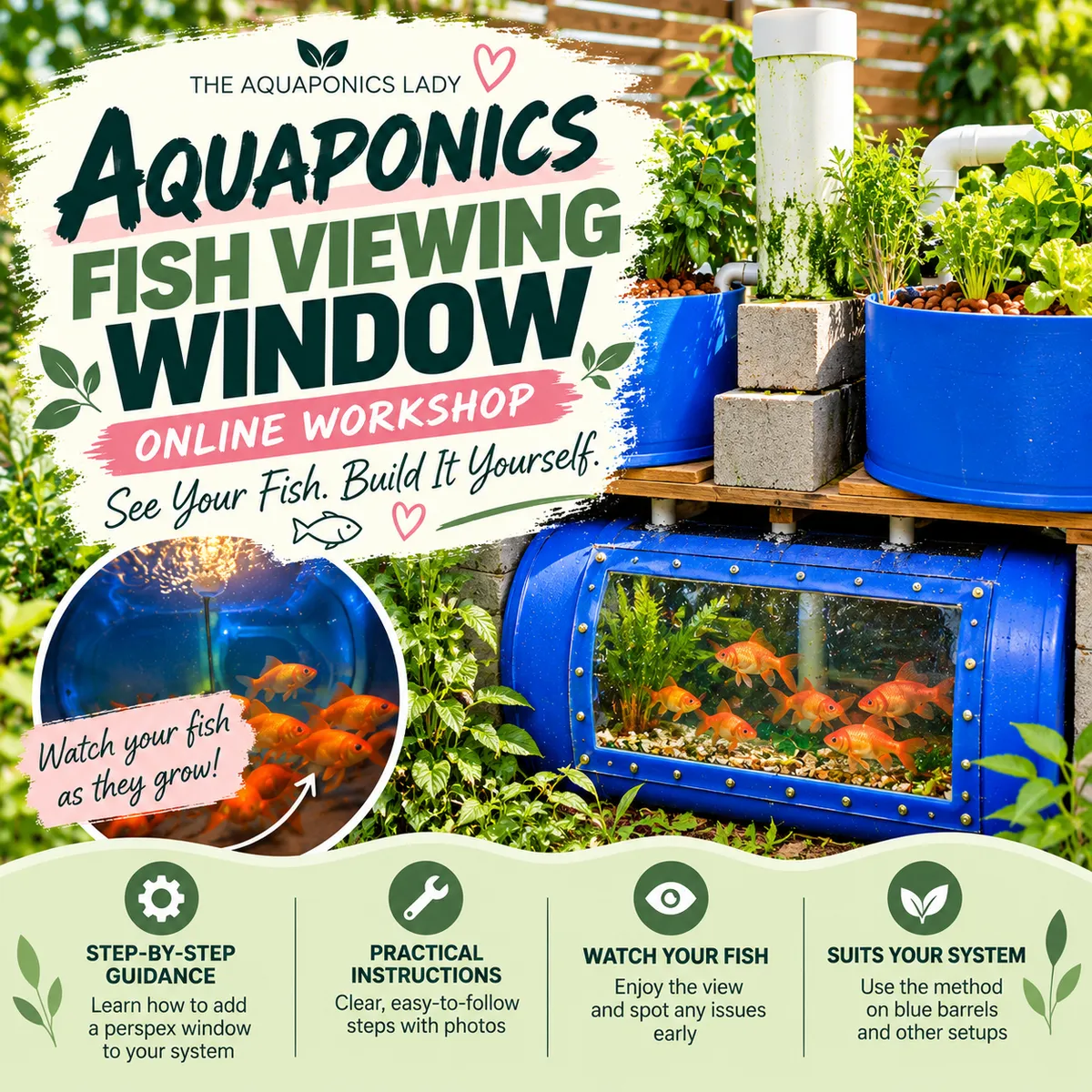
Aquaponics Fish Viewing Window Workshop — $27 USD
Want to actually see what's happening beneath the water?
This workshop shows you two ways to add a clear viewing window to an IBC or drum, with practical demonstrations of how I install them and the mistakes to avoid.
Apart from making it easier to check your fish, there's something incredibly relaxing about being able to stop beside your aquaponics system and watch them swimming.
I Don't Want You to Need Me Forever
When I first discovered aquaponics, I did what most beginners do.
I read articles.
Watched videos.
Listened to everyone's opinions.
And somehow the more I learnt, the more confusing everything became.
Then my first system failed.
I didn't give up, but I did realise something important.
I didn't know what I didn't know.
That experience eventually led me to formally study aquatic husbandry while continuing to build, test and improve my own backyard aquaponics systems.
Over time, the pieces started fitting together.
Not because I'd finally discovered the perfect aquaponics design.
Because I understood the principles behind it.
That's what I want for you.
I don't want you wondering what I'd do every time something changes.
I want you to gradually look at your own system and think:
I know what's happening here.
Because to me, that's what good teaching should do.
From Other Aquaponics Beginners
Ready to Design an Aquaponics System That's Right for You?
You don't need to have your entire system planned before you begin.
That's what the course is for.
We'll start with the principles behind successful aquaponics and gradually work through the choices that shape your own system.
Your space.
Your climate.
Your fish.
Your vegetables.
Your materials.
Your goals.
By the time you're ready to build, you won't simply be following somebody else's instructions.
You'll understand why you're making each decision.
Design Your Own Aquaponics System Course
$197 USD
Design around your own space and needs
Stop relying on conflicting online advice
Understand why different aquaponics designs work
Learn to safely reuse and repurpose suitable materials
Grow vegetables your household actually wants
Build confidence to adapt and troubleshoot your own system
Included in your Course
Complete Design Your Own Aquaponics course
Multiple practical system builds
System design and planning
Filtration, pumps and plumbing
Fish, vegetables & ongoing system care
Water Quality & Fish Health course
Using Common Tools workshop
Instant Access | Self-paced online learning | Unlimited access
Design Your Own Aquaponics System FAQs
Is this course suitable for complete beginners?
Yes. You don't need previous aquaponics experience.
The course builds your understanding gradually, beginning with the principles behind aquaponics before moving into the decisions involved in designing and building your own system.
Do I need to build the same aquaponics system you build?
No.
That's really the point of this course.
You'll see different systems and practical builds throughout the course, but they're there to help you understand how the principles can be applied in different situations.
Your own system can be designed around your space, needs and goals.
Do I need DIY experience?
Some confidence with DIY will certainly help, but you don't need to know how to use every tool before you begin.
The Using Common Tools With Confidence workshop is included with your course and introduces the common tools you'll encounter during a backyard aquaponics build.
Will I need expensive equipment?
Not necessarily.
You'll learn about different materials, equipment and approaches so you can make decisions based on your own system rather than assuming the most expensive option is the best one.
Can I use recycled materials?
Yes, where they're safe and suitable for aquaponics.
Recycling and repurposing are a big part of how I approach DIY aquaponics, and you'll see examples throughout the course.
Do I have to keep edible fish?
No.
Your fish should suit your system, climate and what you actually want from aquaponics.
For many backyard growers, ornamental fish are a perfectly good choice.
How long do I have access?
You have unlimited access, so you can work through the lessons at your own pace and return whenever you need to refresh something.
Is the course self-paced?
Yes.
You can work through the course when it suits you rather than having to attend lessons at particular times.
Are AquaTracker and the Fish Viewing Window Workshop included?
No. They're optional extras.
AquaTracker can be added for $7 USD and the Aquaponics Fish Viewing Window Workshop for $27 USD when you enrol.
Build Something That's Yours
Your aquaponics system doesn't need to look like mine.
It doesn't need to look like something you've seen on YouTube.
And it certainly doesn't need to be the biggest or most complicated system you can fit into your backyard.
It needs to work for you.
Learn the principles.
Explore the possibilities.
Then use that knowledge to create an aquaponics system that suits your home, your family and the food you'd actually love to grow.
Design Your Own Aquaponics System — $197 USD
Self-paced • Online • Unlimited access
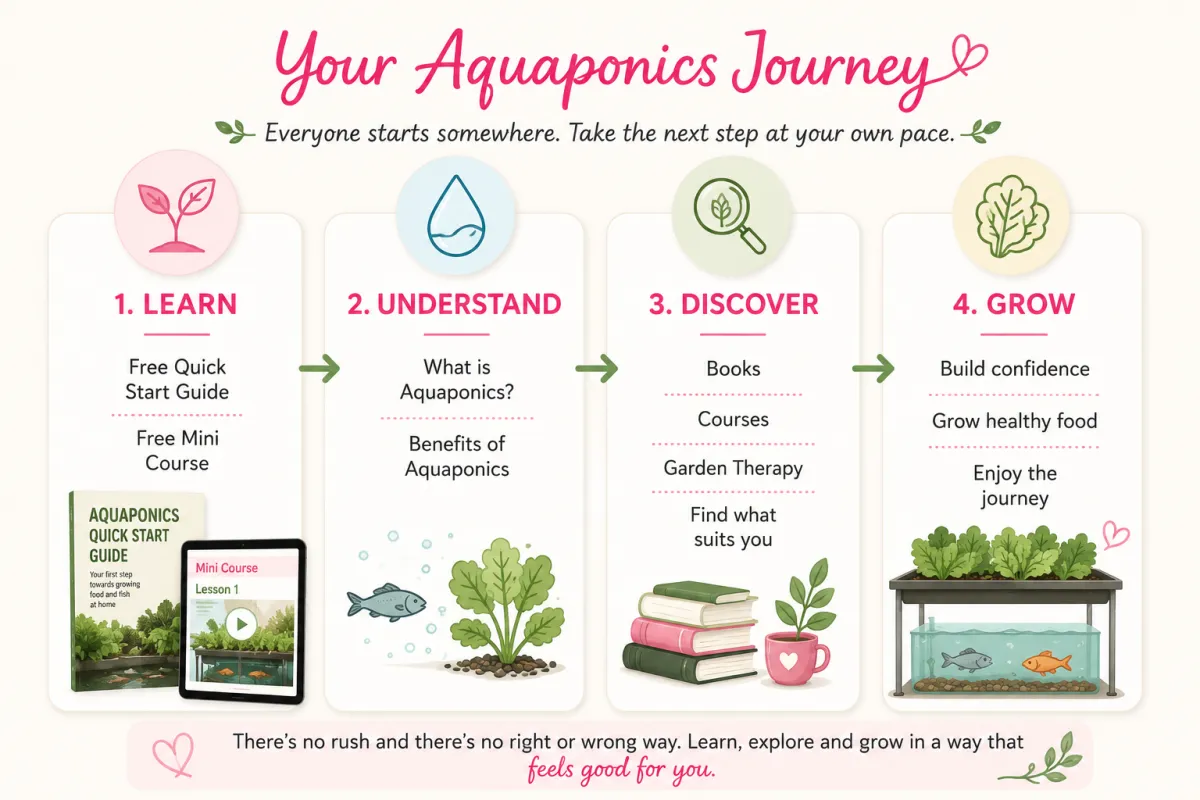
Continue Learning
Not quite ready to design your own system? That's okay. You can keep exploring aquaponics at your own pace.
Copyright 2026 | Candy The Aquaponics Lady | All Rights Reserved Email: [email protected]
Youtube
Facebook
Instagram
LinkedIn
TikTok