





DIGITAL BOOK | A BEGINNER'S GUIDE TO AQUAPONICS
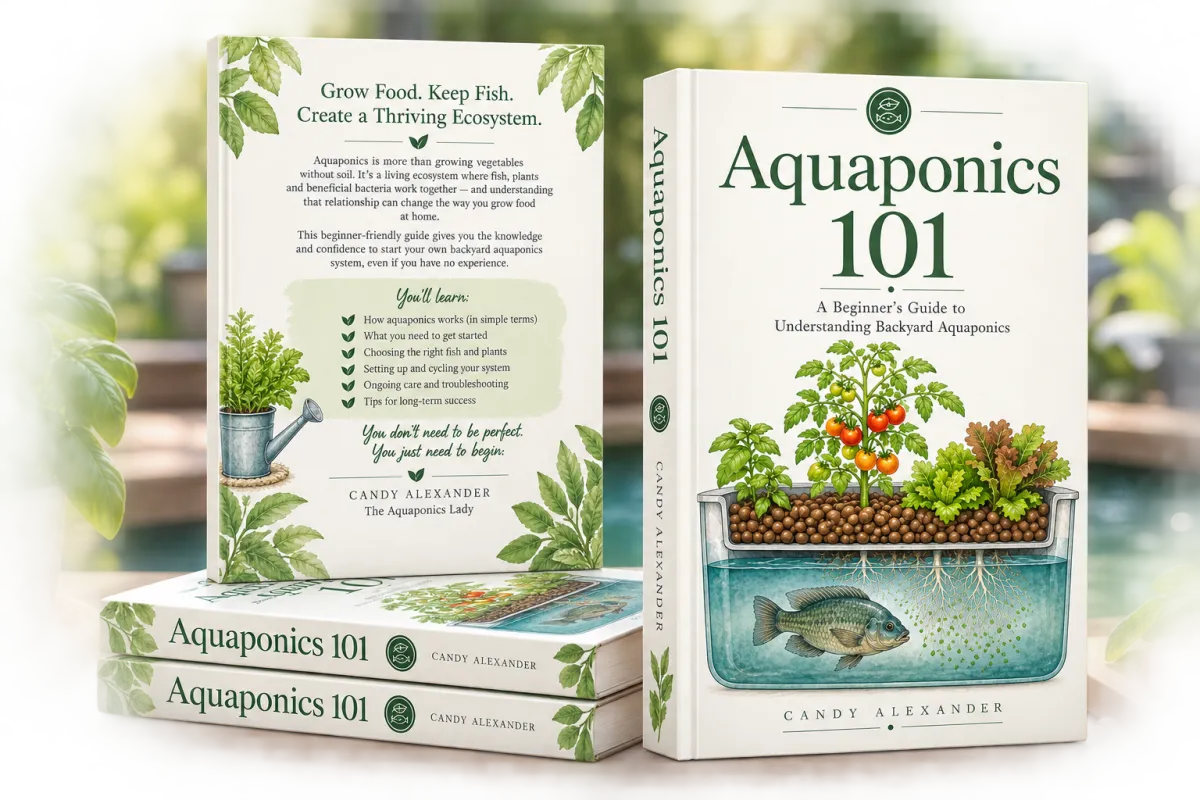
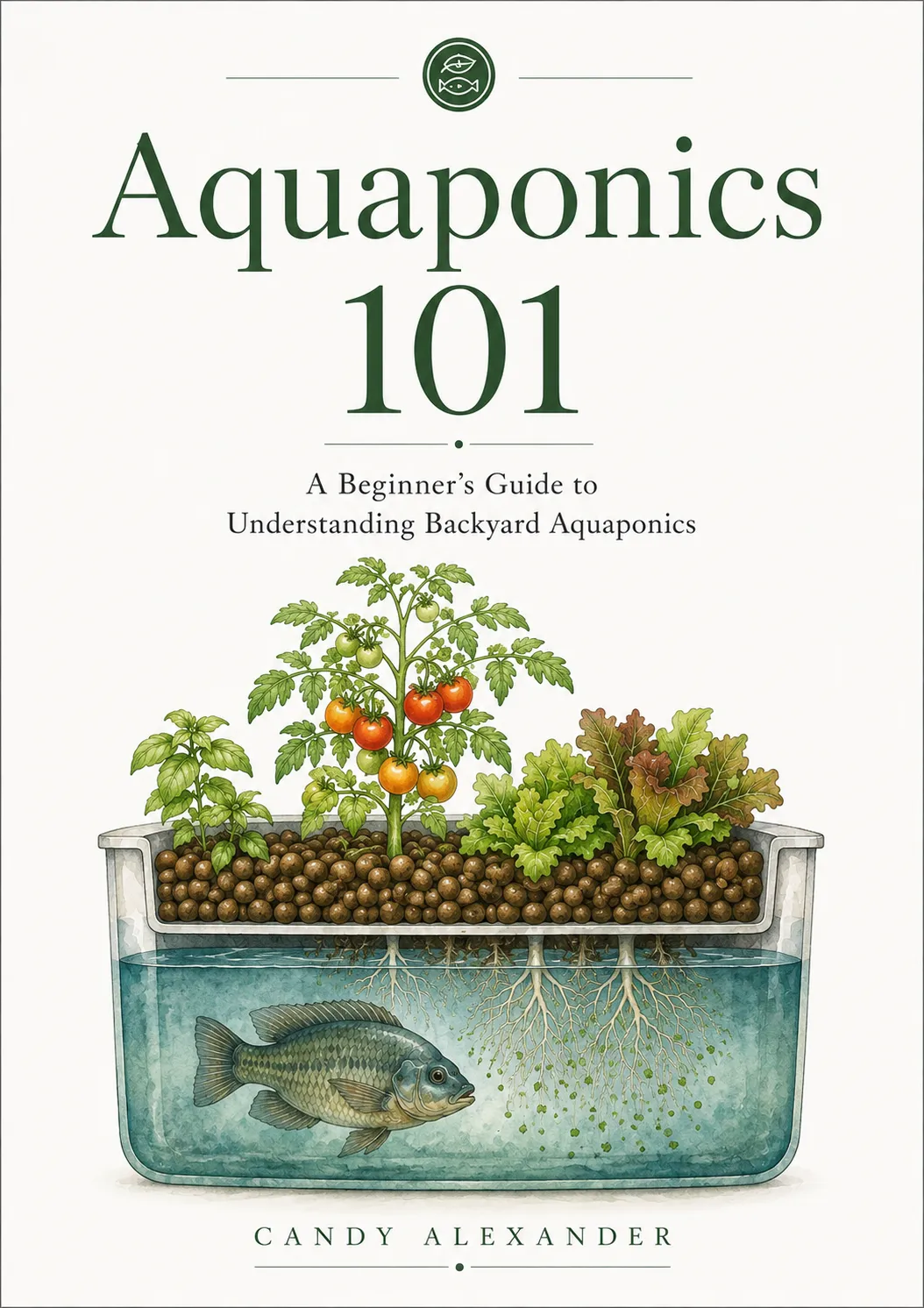
Aquaponics 101
A Beginner's Guide to Understanding Backyard Aquaponics
Interested in aquaponics, but not quite sure where to begin?
Maybe you've seen fish tanks connected to vegetable grow beds. Maybe you love the idea of growing fresh food at home. Or perhaps you've started researching aquaponics and suddenly found yourself surrounded by pumps, plumbing, water tests, bacteria, fish species and system designs.
Aquaponics 101 was written to make the beginning easier.
Straight off the bat, this isn't a 'normal' Aquaponics 101 book.
It's a conversation.
Rather than throwing technical information, industry jargon and complicated explanations at you, I break aquaponics down the way I'd explain it if we were sitting together talking about your first system.
The aim isn't for you to memorise aquaponics.
It's for you to understand the fundamentals well enough that the fish, plants, bacteria, water and equipment begin to make sense together.
This practical beginner's guide takes you through the foundations of aquaponics — how the ecosystem works, what equipment you actually need, how fish and plants work together, what happens when you first start a system and how to care for it once it's running.
You don't need to become an aquaponics expert before you begin.
You just need to understand enough to take your first step with confidence.
Digital Book · $7 USD · Instant Access
Learning Aquaponics Doesn't Have to Feel Complicated
When you're new to aquaponics, it can seem as though there is an enormous amount to learn.
Fish need healthy water. Plants need nutrients. Beneficial bacteria need somewhere to live.
Pumps move water. Filters remove waste. Water needs oxygen. Then there are grow beds, pipes, test kits, feeding, cycling and all those numbers people tell you to monitor.
But underneath all that equipment is a surprisingly simple idea.
Aquaponics is a living ecosystem.
Once you understand how the different parts work together, the equipment begins to make sense. Water quality begins to make sense. And caring for your fish and plants becomes much less intimidating.
That's what Aquaponics 101 is designed to help you understand.
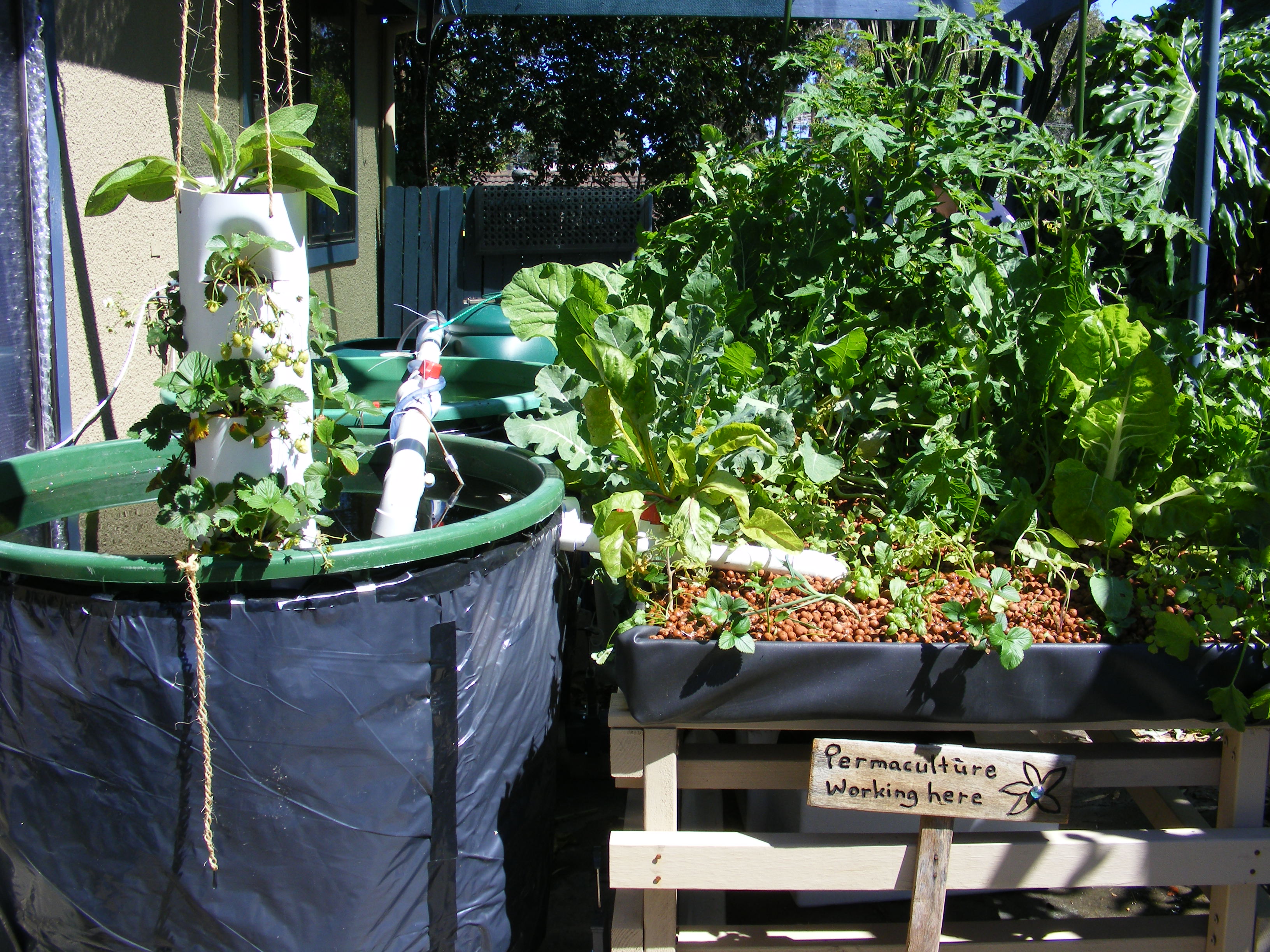
Fish. Bacteria. Plants. One Living Ecosystem.
At the heart of every aquaponics system are three living parts working together.
Fish produce waste containing nutrients.
Beneficial bacteria transform that waste into nutrients plants can use.
Plants absorb those nutrients as food, helping clean the water before it returns to the fish.
Then the cycle begins again.
Understanding this relationship is one of the most important things you can learn as a beginner, because almost everything else in aquaponics comes back to maintaining the balance between these living parts.
Aquaponics 101 teaches you to look beyond the tanks and pipes and begin understanding the ecosystem you're actually caring for.
Is Backyard Aquaponics Right for You?
Aquaponics can be an incredibly rewarding way to grow food — but it isn't the right choice for everyone.
Before you start buying tanks and pumps, Aquaponics 101 helps you look realistically at what an aquaponics system needs and whether it fits your home, lifestyle and goals.
You'll explore:
How much ongoing time an aquaponics system requires
Realistic cost expectations
How much space you have available
The patience needed while your ecosystem develops
Why regular observation matters
Choosing goals that make sense for you
Learning through mistakes rather than expecting perfection
Whether aquaponics realistically suits your lifestyle
The aim isn't to convince you that everyone needs an aquaponics system.
It's to help you make an informed decision before you build one.
What You'll Learn in Aquaponics 101
Aquaponics 101 is about understanding the foundations — what aquaponics is, how the ecosystem works, what you need to think about before getting started, and how to give your first system the best chance of succeeding.
You don't need to become an expert. You need to understand what matters, why it matters and what to watch as your system develops.
Understanding Aquaponics
Discover why aquaponics is much more than simply putting fish and vegetables together.
Why people choose aquaponics
What you can grow
Growing food in smaller spaces
Using water efficiently
The benefits — and realities — of aquaponics
Where the idea of aquaponics came from
Understanding the Ecosystem
Learn what's actually happening inside an aquaponics system and why each part depends on the others.
The role of the fish
Why fish waste is a resource
The importance of beneficial bacteria
How plants help clean the water
How the nitrogen cycle works
Why patience and balance matter
The book deliberately explains these concepts through simple examples rather than expecting beginners to memorise chemistry.
Deciding Whether Aquaponics Fits Your Life
Aquaponics can be incredibly rewarding — but it still needs to suit you, your home and what you want from it.
You'll explore:
What owning a system is really like
The time and attention involved
Setting realistic expectations
Your available space
Your reasons for growing food
Starting at a level that feels manageable
Choosing Your First System
There's no single aquaponics system that's right for everyone.
You'll learn about the different ways aquaponics can fit into a backyard, courtyard, rental or other available space, and the things worth considering before deciding what to build.
Different aquaponics system options
Choosing a system for your available space
Thinking about what you want to grow
Matching the system to your circumstances
Keeping your first system simple
Choosing Fish and Plants
Your fish and plants need to suit more than an aquaponics diagram — they need to suit your system, your climate and what you actually want from it.
You'll learn about:
Choosing fish for your circumstances
Edible and ornamental fish
Climate and temperature
Thinking about the adult size of your fish
Choosing plants you actually want to eat
Matching plants to your system
Seasonal growing
Starting Your First System
One of the most important lessons in the book is that a new aquaponics system isn't a mature ecosystem just because you've finished building it.
You'll learn:
What cycling actually means
Why beneficial bacteria need time to establish
Ammonia, nitrite and nitrate
Why water testing matters
Fishless cycling
Preparing the system before adding fish
Adding fish and plants gradually
Why the first few weeks require patience
This is particularly central to the finished book because it comes directly from my experience of losing my first fish after nobody had properly explained cycling, water testing or establishing the ecosystem first.
Looking After Your System
Aquaponics isn't about constantly interfering with the system. A large part of good system care is learning to observe it.
You'll learn about:
Watching your fish
Feeding
Checking your plants
Water testing
Pumps and water flow
Regular system checks
Maintenance
Learning what normal looks like in your own system
Understanding Beginner Mistakes
Rather than simply giving you a list of things you're not allowed to do, Aquaponics 101 helps you understand why problems happen.
You'll explore things such as:
Doing too much too quickly
Adding too many fish
Overfeeding
Making unnecessary changes
Ignoring what the fish are telling you
Problems caused by poor water quality
Why small problems are easier to manage early
Learning from mistakes without treating fish losses as an inevitable part of learning
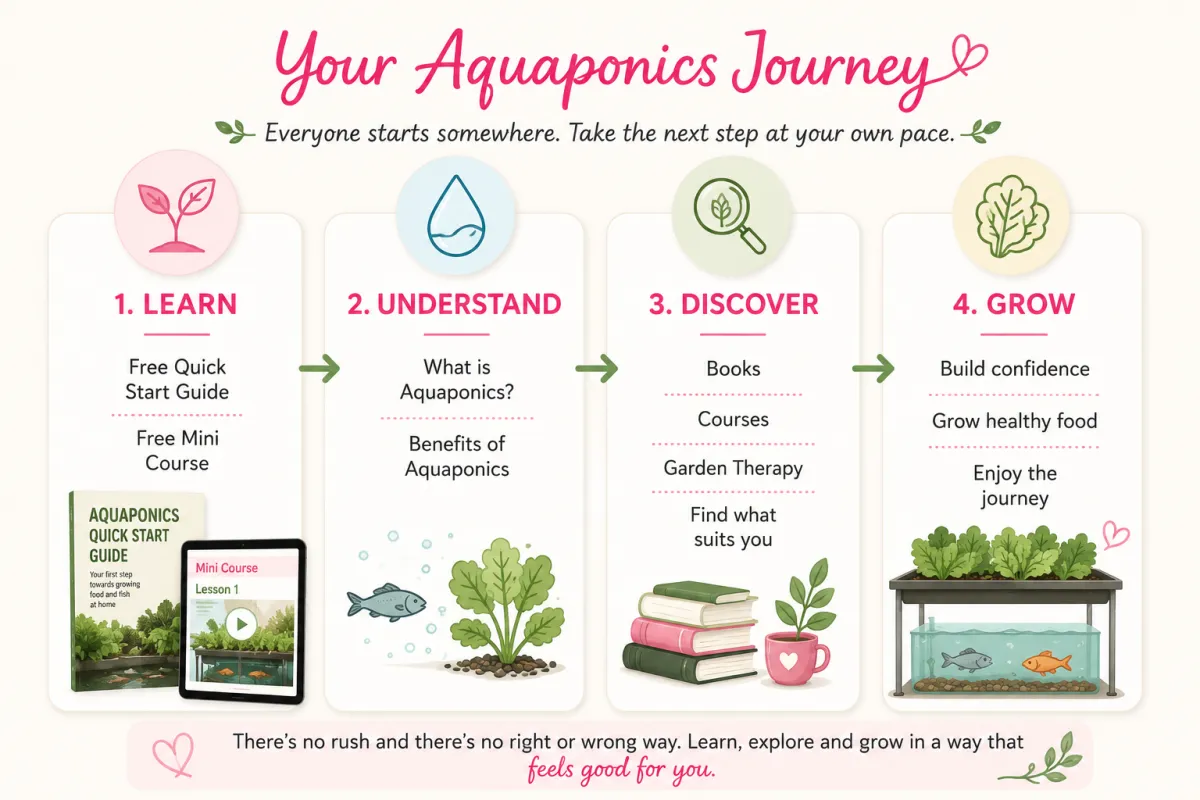
Start With the Basics. Build Your Knowledge From There.
One of the easiest ways to make aquaponics overwhelming is to try to learn everything before you've even started.
You don't need to memorise every fish species.
You don't need to understand advanced water chemistry.
And you certainly don't need to know how to diagnose every possible problem before you've filled your first fish tank.
You need the foundations.
Understand the ecosystem. Learn what the equipment does. Know what your fish and plants need. Learn the basic water tests. Then build your knowledge through observation and experience.
Aquaponics 101 gives you that starting point.
Not Just Something You Read Once
Your questions change once you actually have an aquaponics system.
At first you might be wondering which grow bed to choose.
Later, you might need to remember what nitrite means, how often to test your water, what a healthy fish should look like or why a particular plant isn't thriving.
That's why Aquaponics 101 has been designed as both an introduction and a practical reference you can return to as your system grows.
Read it from beginning to end when you're starting out.
Then keep it nearby when you need to revisit the basics.
Written to Help You Understand — Not Just Follow Instructions
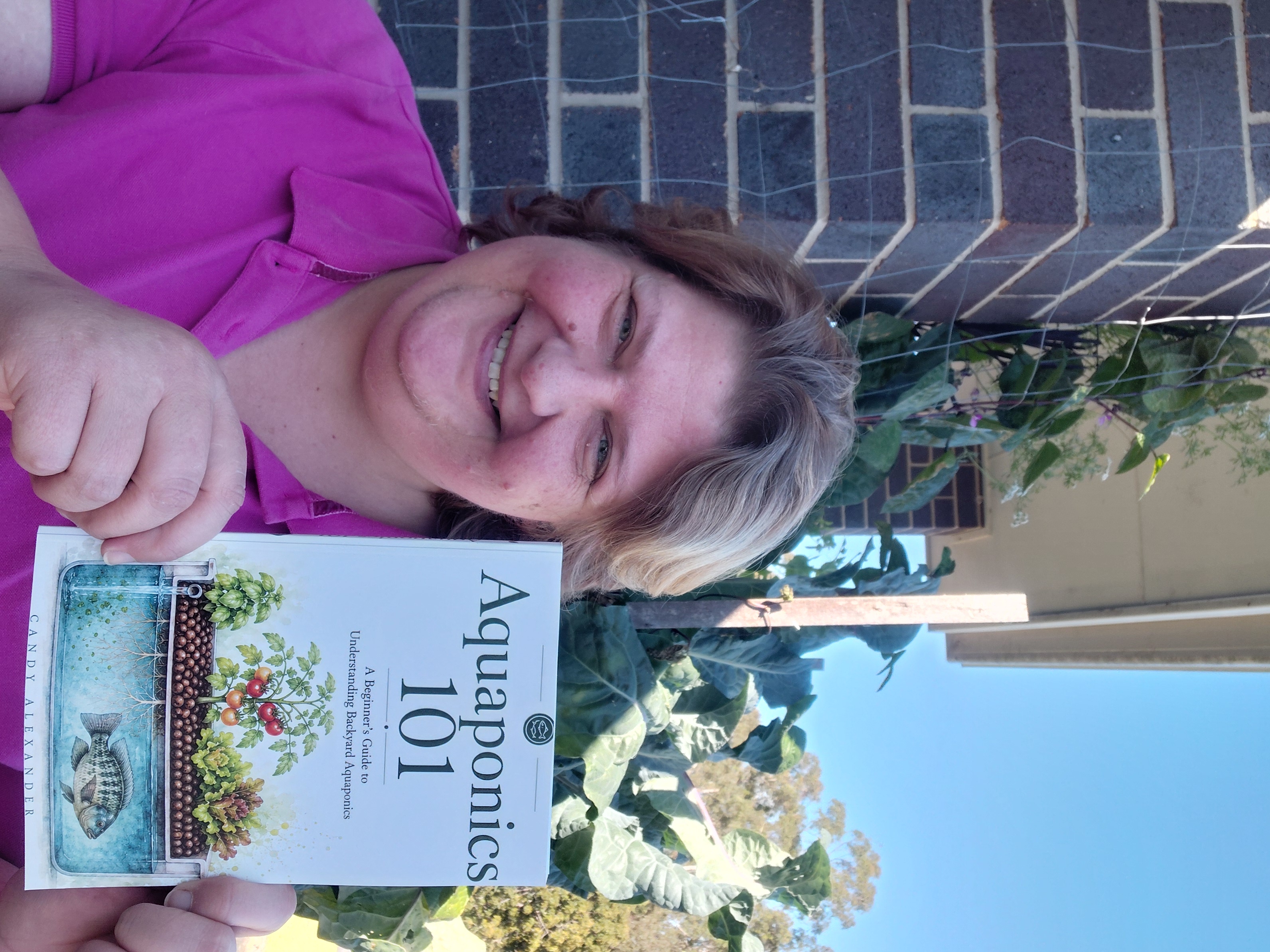
Hi, I'm Candy — The Aquaponics Lady.
I've spent years learning about aquaponics, keeping fish, growing food and discovering that the most useful lessons aren't always the complicated ones.
They're often the little things you learn by watching.
Why did the fish suddenly stop eating?
Why did the pH change?
Why is one plant thriving while another isn't?
What changed?
I don't want you simply following instructions without understanding them. I want you to begin recognising what's happening inside your own system and understand enough to ask the right questions.
That's why I wrote Aquaponics 101.
Not to turn you into an expert overnight — but to help you become a confident beginner.
This Book Is for You If...
You're completely new to aquaponics and don't know where to begin
You've been researching aquaponics but the information feels scattered or overwhelming
You're considering building a backyard aquaponics system and want to understand it first
You want to grow fresh vegetables and keep healthy fish at home
You want practical explanations rather than unnecessarily complicated terminology
You already have a system but still feel unsure about some of the fundamentals
You want a beginner aquaponics guide you can keep nearby and refer back to
You don't need previous aquaponics experience.
You just need curiosity and a willingness to learn.
A Foundation for Your Aquaponics Journey
Aquaponics 101 IS:
A digital book you can access immediately
A practical introduction to backyard aquaponics written as a conversation
A guide to understanding how an aquaponics ecosystem works
An introduction to common system designs
A beginner's guide to fish, plants and water quality
A guide to starting and caring for your first system
A reference you can return to as you learn
Aquaponics 101 ISN'T:
Filled with industry jargon, and complicated diagrams
A set of detailed construction plans
An advanced fish-health manual
An advanced water-chemistry textbook
A commercial aquaponics manual
A promise that there's one perfect system for everybody
It's the foundation that helps everything you learn next make more sense.
Start Understanding Aquaponics
You don't need the perfect backyard.
You don't need an enormous system.
And you don't need to know everything before you begin.
Start by understanding the basics — how fish, plants, bacteria, water and equipment work together.
Then you can decide what your aquaponics system should become.
Aquaponics 101
A Beginner's Guide to Understanding Backyard Aquaponics
Digital Book · Instant Access
By Candy Alexander — The Aquaponics Lady
Keep Learning About Aquaponics
Aquaponics 101 gives you the foundations.
When you're ready to learn more, continue your aquaponics journey with practical books, courses and free resources from The Aquaponics Lady.
Aquaponics Courses
Want more hands-on guidance?
Explore beginner-friendly online aquaponics courses covering everything from following a simple courtyard system to learning how to design your own.
Ecosystem Harmony
Already understand the basics and want a practical reference for caring for your system?
Ecosystem Harmony brings together 101 practical aquaponics tips covering fish, plants, water quality, equipment and everyday system care.
Free Mini Course
Not ready to buy yet?
Start with the free aquaponics mini course and learn how aquaponics works before deciding what you'd like to do next.
Every Aquaponics System Starts Somewhere
You don't have to understand everything today.
Learn how the ecosystem works.
Understand what your fish and plants need.
Build your confidence one step at a time.
And start your aquaponics journey from there.
Copyright 2026 | Candy The Aquaponics Lady | All Rights Reserved Email: [email protected]
Youtube
Facebook
Instagram
LinkedIn
TikTok