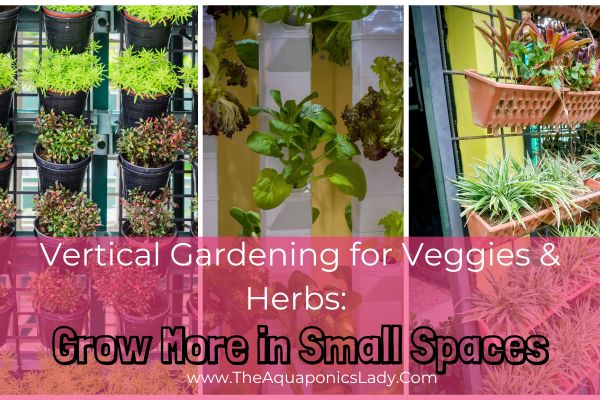
Vertical Gardening for Veggies & Herbs: Grow More in Small Spaces

If you’ve ever looked at your backyard, balcony, or courtyard and thought, “I just don’t have the space for a proper garden,” you’re exactly who vertical gardening was made for.
Vertical gardening takes the space you already have and turns it upward.
Instead of spreading out, a vertical vegetable garden lets you grow upwards — using trellises, walls, and creative containers to make every bit of sunlight count.
It’s practical, beautiful, and surprisingly productive — and yes, it works brilliantly for both soil gardens and aquaponic systems.
Why Vertical Gardening Works
Many plants can be trained to grow upwards rather than spreading across the ground, as long as they have enough light, water, nutrients, and the right support.
By using height instead of ground area, you can grow far more in small spaces while improving air circulation and light exposure.
Other benefits include:
Less bending and kneeling — perfect for anyone with mobility or joint pain.
Fewer ground-dwelling pests — lifting plants and fruit away from the soil may help reduce damage from slugs and snails.
Efficient drainage — well-designed pots and vertical planters allow excess water to drain away from plant roots.
Aesthetics — it turns plain fences or walls into living, edible artwork.
1. Grow Climbing Vegetables on Trellises
Climbers are the easiest entry point into vertical gardening. They naturally want to grow upwards — you just need to give them support.
Try growing:
Beans and peas on mesh, lattice, or bamboo teepees.
Cucumbers and suitable compact or vining zucchini varieties on strong trellises — lifting foliage and fruit can improve airflow and make harvesting easier.
Indeterminate tomatoes on vertical strings, stakes, or strong cages for tidier growth and easier picking.
Passionfruit or kiwi vines for shaded archways and stunning greenery, provided you have a strong permanent structure and enough room for them to mature.
You can use fencing, recycled pallets, or even mesh panels attached to walls.
Just remember to secure them well — a mature plant loaded with fruit can get heavy fast.
2. Use Hanging Baskets and Wall-Mounted Pots
If you have limited floor space, move your garden into the air.
Hanging baskets and wall planters are perfect for herbs, leafy greens, strawberries, and trailing plants.
Tips for success:
Use a lightweight, moisture-retentive potting mix containing materials such as coco coir.
Line baskets with coconut fibre to prevent soil loss.
Water gently but thoroughly — elevated pots dry out faster.
Mix textures and colours for a lush, layered look.
Hanging herbs like thyme, mint, and oregano spill beautifully over edges, softening the space while staying easy to reach for cooking.
Mint works especially well in its own hanging pot, where its vigorous roots are easier to contain.
3. Create a Living Wall or Vertical Tower
For a show-stopping feature, consider a living wall — a vertical panel filled with small planting pockets.
You can buy ready-made systems or DIY one from stacked PVC pipes, guttering, or recycled materials.
Make sure every planting pocket has reliable drainage and that excess water is directed somewhere safely rather than collecting around the roots.
When using recycled materials, avoid anything that previously held chemicals or could leach unwanted substances into the growing media.
Great plants for living walls include:
Leafy greens: lettuce, spinach, and rocket
Compact herbs: parsley, coriander, and basil
Edible flowers: nasturtium, viola, or calendula
For an easy start, try a vertical tower garden — a single column with plants growing from all sides. And for even faster harvests, microgreens and edible shoots are another great option for compact growing spaces.
Depending on the tower’s size and design, it may hold dozens of compact plants while occupying very little ground space.
4. Stack Containers on Shelves and Tiered Stands
Simple doesn’t mean less effective.
Stacked pots, tiered shelves, or ladder racks are perfect for renters or patios where you can’t drill into walls.
Place plants that tolerate more moisture lower down, where they may receive some runoff from pots above.
Keep sun-loving plants at the top for maximum light.
Use self-watering pots if possible to reduce maintenance.
You can also mix flowers with food plants for pollination and beauty — think marigolds beside basil, or strawberries next to petunias.
Make sure shelves and stacked pots are stable, securely anchored where necessary, and able to carry the weight of wet potting mix.
5. Build a Vertical Aquaponics Garden
Here’s where sustainable growing really takes it up a notch.
Aquaponics systems can be designed vertically just like traditional gardens — and often even more efficiently.
Benefits of a vertical aquaponics setup include:
Stacked growing channels, vertical towers, and NFT systems can allow you to arrange plants across multiple levels while recirculating the same water supply.
Because aquaponics does not rely on traditional garden soil, vertical setups can be lighter than soil-filled planters, although the structure must still safely support the water, plants, pipework, and growing media.
A well-designed system recirculates nutrient-rich water past the plant roots, but regular checks are still needed to make sure pumps, pipes, and outlets remain clear and every plant receives adequate flow.
Herbs, leafy greens, and strawberries are popular choices, while compact fruiting plants may also work when the system provides enough root space, support, and nutrients.
For small backyards or urban courtyards, a well-designed vertical aquaponics system can fit more growing sites into the same ground area than a single-level garden.
It’s space-smart, water-wise, and perfect for anyone who wants beauty and yield.
Before adding a full load of plants and fish, it’s also important to make sure your aquaponics system is properly cycled.
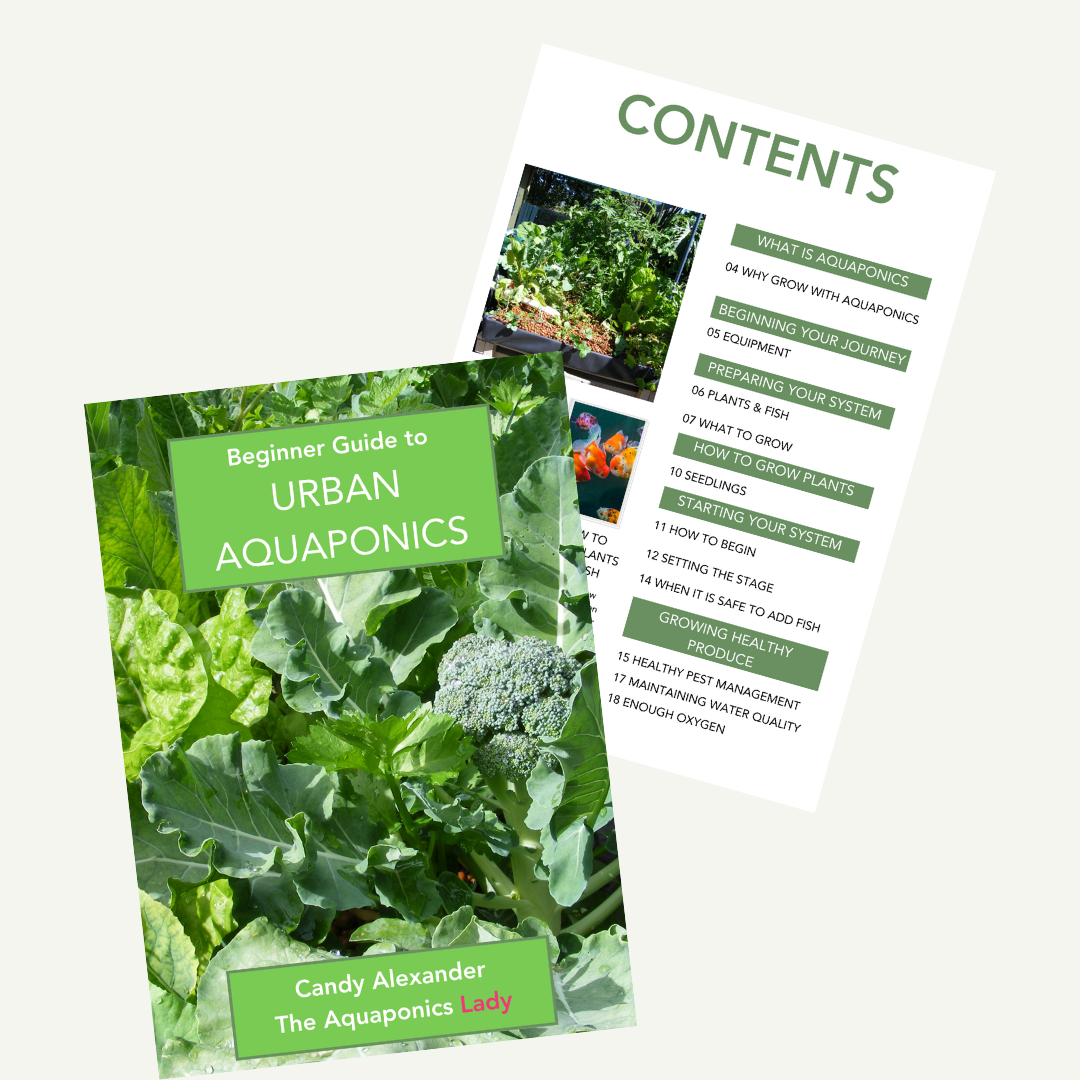
Could Urban Aquaponics Work for You?
Get your free copy of the Urban Aquaponics eBook to help you decide whether aquaponics is right for you and discover the basic information you need to begin your journey.
Get inspired to start your aquaponics journey today.
Get your Free copy HERE
What to Consider Before Starting a Vertical Garden
Before choosing your setup, think about how much direct sunlight the space receives and whether taller plants might shade those growing below.
Consider the mature size and weight of your plants, along with how easily you’ll be able to reach them for watering, pruning, and harvesting.
Wind exposure is also important, especially on balconies and in open courtyards. Make sure walls, fences, shelves, and other supports can safely hold the garden once the plants are mature and containers are full of water or wet growing media.
Grow More Food Without Needing More Ground
Vertical gardening is proof that you don’t need sprawling land to grow your own food — you just need creativity and a little structure.
Whether it’s a trellis of tomatoes, a hanging wall of herbs, or a sleek aquaponic tower quietly bubbling away, every level adds life, shade, and nourishment.
Grow up, not out — and you’ll be amazed by how much abundance fits into even the smallest space.
Learn More About Aquaponics
Check out the COURSES page to learn how you can get started with aquaponics now. Click HERE.
Want to get your Eyes and Hands on the FREE Online Aquaponics Essentials Course?
This is a great free resource to really understand how aquaponics is a sustainable ecosystem that will grow your organic food is a productive way.
You learn how all the 'parts' make up the 'whole', and helps to give you the foundations of understanding aquaponics.
Sign up HERE
Check out My YouTube Channel 'Candy The Aquaponics Lady'
Aquaponics is an ecosystem, and with anything it takes time to learn how it works. So, sit back and binge watch my 'how to' playlist and the 'Water Quality Made Simple' Playlist, and learn the next steps in your aquaponics system as you create the ecosystem.
Here are the next 2 videos I recommend you watching to create your ecosystem ~ before you add any fish
How Aquaponics Works as an Ecosystem
Why Aquaponics is the best, and most sustainable form of gardening in small spaces
Learn More About Aquaponics
Check out the COURSES page to learn how you can get started with aquaponics now. Click HERE.
Want to get your Eyes and Hands on the FREE Online Aquaponics Essentials Course?
This is a great free resource to really understand how aquaponics is a sustainable ecosystem that will grow your organic food is a productive way.
You learn how all the 'parts' make up the 'whole', and helps to give you the foundations of understanding aquaponics.
Sign up HERE
Want to help out and Feed my Fish?? (They don't drink coffee)

Candy Alexander is a dedicated aquaponics enthusiast with a wealth of formal training in aquaculture. Over the past 15 years, Candy has been deeply immersed in both commercial and backyard aquaponics, honing her skills and expertise in this sustainable farming method.
Candy's passion lies in making aquaponics accessible to everyone. With a mission to simplify aquaponics, she believes that anyone can embark on this sustainable journey.
She encourages those new to aquaponics to "kick the tires" without a significant financial investment. Her guidance focuses on helping people start their aquaponics journey with small-scale systems, ensuring a low barrier to entry for newcomers.
Candy shares practical tips, step-by-step guides, and personal stories to inspire and guide readers on their aquaponics adventure. Whether you're a seasoned farmer or a curious beginner, Candy Alexander is your go-to source for simplifying aquaponics and fostering a sustainable gardening experience.


