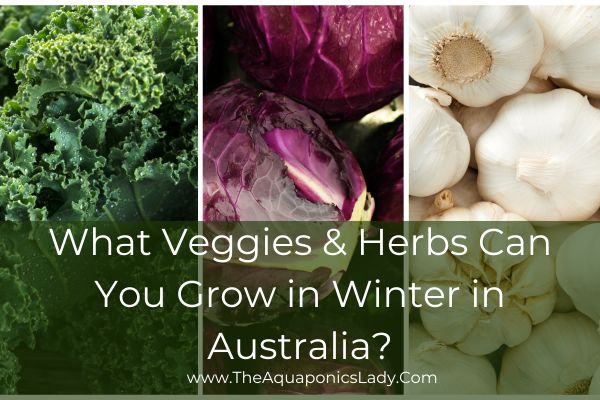
Veggies & Herbs to Grow in Winter in Cool & Mild Australian Zones

Winter might seem like the quiet season in the garden, but it’s actually one of the most peaceful and rewarding times to grow.
The weeds slow down, pests take a break, and many veggies develop richer flavours in the cool air.
Whether you’re in a chilly southern climate or a mild coastal zone, there’s plenty you can plant — and with a bit of protection, your garden can stay productive all winter long.
Why Growing Veggies in Winter Is Worth It
Winter vegetables are the quiet achievers of the garden world.
They don’t need constant watering or pest control, and many can handle short daylight hours without fuss.
In fact, cool weather brings out sweeter flavours in crops like kale, carrots, snow peas, strawberries and spinach — nature’s way of protecting them from frost.
So, if you’ve ever thought winter was a time to pack up your gloves, think again. It’s planting season in disguise.
Check these veggies that are great to grow all year round.
What veggies and herbs grow well in winter?
In cool and mild Australian zones, winter is a great time to grow leafy greens, root vegetables, brassicas and hardy herbs. Good options include kale, spinach, silverbeet, carrots, beetroot, broccoli, cabbage, parsley, coriander, thyme and rosemary.
1. Cold-Tolerant Greens to Grow in Winter
Some greens love a bit of chill. They grow slower, but sturdier, and the taste only improves.
Try planting:
Kale – thrives in cold air and gets sweeter after light frosts.
Spinach – one of the toughest greens around; perfect for salads or stir-fries.
Silverbeet (Swiss chard) – a staple that keeps growing for months.
Asian greens like pak choi, tatsoi, and mizuna – fast, tasty, and perfect for quick harvests.
Rocket and mustard greens – love cooler weather and regrow after cutting.
If you live somewhere extra cold, start seedlings under cover or in pots you can move to a sheltered spot during frosty nights.
2. Root Vegetables That Grow Well in Winter
Winter is when root vegetables really shine. They grow slowly but store beautifully.
Plant:
Carrots and parsnips – frost actually makes them sweeter.
Beetroot – hardy and colourful; harvest small for tender roots and young leaves.
Turnips and radishes – grow fast in cooler weather and add a peppery punch.
Garlic and onions – winter is the perfect time to plant for a summer harvest.
Tip: Keep the soil loose and well-drained — soggy soil in winter can rot roots quickly.
Check out this video on three easy-to-grow veggies that are great for winter:
3. Winter Brassicas: Broccoli, Cabbage, Cauliflower & Brussels Sprouts
No winter garden feels complete without the big, satisfying crops — the ones that fill your plate and warm your belly.
Try growing:
Cauliflower – slow and steady, but worth it for those creamy heads.
Broccoli – easy to grow and produces side shoots after the main harvest.
Brussels sprouts – love a cold spell; frost makes them sweeter.
Cabbage – dense, versatile, and stores beautifully in the fridge or as sauerkraut.
These “brassica” vegetables (part of the cabbage family) thrive in cooler weather when pests like white cabbage butterflies take a break. They prefer consistent moisture and rich soil — or, if you’re using aquaponics, they absolutely thrive in the constant nutrient flow.
Aquaponic bonus:
Cauliflower, broccoli, and cabbage all grow well in aquaponic systems thanks to their strong nutrient needs and shallow root structure. They appreciate the steady access to water and minerals, producing full, compact heads without the risk of soil-borne diseases.
Just make sure your system is well-aerated and pH-stable — and you’ll enjoy crisp, clean harvests right through winter.
4. Hardy Herbs to Grow in Winter
While basil and lemongrass go into hibernation, plenty of other herbs soldier on through the cold.
Try:
Parsley – slow but steady, and even frost-kissed leaves taste fresh.
Coriander – actually prefers the cold, so it won’t bolt to seed as it does in summer.
Thyme, rosemary, sage, and oregano – Mediterranean classics that love cool, dry air.
Chives – die back slightly in heavy frost but rebound quickly.
Growing herbs close to the kitchen makes it easier to harvest fresh sprigs even on chilly mornings.
5. How to Protect Your Winter Garden from Frost and Wind
Even tough and hardy plants appreciate a little shelter when the frost rolls in.
Here’s how to give them a hand:
Mulch deeply to insulate roots and prevent soil temperature swings.
Use frost cloths or old sheets to cover delicate plants overnight.
Group pots together near walls or fences where they can absorb daytime warmth.
Water in the morning, not at night — moist soil holds heat better through cold evenings.
If you’re in a windy area, temporary screens or hessian wraps can stop icy gusts from drying out leaves.
WATCH NOW: Aquaponics in Winter: 3 Ways to Keep it Warm CHEAPLY
6. Growing Beyond Winter with Aquaponics & Indoor Systems
This is where technology and nature team up beautifully.
If you have an aquaponics or indoor hydroponics system, winter doesn’t have to limit your harvest at all.
Because these systems circulate nutrient-rich water and can be set up in sheltered or controlled environments, you can keep growing herbs, greens, and even heavy feeders like cauliflower and broccoli while your outdoor beds rest.
The constant water flow in aquaponics keeps roots hydrated and protected from frozen soil, especially in sheltered or indoor systems — giving you more growing options while outdoor beds slow down.
Plus, you can grow warmer veggies and herbs like basil and capsicums indoors under a small LED grow light while the outdoor world sleeps.
It’s a perfect way to stay connected to your garden year-round, even when the weather says “pause.”
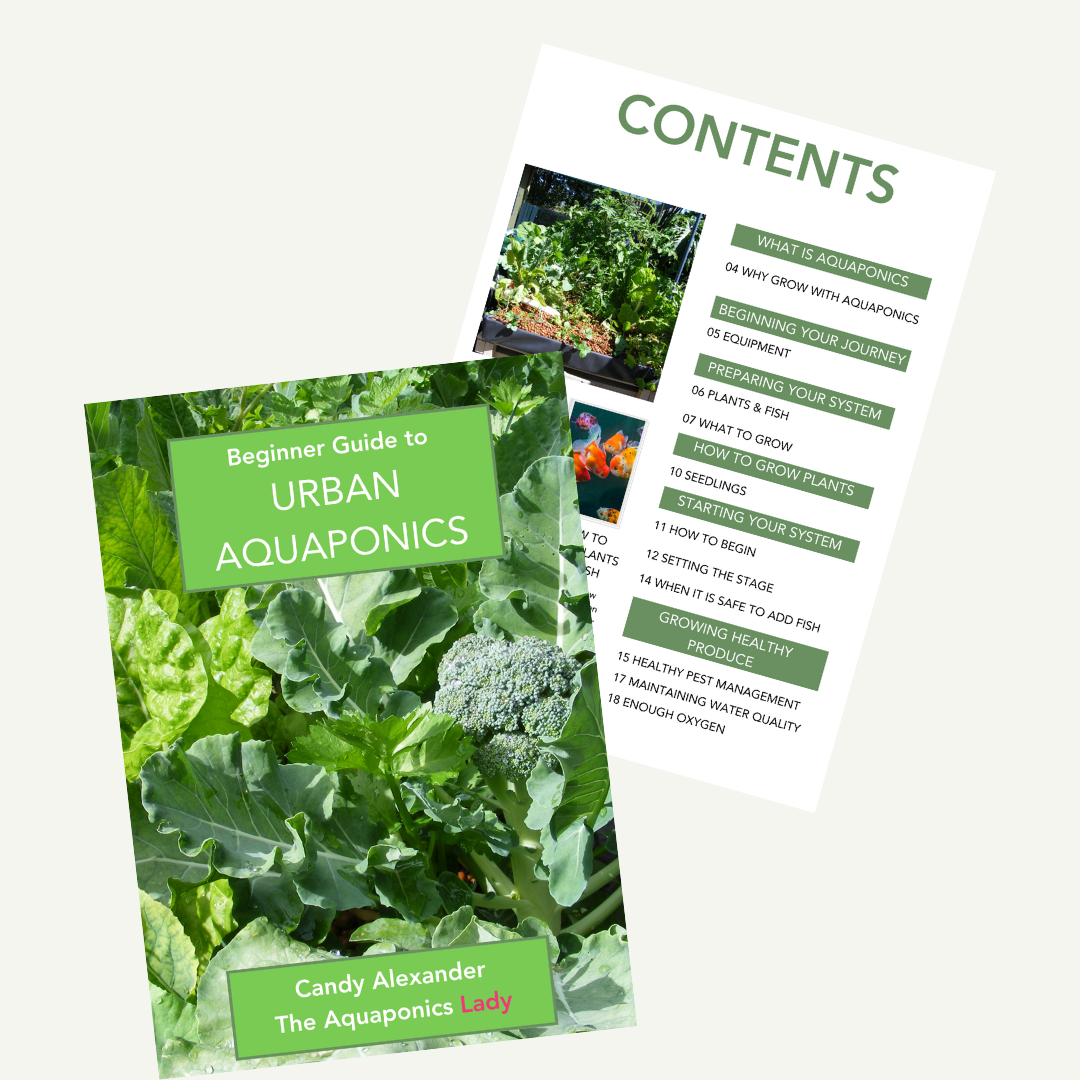
Try At-Home Aquaponics Yourself
Get your free copy of the Urban Aquaponics eBook that helps you identify if aquaponics is for you, and some basic information to help you get started on your journey
Get inspired to start your journey, today.
Get your Free copy HERE
Keep Growing Through Winter
Winter gardening is slower, quieter, and somehow more mindful.
It teaches patience — to tend gently, to notice the small growth, and to celebrate the greens that push through the chill.
Whether you’re tucking seedlings into rich soil or tending to fish-fed brassicas indoors, the message is the same:
there’s always something growing, even in stillness.
Want to Keep Growing Fresh Food Beyond the Seasons?
Aquaponics makes it possible to grow herbs, greens and vegetables in a more consistent, sustainable way, even when outdoor gardens slow down. Learn more about creating your own food-growing system with my aquaponics resources.
Learn More About Aquaponics
Check out the COURSES page to learn how you can get started with aquaponics now. Click HERE.
Want to get your Eyes and Hands on the FREE Online Aquaponics Essentials Course?
This is a great free resource to really understand how aquaponics is a sustainable ecosystem that will grow your organic food is a productive way.
You learn how all the 'parts' make up the 'whole', and helps to give you the foundations of understanding aquaponics.
Sign up HERE
Check out My YouTube Channel 'Candy The Aquaponics Lady'
Aquaponics is an ecosystem, and with anything it takes time to learn how it works. So, sit back and binge watch my 'how to' playlist and the 'Water Quality Made Simple' Playlist, and learn the next steps in your aquaponics system as you create the ecosystem.
Here are the next 2 videos I recommend you watching to create your ecosystem ~ before you add any fish
How Aquaponics Works as an Ecosystem
Why Aquaponics is the best, and most sustainable form of gardening in small spaces
Learn More About Aquaponics
Check out the COURSES page to learn how you can get started with aquaponics now. Click HERE.
Want to get your Eyes and Hands on the FREE Online Aquaponics Essentials Course?
This is a great free resource to really understand how aquaponics is a sustainable ecosystem that will grow your organic food is a productive way.
You learn how all the 'parts' make up the 'whole', and helps to give you the foundations of understanding aquaponics.
Sign up HERE
Want to help out and Feed my Fish?? (They don't drink coffee)

Candy Alexander is a dedicated aquaponics enthusiast with a wealth of formal training in aquaculture. Over the past 15 years, Candy has been deeply immersed in both commercial and backyard aquaponics, honing her skills and expertise in this sustainable farming method.
Candy's passion lies in making aquaponics accessible to everyone. With a mission to simplify aquaponics, she believes that anyone can embark on this sustainable journey.
She encourages those new to aquaponics to "kick the tires" without a significant financial investment. Her guidance focuses on helping people start their aquaponics journey with small-scale systems, ensuring a low barrier to entry for newcomers.
Candy shares practical tips, step-by-step guides, and personal stories to inspire and guide readers on their aquaponics adventure. Whether you're a seasoned farmer or a curious beginner, Candy Alexander is your go-to source for simplifying aquaponics and fostering a sustainable gardening experience.


