Smart Gardening Technology: Are Automation, Sensors & Apps Worth It?

Gardening used to be all about getting your hands dirty and reading the weather by feel. These days, you can manage more of it from your phone — watering, tracking sunlight, and even checking soil health with the help of smart gadgets and apps.
But with so many tools and promises out there, it’s natural to wonder: is smart gardening tech actually worth it?
Let’s look at what’s out there, what’s helpful (and what’s just hype), and how this technology fits into sustainable gardening — including aquaponics.
For many gardeners, yes — but you don’t need to automate everything. Simple tools such as moisture sensors, watering timers and garden apps can save time and reduce guesswork, while more advanced automation may be worthwhile for larger gardens, indoor growing or aquaponics systems.
Why “smart” gardening has become so popular
As the world gets busier and climates become less predictable, many gardeners are looking for ways to make their gardens more efficient and resilient.
Smart tech doesn’t replace gardening — it supports it.
It helps you water more accurately, monitor your plants remotely, and understand what’s happening under the surface. Understanding the natural balance of your system is still important, including knowing whether your aquaponics system has cycled.
And for those who can’t always get outside due to weather, health, or time — tech can keep your garden thriving without daily hands-on effort.
1. Moisture sensors — watering smarter, not harder
If you’ve ever wondered, “Did I water too much or not enough?” — moisture sensors take the guesswork out.
They measure how damp the soil is and can alert you when it’s time to water (or tell you to hold off). Some even link to your phone and adjust your watering schedule automatically.
Benefits:
Prevents overwatering and root rot.
Helps conserve water in drought-prone areas.
Perfect for pots, raised beds, or veggie patches that dry out quickly.
Sustainability tip: A moisture sensor paired with an efficient watering system can help prevent unnecessary watering and potentially save significant amounts of water over time.
2. Automated watering systems
Automated watering is one of the most practical uses of smart gardening technology.
Drip lines, sprinklers, or self-watering setups can now be connected to timers, moisture sensors, or weather-based apps that adjust watering based on rainfall forecasts.
You can go basic or high-tech:
Simple timers that water for set intervals — great for small veggie beds.
Smart controllers that use weather data to adjust watering schedules when conditions change or rain is expected.
Wi-Fi-enabled irrigation systems that let you adjust settings remotely.
For gardeners with limited time or mobility, this kind of automation can make a huge difference — helping plants stay hydrated without requiring constant hands-on attention.
3. Apps for pest detection & plant health
Garden apps have come a long way.
Many now use AI and photo recognition to help identify plants, pests and possible signs of disease or nutrient problems simply by snapping a picture.
Popular features include:
Pest ID and organic treatment suggestions.
Watering reminders and plant-specific care tips.
Light and temperature tracking.
Garden journaling and seasonal planting guides.
While they’re not perfect (AI can still mistake a burnt leaf for fungus), these tools are improving fast and make it easier for beginners to learn what’s going on in their gardens.
Tip: Pair an app with hands-on observation — use it as a learning tool, not a replacement for experience.
4. Smart lighting & temperature control (for indoor gardeners)
If you grow herbs or microgreens indoors, smart lights can be a game-changer.
LED grow lights now come with timers and adjustable brightness, so you can mimic natural daylight cycles — no more leggy, light-starved seedlings.
Some systems even connect to temperature and humidity sensors to adjust conditions automatically, perfect for hydroponics and indoor setups.
5. Aquaponics & automation: the perfect partnership
This is where smart tech truly shines.
Aquaponics systems already have a natural rhythm — circulating water, filtering nutrients, and balancing fish and plant health.
But with automation, you can fine-tune that balance with ease.
Smart tools can:
Monitor important water conditions, such as temperature, pH or dissolved oxygen, depending on the equipment used.
Automate feeding, pumping and lighting schedules.
Send alerts when monitored conditions change or connected equipment stops working.
Track system data over time, making it easier to spot patterns before they become bigger problems.
Not only does this make aquaponics more reliable, but it also means less stress for your fish and more consistent growth for your plants. Being alerted to changes in water quality, oxygen or circulation can sometimes provide early warning that something isn’t right.
For busy gardeners, or those living with fatigue or mobility challenges, automation can also reduce some of the repetitive physical tasks involved in maintaining an aquaponics system.
The downside is cost, particularly with more advanced monitoring equipment. Sensors and meters also need to be maintained and calibrated correctly, so automation doesn’t remove the need to understand what is happening inside your system.
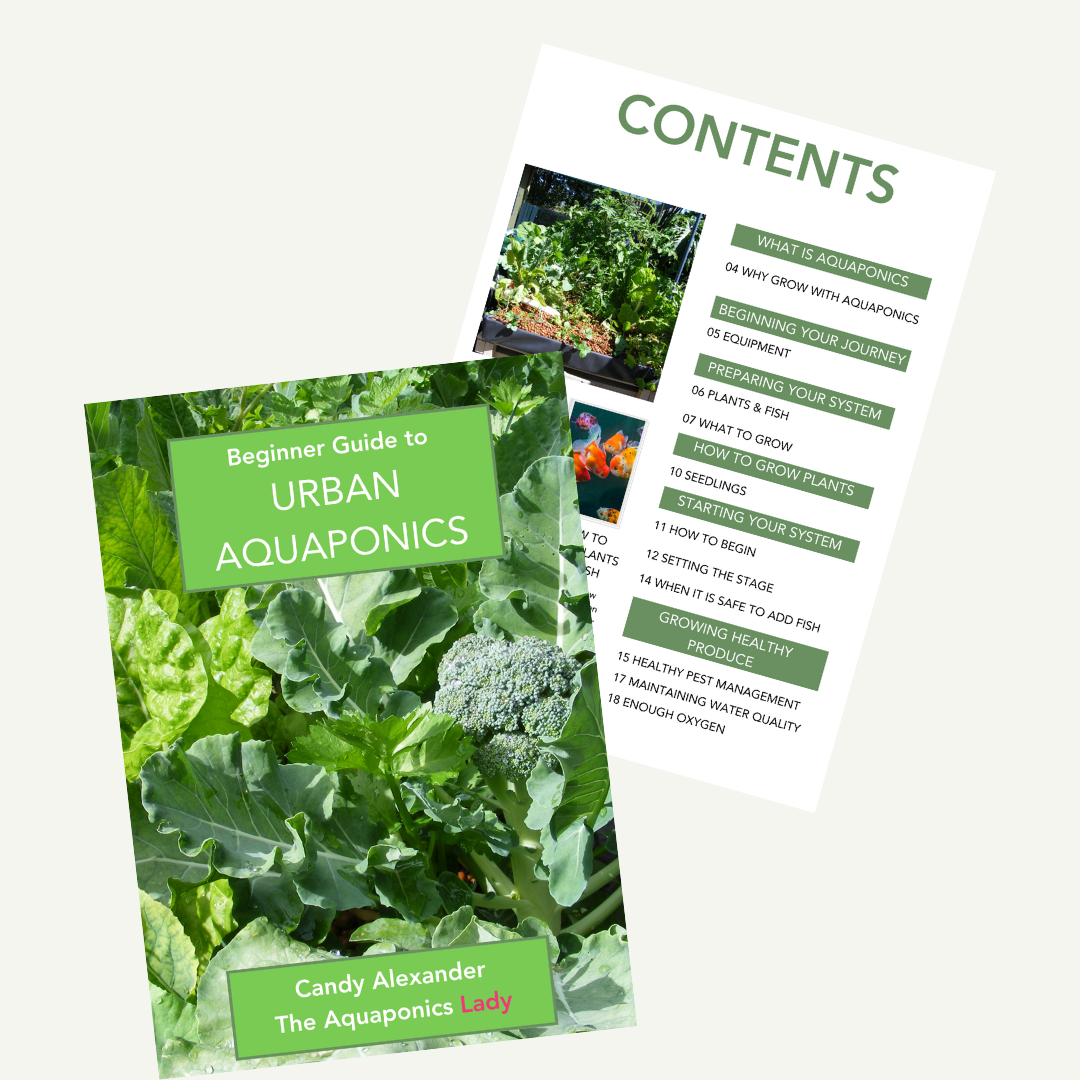
Want to Learn More About Getting Started With Aquaponics?
Technology can make monitoring and maintaining an aquaponics system easier, but it helps to understand the basics first.
Get your free copy of the Urban Aquaponics eBook to find out whether aquaponics could be right for you and learn some of the basics to help you get started.
Get inspired to start your aquaponics journey today.
Get your Free copy HERE
Should you invest?
It depends on your goals.
Before buying anything, think about the problem you actually want the technology to solve. Are you forgetting to water? Going away regularly? Struggling to physically check the garden every day? Trying to monitor an aquaponics system more closely? Start there rather than buying technology simply because it exists.
If you love the hands-on feel of soil and daily check-ins, you might only need simple tools like a moisture sensor or timer.
If you’re short on time, or you manage larger gardens, automation can save hours and prevent costly mistakes.
And if you run an aquaponic setup — even a small one — a few carefully chosen devices can make monitoring and routine tasks easier while helping you spot potential problems sooner.
The best approach is to start small: try one gadget, learn how it fits your rhythm, and build from there.
Technology should support your connection to the garden — not replace it.
Using Technology to Support Your Garden
Smart gardening isn’t about turning your backyard into a robot farm — it’s about using gentle technology to work with nature, not against it.
Whether it’s a soil sensor reminding you to water, an app helping you identify pests, or an aquaponic monitor helping you keep an eye on your system, the goal is the same: less waste, more awareness, and technology that makes gardening a little easier.
Because the smartest gardens aren’t just connected to Wi-Fi — they’re connected to you.
Learn More About Aquaponics
Check out the COURSES page to learn how you can get started with aquaponics now. Click HERE.
Want to get your Eyes and Hands on the FREE Online Aquaponics Essentials Course?
This is a great free resource to really understand how aquaponics is a sustainable ecosystem that will grow your organic food is a productive way.
You learn how all the 'parts' make up the 'whole', and helps to give you the foundations of understanding aquaponics.
Sign up HERE
Check out My YouTube Channel 'Candy The Aquaponics Lady'
Aquaponics is an ecosystem, and with anything it takes time to learn how it works. So, sit back and binge watch my 'how to' playlist and the 'Water Quality Made Simple' Playlist, and learn the next steps in your aquaponics system as you create the ecosystem.
Here are the next 2 videos I recommend you watching to create your ecosystem ~ before you add any fish
How Aquaponics Works as an Ecosystem
Why Aquaponics is the best, and most sustainable form of gardening in small spaces
Learn More About Aquaponics
Check out the COURSES page to learn how you can get started with aquaponics now. Click HERE.
Want to get your Eyes and Hands on the FREE Online Aquaponics Essentials Course?
This is a great free resource to really understand how aquaponics is a sustainable ecosystem that will grow your organic food is a productive way.
You learn how all the 'parts' make up the 'whole', and helps to give you the foundations of understanding aquaponics.
Sign up HERE
Want to help out and Feed my Fish?? (They don't drink coffee)

Candy Alexander is a dedicated aquaponics enthusiast with a wealth of formal training in aquaculture. Over the past 15 years, Candy has been deeply immersed in both commercial and backyard aquaponics, honing her skills and expertise in this sustainable farming method.
Candy's passion lies in making aquaponics accessible to everyone. With a mission to simplify aquaponics, she believes that anyone can embark on this sustainable journey.
She encourages those new to aquaponics to "kick the tires" without a significant financial investment. Her guidance focuses on helping people start their aquaponics journey with small-scale systems, ensuring a low barrier to entry for newcomers.
Candy shares practical tips, step-by-step guides, and personal stories to inspire and guide readers on their aquaponics adventure. Whether you're a seasoned farmer or a curious beginner, Candy Alexander is your go-to source for simplifying aquaponics and fostering a sustainable gardening experience.


