Fish Health in Aquaponics: Signs of Stress, Illness and Prevention

Keeping your fish healthy is one of the most important parts of maintaining a balanced aquaponics system. After all, without healthy fish, your plants won't receive the nutrients they need to thrive.
But how do you know if your fish are happy and healthy, or showing early signs of stress?
The good news is that fish often give you warning signs when something isn't right. From changes in swimming behaviour to poor water quality, knowing what to look for can help you prevent small problems from becoming bigger ones.
Let's look at the signs of healthy aquaponics fish, what causes stress and illness, and how to keep your fish thriving.
What Do Healthy Aquaponics Fish Look Like?
Before diving into what can go wrong, it’s important to recognise what healthy fish look and behave like.
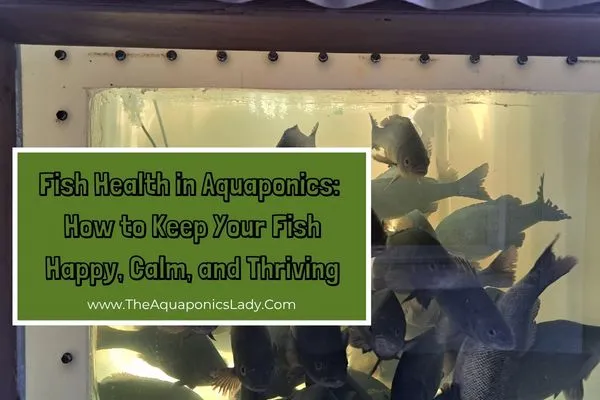
Healthy aquaponics fish—like your silver perch—should:
Swim smoothly and calmly.
Have clear eyes and shiny scales.
Breathe steadily, not rapidly or at the surface.
Eat eagerly but not frantically.
Show no visible marks, sores, or fin damage.
Watch: Feeding Frenzy: Silver Perch ASMR Delight for Fish Enthusiasts
See my silver perch in action, from smaller fish through to larger fish, and learn what to look for when observing feeding and swimming behaviour.
Why Fish Health Matters in Aquaponics
Fish are the foundation of every aquaponics system. Their waste becomes the nutrient base for your plants, and their wellbeing determines how smoothly your system runs.
When fish become stressed or unwell, they may eat less, behave differently and become more vulnerable to disease. Poor water conditions can also affect the beneficial bacteria that help keep your aquaponics system balanced.
In short, healthy fish = healthy system.
5 Common Causes of Fish Stress and Illness
1. Poor Water Quality
This is the number one cause of stress and disease in aquaponics.
Ammonia, nitrite, or pH spikes harm fish gills and reduce oxygen absorption.
Signs:
Gasping at the surface.
Red or inflamed gills.
Sluggish swimming or loss of appetite.
Prevention:
Test your water regularly, ideally weekly in established systems and more frequently when cycling a new system, introducing fish or noticing changes in fish behaviour.
Maintain good aeration and filtration.
Aim for a stable pH suitable for your fish species and aquaponics system, often around 6.8–7.2. Keep ammonia and nitrite at undetectable levels and monitor for sudden changes.
2. Low Oxygen Levels (Especially in Warm Weather)
Warm water holds less dissolved oxygen, and algae can make the problem worse by consuming oxygen overnight when photosynthesis stops.
Signs:
Gasping at the surface.
Gathering near air stones or inflow pipes.
Sudden deaths in the morning.
Prevention:
Run air pumps 24/7.
Add extra aeration during hot weather.
Keep tanks shaded and clean of algae.
3. Injury and Handling Stress
Fish can easily injure themselves on sharp objects or rough handling during transfers.
Once a wound opens, bacteria and fungus can quickly take hold.
Signs:
White patches or fuzzy growth on skin or fins.
Torn fins or missing scales.
Hiding or reduced movement.
Prevention:
Use soft nets or scoop containers when moving fish.
Avoid overcrowding and sudden noises near tanks.
Keep tank edges and plumbing smooth and safe.
4. Bacterial and Fungal Infections
Infections often occur after an injury or when water quality has been poor.
While rare in well-maintained systems, they can spread quickly if untreated.
Signs:
Cloudy eyes or cotton-like growth on skin.
Red streaks or ulcers.
Fish isolating from the group.
Prevention:
Maintain good hygiene and oxygenation.
Quarantine new fish before adding them to the main tank.
Improve water quality rather than medicating the entire system.
5. Temperature Fluctuations
Sudden changes in temperature can shock fish, especially when topping up water.
Silver perch, for example, are happiest between 20–28°C (68–82°F).
Signs:
Sluggishness, lack of appetite.
Floating or twitching movements after a water change.
Prevention:
Match temperatures when topping up water.
Use a shaded drum with aeration to stabilise water before adding it (as you do).
How to Keep Aquaponics Fish Healthy
1. Regular Testing and Observation
Spend a few minutes daily watching your fish. Their behaviour tells you everything—feeding response, energy, and breathing patterns.
If you're setting up a new aquaponics system, it's also important to make sure it's properly cycled before introducing fish. Not sure what that means? Learn how to tell if your aquaponics system is cycled and why it matters for fish health.
2. Feed Good Quality Food
High-quality aquaculture feed supports strong immune systems and better growth.
3. Keep Systems Clean but Not Sterile
Remove solids and debris, but never over-clean filters or media, as beneficial bacteria are part of your fish’s natural defence.
4. Maintain Steady Oxygen Levels
Maintaining adequate dissolved oxygen is essential for healthy fish and beneficial bacteria. Good aeration and consistent water circulation help keep oxygen levels stable, particularly during warmer weather. A well-aerated system keeps fish calm and bacteria thriving.
5. Minimise Disturbance
Fish don’t like sudden noises, tapping on tanks, or frequent netting. Calm systems make calm fish.
When to Act: Warning Signs of Sick Fish
Fish can't tell you when something is wrong, but their behaviour often provides early warning signs.
Look out for:
Gasping at the surface or unusually rapid breathing.
Swimming erratically, floating sideways or struggling to maintain balance.
Sudden loss of appetite.
Red or inflamed gills, sores, white patches or damaged fins.
Unusual hiding, isolation or sluggishness.
Multiple fish showing symptoms at the same time.
If you notice any of these signs, act quickly:
Test your water immediately, checking ammonia, nitrite, pH and temperature.
Check your equipment, including air pumps, filters and water circulation.
Increase aeration if oxygen levels are low or fish are gasping.
Correct any water quality problems, avoiding sudden changes that could cause additional stress.
Seek professional advice if symptoms are severe, persistent or affecting multiple fish.
Improving water quality and oxygenation is often an important first step, but some fish health problems require additional treatment or professional advice.
If testing identifies a water quality problem, take appropriate corrective action. This may include a partial water change using properly conditioned, temperature-matched water. Avoid sudden changes that could place your fish under additional stress.
In some situations, carefully measured salt treatments may help fish manage certain health problems. However, salt isn't suitable for every condition, and adding it directly to an aquaponics system can affect your plants. Always identify the problem first and seek species-specific advice before using salt.
Healthy Fish, Healthy Aquaponics System
Healthy fish are calm, curious, and confident in their space.
When your aquaponics system is balanced, your fish have a better chance of thriving, and your plants benefit too.
Remember, prevention is always better than cure. Watch your fish, test your water regularly, and maintain good oxygen levels and cleanliness.
The gentle movements and quiet feeding sounds of silver perch are some of the lovely signs of harmony in aquaponics.
How do I know if my aquaponics fish are stressed?
Common signs of stress in aquaponics fish include gasping at the surface, reduced appetite, unusual swimming behaviour, hiding and sluggishness. Changes in water quality, oxygen levels or temperature are common causes, so testing your water is a good first step.
How often should I check my aquaponics fish?
Observe your fish every day, particularly during feeding. Look for changes in their swimming, breathing, appetite and appearance. Test water regularly, with more frequent checks during system cycling, hot weather or whenever fish show signs of stress.
Learn More About Aquaponics
Check out the COURSES page to learn how you can get started with aquaponics now. Click HERE.
Want to get your Eyes and Hands on the FREE Online Aquaponics Essentials Course?
This is a great free resource to really understand how aquaponics is a sustainable ecosystem that will grow your organic food is a productive way.
You learn how all the 'parts' make up the 'whole', and helps to give you the foundations of understanding aquaponics.
Sign up HERE
Check out my YouTube Channel 'Candy The Aquaponics Lady'
Aquaponics is an ecosystem, and with anything it takes time to learn how it works. So, sit back and binge watch my 'how to' playlist and the 'Water Quality Made Simple' Playlist, and learn the next steps in your aquaponics system as you create the ecosystem.
Here are the next 2 videos I recommend you watching to create your ecosystem ~ before you add any fish
How Aquaponics Works as an Ecosystem
Why aquaponics is the best form of gardening for you
Learn More About Aquaponics
Check out the COURSES page to learn how you can get started with aquaponics now. Click HERE.
Want to get your Eyes and Hands on the FREE Online Aquaponics Essentials Course?
This is a great free resource to really understand how aquaponics is a sustainable ecosystem that will grow your organic food is a productive way.
You learn how all the 'parts' make up the 'whole', and helps to give you the foundations of understanding aquaponics.
Sign up HERE
Want to help out (donate some fish food) and Feed my Fish?? (They don't drink coffee)

About Candy Alexander – The Aquaponics Lady
Candy Alexander is the founder of The Aquaponics Lady, with over 20 years of hands-on experience in aquaponics and formal training in aquaculture. Her experience spans both commercial and backyard systems, from larger outdoor setups to small indoor aquariums.
Candy believes growing fresh food shouldn't require a large backyard, expensive equipment or complicated systems. Whether you have a small courtyard, rent your home, or want to turn an existing aquarium into a productive little garden, there are practical ways to get started.
Her approach is simple: start small, understand how things work, and build your confidence as you go. She's passionate about helping beginners avoid unnecessary expenses, learn to care for their fish and plants, and discover the enjoyment of growing their own food.
Through The Aquaponics Lady, Candy shares practical advice, beginner-friendly guides and lessons from her own experience, helping individuals and families make aquaponics and food gardening part of everyday life.


