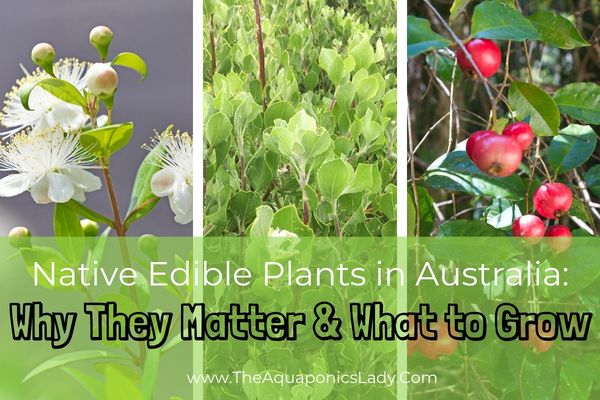
Native Edible Plants in Australia: Why They Matter and What to Grow

Australia is home to some of the most unique and resilient plants on Earth — and many of them aren’t just beautiful; they’re edible too.
For a long time, native plants were overlooked in home gardens in favour of imported herbs and vegetables. But that’s slowly changing, as more gardeners are discovering the incredible flavour, nutrition, and sustainability of growing food at home.
You don’t need to go fully “bush tucker” to make a difference.
Native edible plants, sometimes grouped under the term bush foods or bush tucker, include Australian plants traditionally used for their leaves, fruits, seeds, roots and other edible parts.
Many of these plants have been used as food by Indigenous Australians for thousands of years, with knowledge and preparation methods varying between Country and communities.
Even a few native herbs or fruiting shrubs can help support pollinators, reduce water use, and connect your garden to the ecosystem it belongs to.
Why native edibles matter
Native plants have evolved to suit Australian environments, with different species adapted to conditions ranging from dry inland regions to coastal and subtropical areas.
When matched to the right local conditions, many native plants can need less water, fewer fertilisers and less fuss than imported crops.
But the benefits go deeper:
They support native pollinators — local bees, butterflies, and birds rely on the flowers of native species for nectar and shelter.
They build resilience — natives handle droughts and heatwaves that often wipe out exotic veggies.
They help biodiversity — growing local species brings balance back to our gardens and supports natural ecosystems.
They taste amazing — from tangy finger limes to peppery leaves, native flavours are distinct, refreshing, and often nutrient-rich.
You don’t have to turn your whole garden native — even a few plants mixed among your usual veggies can make a big difference.
Native edible plants to try
Here are a few easy-to-grow native foods that suit a range of gardens, from small courtyards to large backyards.
Native herbs
Lemon myrtle (Backhousia citriodora): aromatic leaves with strong lemon scent — great in teas, dressings, or desserts.
Native thyme (Prostanthera incisa): small shrub with soft, aromatic leaves perfect for cooking and attracting bees.
Warrigal greens (Tetragonia tetragonioides): a hardy groundcover similar to spinach that loves coastal and warm areas. This is one of my favourites, both in wicking beds and my aquaponics systems. The leaves should be blanched in boiling water and the water discarded before eating to reduce their oxalate content.
River mint (Mentha australis): gentle mint flavour, less aggressive than common mint, and thrives near damp soil. But this never goes into one of my aquaponics systems because of its invasive root system.
Native fruits & berries
Finger lime: small citrus with sparkling, caviar-like beads inside — perfect for salads or seafood.
Lilly pilly: glossy shrubs with pink berries that make great jams and chutneys.
Muntries: low-growing shrubs with purple berries — sweet and slightly spicy.
Davidson’s plum: tropical-looking fruit trees that produce deep purple, tangy plums high in antioxidants.
Native vegetables & flavour plants
Bush tomatoes (Solanum centrale): a native Central Australian fruit traditionally used in Aboriginal food culture and now available commercially in sauces and spice blends. Only eat correctly identified edible species, as some native bush tomato species can be toxic.
Saltbush: silvery leaves with a mild salty flavour, ideal for cooking or adding to salads.
Karkalla (pigface): succulent groundcover with edible leaves and bright flowers, perfect for coastal gardens.
Blending native and exotic: finding balance
You don’t need to choose between native and exotic — they can live side by side beautifully.
Native species help stabilise your garden, providing habitat and resilience, while exotic vegetables like tomatoes, cucumbers, or lettuce give you the diversity of flavours you’re used to.
Try weaving them together:
Plant lemon myrtle or native thyme alongside basil and rosemary.
Grow warrigal greens near your lettuces — they’ll fill in gaps as summer heat sets in.
Use lilly pilly or saltbush hedges as living windbreaks to protect your more delicate crops.
This kind of garden feels alive — it hums with insects, birds, and the quiet rhythm of natural balance.
When native isn’t possible: aquaponics flexibility
Of course, not every climate suits every plant. Some native species prefer coastal humidity or mild winters, while others need sandy soil or heavy rainfall.
That’s where aquaponics offers an incredible advantage.
Because aquaponic systems are soilless, and indoor or protected systems can give you more control over growing conditions, they can open up opportunities to grow non-native plants or extend your growing season without relying on local soil conditions.
Depending on your setup and growing conditions, aquaponics may also help you extend the season for herbs, leafy greens and other crops, all while recycling water and nutrients within the system. Growing indoors with aquaponics can sometimes give you even more flexibility over what and when you grow.
So you can have the best of both worlds:
Native plants outdoors, supporting your ecosystem and pollinators.
Aquaponic herbs and greens indoors, providing consistent harvests year-round.
It’s sustainable, balanced, and kind to both the earth and your table.
Want to See if Aquaponics Could Work for You?
Get your free copy of the Urban Aquaponics eBook to help you decide if aquaponics is right for you, with practical information to help you get started on your journey.
Get inspired to start your aquaponics journey today.
Get your Free copy HERE
Grow Food That Works With Your Environment
Growing native edible plants isn’t just about food — it’s about connection.
To the land, to the local insects and birds, and to a way of gardening that respects where we live.
Add a few natives to your patch this season. Let them settle in, flower, and feed the world around them.
And if your garden’s too small or your climate too tricky, remember: aquaponics can fill the gaps while your natives keep the balance.
Together, they make a garden that feeds both you and the ecosystem you’re part of.
Learn More About Aquaponics
Check out the COURSES page to learn how you can get started with aquaponics now. Click HERE.
Want to get your Eyes and Hands on the FREE Online Aquaponics Essentials Course?
This is a great free resource to really understand how aquaponics is a sustainable ecosystem that will grow your organic food is a productive way.
You learn how all the 'parts' make up the 'whole', and helps to give you the foundations of understanding aquaponics.
Sign up HERE
Check out My YouTube Channel 'Candy The Aquaponics Lady'
Aquaponics is an ecosystem, and with anything it takes time to learn how it works. So, sit back and binge watch my 'how to' playlist and the 'Water Quality Made Simple' Playlist, and learn the next steps in your aquaponics system as you create the ecosystem.
Here are the next 2 videos I recommend you watching to create your ecosystem ~ before you add any fish
How Aquaponics Works as an Ecosystem
Why Aquaponics is the best, and most sustainable form of gardening in small spaces
Learn More About Aquaponics
Check out the COURSES page to learn how you can get started with aquaponics now. Click HERE.
Want to get your Eyes and Hands on the FREE Online Aquaponics Essentials Course?
This is a great free resource to really understand how aquaponics is a sustainable ecosystem that will grow your organic food is a productive way.
You learn how all the 'parts' make up the 'whole', and helps to give you the foundations of understanding aquaponics.
Sign up HERE
Want to help out and Feed my Fish?? (They don't drink coffee)

Candy Alexander is a dedicated aquaponics enthusiast with a wealth of formal training in aquaculture. Over the past 15 years, Candy has been deeply immersed in both commercial and backyard aquaponics, honing her skills and expertise in this sustainable farming method.
Candy's passion lies in making aquaponics accessible to everyone. With a mission to simplify aquaponics, she believes that anyone can embark on this sustainable journey.
She encourages those new to aquaponics to "kick the tires" without a significant financial investment. Her guidance focuses on helping people start their aquaponics journey with small-scale systems, ensuring a low barrier to entry for newcomers.
Candy shares practical tips, step-by-step guides, and personal stories to inspire and guide readers on their aquaponics adventure. Whether you're a seasoned farmer or a curious beginner, Candy Alexander is your go-to source for simplifying aquaponics and fostering a sustainable gardening experience.


