The Taste of Home: Why Home-Grown Food Tastes Better

When I was a kid, my grandparents lived on a dairy farm and grew everything they ate.
I’d follow my grandmother out into the garden, barefoot and happy, helping her pick dinner straight from the plants. Nothing in the world tasted as good as those strawberries, still warm from the sun, or tomatoes bursting with juice the moment you bit into them.
Everything was fresh, alive, and real. Food had flavour — not the kind that comes from a packet or a sauce bottle, but the kind that comes from the soil itself.
Years later, growing my own food has reminded me just how different home-grown fruit, vegetables and herbs can taste when they're picked fresh and eaten at their best.
“What Have They Done to Food?”
When I was sixteen, my grandmother came to live with us in the city after Pop passed away. One day, we went grocery shopping together.
She stopped dead in front of the “organic” section of the supermarket, staring at the sign. Then she turned to me and said quietly, “What have they done to food?”
Even now, decades later, I still think that’s one of the best questions I’ve ever heard.
Because somewhere along the way, food stopped being food.
Food That Looks Perfect — But Isn’t
Supermarket food doesn’t look real anymore. It looks perfect — all the same shape, size, and colour — but it doesn’t feel or taste real.
Many fruits and vegetables are bred not only for taste, but also for qualities like appearance, yield, firmness, transportability and shelf life. Sometimes, flavour can get lost among all those other priorities. And plenty of produce that doesn’t fit the specific standards — too small, too bent, too “ugly” — may never make it onto supermarket shelves.
We’ve traded flavour for uniformity.
And maybe that’s why we drown everything in sauces, dressings, and condiments now — to fill the gap that real food used to fill naturally. My Nan never used those. She didn’t need to. Her food was flavour.
Want to know what you can actually grow at home with aquaponics?
Aquaponics isn’t just for leafy greens. In this video, I share some of the vegetables you can grow and what’s possible when you start producing fresh food yourself.
When Food Tastes Alive
I stopped buying most of my vegetables from supermarkets years ago. Now, I grow my own — and when I need extras, I go to local farmers’ markets.
The difference is unbelievable.
The greens are vibrant. The herbs smell like summer. The fruit tastes alive. There’s texture, personality, and even imperfection — and I love every bit of it.
Recently, someone gave me a punnet of supermarket strawberries as a thank-you gift. They looked perfect — bright, uniform, almost shiny. But when I bit into one, there was nothing. No sweetness, no scent. Just… red.
A little later, I took that same person outside to my aquaponics system. I picked one of my own strawberries — smaller, a little uneven — and handed it to her.
The moment she bit into it, I could see the explosion of taste in her face. Her eyes said everything.
That’s what real food tastes like.
There are good reasons freshly picked produce can taste different. Fruit and vegetables harvested closer to peak ripeness haven't necessarily had to prioritise the same storage and transport requirements as produce travelling through a long supply chain. Variety, ripeness, growing conditions and freshness can all influence flavour.
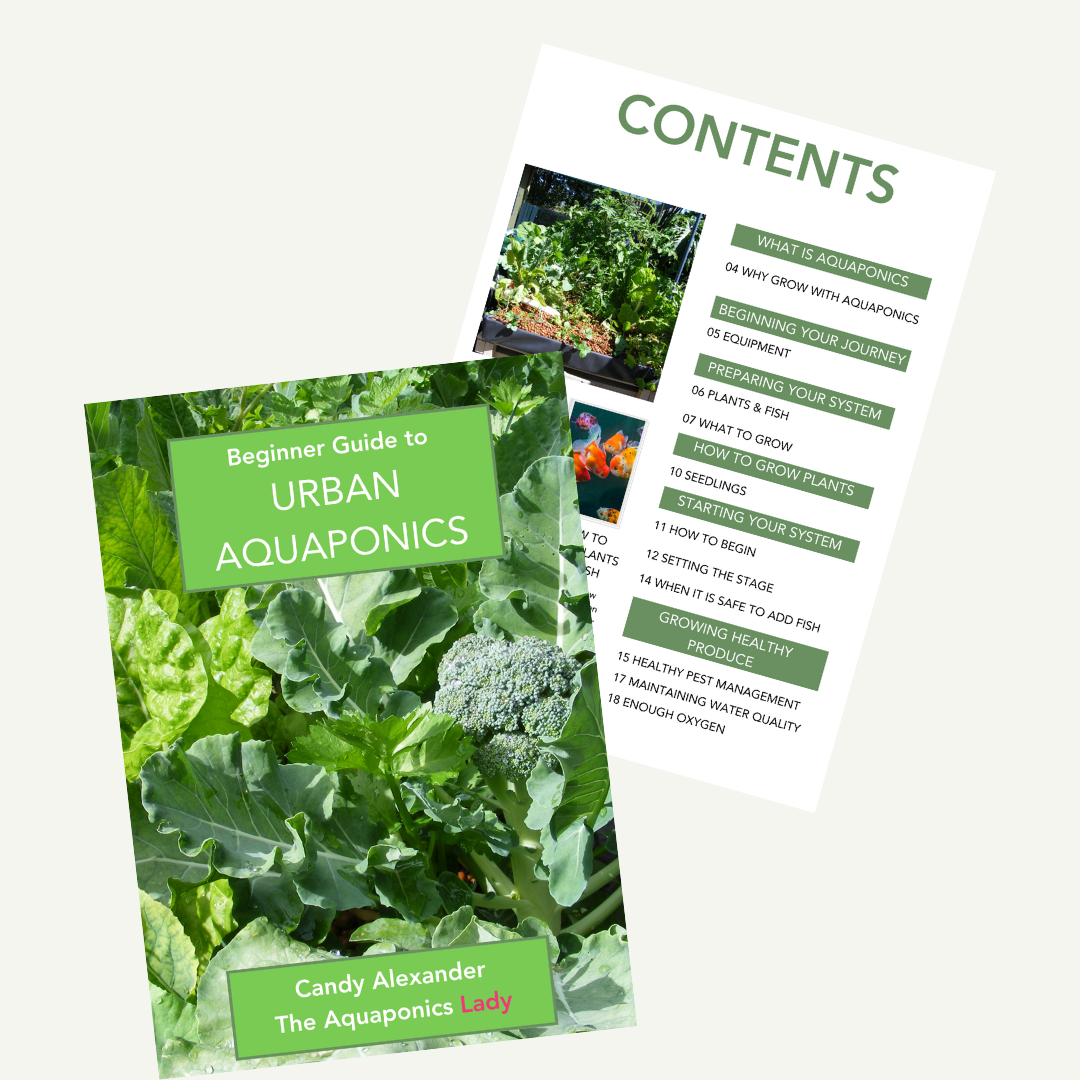
Ready to Grow Food That Tastes Like Food Again?
Get your free copy of the Urban Aquaponics eBook and discover whether aquaponics could help you start growing fresh food at home, even if you don't have a traditional garden.
Get inspired to start your journey today.
Get your Free copy HERE
Why Home-Grown Food Can Taste So Different
Growing your own food — whether in soil, pots, or aquaponics — reconnects you to something ancient and simple.
You pick food when it’s ripe, not when it’s convenient for shipping. You eat what’s in season, bursting with nutrients and life. You taste the difference between “fresh” and alive.
And you start to realise that food isn’t meant to be perfect — it’s meant to be.
Each mark, curl, or spot tells a story of sunshine, rain, bees, and growth. That’s what gives food its soul.
Just like us.
Think you need to be an experienced gardener to grow your own food? You really don’t.
Aquaponics can feel intimidating when you’re starting out, especially if you’ve never considered yourself good with plants. In this video, I talk through what aquaponics is really like for beginners, even if you’ve got a history of killing plants.
Flavour Is a Kind of Memory
When I taste something home-grown, it’s not just about flavour — it’s memory. It’s my Nan in her garden, my Pop on the tractor, the smell of fresh earth and the sound of birds in the morning, oh, and the freezing cold collecting the cows to be milked.
Real food connects us to our roots — literally and emotionally.
And maybe that’s why it matters so much now. Because when we grow food ourselves, or buy it from people who do, we’re not just feeding our bodies — we’re feeding our sense of belonging.
You Don't Need a Big Garden to Taste the Difference
You don't need acres of land or a huge veggie patch to rediscover home-grown flavour.
Start with something you already love eating. A pot of herbs near the kitchen, strawberries in a hanging basket, cherry tomatoes in a sunny corner, leafy greens in a small aquaponics system, or even microgreens on a windowsill.
Grow one thing, pick it fresh, and taste it.
Sometimes that's all it takes to remember what food can be.
And “growing your own” doesn’t have to mean building a huge backyard system.
There are small aquaponics setups that can work indoors or outside, making it possible to start with the space you already have. Here are a few simple home setups to show you what that can look like.
A Simple Invitation
If you haven’t tasted food straight from the garden in a while, find a way to.
Grow a tomato. Visit a local farmer’s market. Pick a strawberry that’s still warm from the sun.
You’ll never look at supermarket food the same way again.
Because once you’ve tasted what real food is meant to be, you’ll understand what my Nan meant all those years ago —
What have they done to food?
And you’ll know exactly how to bring it back.
Learn More About Aquaponics
Check out the COURSES page to learn how you can get started with aquaponics now. Click HERE.
Want to get your Eyes and Hands on the FREE Online Aquaponics Essentials Course?
This is a great free resource to really understand how aquaponics is a sustainable ecosystem that will grow your organic food is a productive way.
You learn how all the 'parts' make up the 'whole', and helps to give you the foundations of understanding aquaponics.
Sign up HERE
Check out My YouTube Channel 'Candy The Aquaponics Lady'
Aquaponics is an ecosystem, and with anything it takes time to learn how it works. So, sit back and binge watch my 'how to' playlist and the 'Water Quality Made Simple' Playlist, and learn the next steps in your aquaponics system as you create the ecosystem.
Here are the next 2 videos I recommend you watching to create your ecosystem ~ before you add any fish
How Aquaponics Works as an Ecosystem
Why Aquaponics is the best, and most sustainable form of gardening in small spaces
Learn More About Aquaponics
Check out the COURSES page to learn how you can get started with aquaponics now. Click HERE.
Want to get your Eyes and Hands on the FREE Online Aquaponics Essentials Course?
This is a great free resource to really understand how aquaponics is a sustainable ecosystem that will grow your organic food is a productive way.
You learn how all the 'parts' make up the 'whole', and helps to give you the foundations of understanding aquaponics.
Sign up HERE
Want to help out and Feed my Fish?? (They don't drink coffee)

Candy Alexander is a dedicated aquaponics enthusiast with a wealth of formal training in aquaculture. Over the past 15 years, Candy has been deeply immersed in both commercial and backyard aquaponics, honing her skills and expertise in this sustainable farming method.
Candy's passion lies in making aquaponics accessible to everyone. With a mission to simplify aquaponics, she believes that anyone can embark on this sustainable journey.
She encourages those new to aquaponics to "kick the tires" without a significant financial investment. Her guidance focuses on helping people start their aquaponics journey with small-scale systems, ensuring a low barrier to entry for newcomers.
Candy shares practical tips, step-by-step guides, and personal stories to inspire and guide readers on their aquaponics adventure. Whether you're a seasoned farmer or a curious beginner, Candy Alexander is your go-to source for simplifying aquaponics and fostering a sustainable gardening experience.


