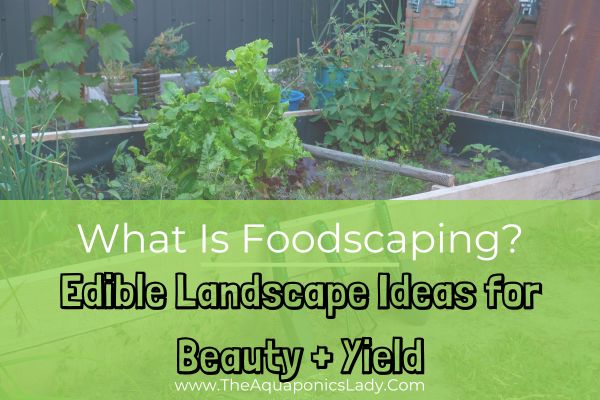
What Is Foodscaping? (Edible Landscape Ideas for Beauty + Yield)

For years, veggie gardens were hidden away in the back corner of the yard — rows of cabbages and carrots quietly doing their thing while the front garden got all the flowers and compliments.
But lately, more people are asking: why can’t my garden be both beautiful and edible?
That’s where foodscaping comes in, a simple idea that’s reshaping how we think about growing food at home.
What is foodscaping?
Foodscaping (also called edible landscaping) is the art of mixing ornamental and edible plants together to create gardens that are both productive and visually stunning.
Instead of separating “pretty” plants from “practical” ones, foodscaping blends them into one living design. You might see lettuce edging a flower bed, kale acting as a backdrop to marigolds, or a climbing bean twisting up a trellis of passionfruit and jasmine.
It’s gardening that looks like art, but it still fills your plate.
Why Foodscaping Is Perfect for Small Australian Gardens?
Beyond the obvious “it looks gorgeous,” there are some strong reasons to rethink your layout, especially in Australian backyards where space, water, and heat can all be limiting factors.
It saves space.
You don’t need a dedicated veggie patch. Your front yard, side path, balcony, or flower bed can double as a food source. Foodscaping works beautifully in small-space edible gardens.It attracts pollinators.
When flowers and herbs share the same space, bees, butterflies, and beneficial insects thrive. Mixing vegetables and flowers improves pollination and boosts yields naturally.It builds soil diversity.
Different root structures and plant families improve soil structure and microbial health, creating a more resilient edible garden design.It encourages sustainability.
The more you grow at home, even small amounts, the less packaging, transport, and waste from store-bought produce.It’s good for the soul.
There’s something deeply rewarding about stepping outside to pick a handful of basil or cherry tomatoes, surrounded by colour and life.
In many parts of Australia, water-wise plant choices also matter. Choosing drought-tolerant herbs like rosemary, thyme, and oregano can keep your garden productive even during dry seasons.
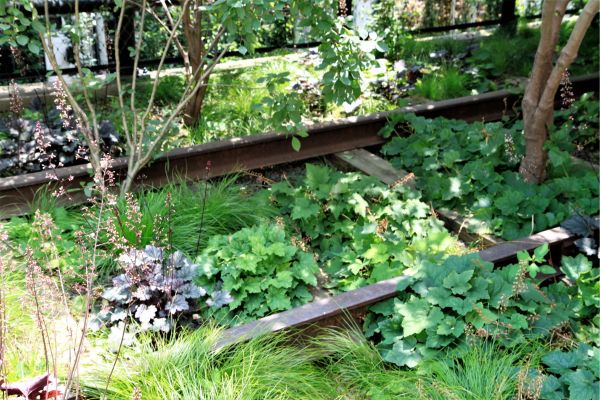
How to Start Foodscaping in Your Own Garden
You don’t need to redesign your whole yard. Start small, just blend a few edible landscape plants into your existing garden.
1. Use herbs as border plants
Rosemary, thyme, chives, and oregano make excellent edging plants. They’re hardy, smell amazing, and create soft lines between pathways and beds.
Bonus: Brushing past them releases a scent that can help deter some insects naturally.
2. Swap ornamentals for colourful edibles
Think rainbow chard, red mustard, purple basil, or curly kale. These add as much texture and colour as any decorative plant while giving you something to harvest.
A beautiful vegetable garden doesn’t have to look traditional; colour alone can transform an ornamental veggie garden into a feature.
3. Mix flowering plants for function and beauty
Marigolds can help deter pests. Nasturtiums attract pollinators and are edible too; their leaves and flowers have a peppery bite.
Calendula and alyssum help fill gaps and add long-lasting blooms, keeping your front yard food garden vibrant year-round.
4. Add structure with edible climbers
Use fences, arbors, and trellises for climbing beans, cucumbers, or passionfruit. Vertical growth keeps things tidy while increasing yield without taking up extra ground space.
5. Blend fruit trees into the design
Dwarf citrus, figs, and mulberries can be pruned to shape and used as small shade trees or focal points. Surround them with lower herbs and edible groundcovers like sweet potato or strawberries.
This layered approach creates depth and visual interest while maximising production.
Best Edible Plants for Foodscaping in Australia
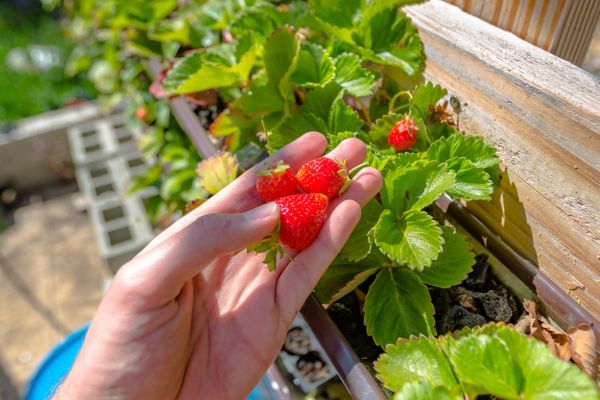
If you’re not sure where to begin, here are some edible landscape plants that work beautifully in Australian gardens:
Rainbow chard
Purple basil
Kale
Nasturtiums
Dwarf citrus
Strawberries
Sweet potato
Capsicum
Rosemary
Thyme
Choose varieties suited to your climate zone and plan for seasonal rotation so there’s always something flowering, fruiting, or producing foliage throughout the year.
What about aquaponics and foodscaping?
Aquaponics is brilliant for producing dense yields in small spaces, especially leafy greens, herbs, and fruiting plants like broccoli, corn, and capsicums.
If you're new to aquaponics, you can learn the basics here: How to Start Aquaponics
And if you’d like to understand how the system stays balanced: Understanding the Nitrification Cycle in Aquaponics
But let’s be honest, aquaponic systems are usually designed for function, not form. Pipes, tanks, and grow beds aren’t always the most decorative feature in your front yard.
That’s okay, because foodscaping doesn’t replace aquaponics; it complements it.
Use aquaponic-grown herbs and greens to fill gaps in your foodscape quickly.
Create a rhythm: harvest from aquaponics while your soil plants establish, then alternate.
Grow ornamental edibles like purple basil or rainbow chard in your system to create visual cohesion.
You can even tuck small aquaponic grow towers or decorative pond systems among your beds, turning them into living water features that happen to feed you.
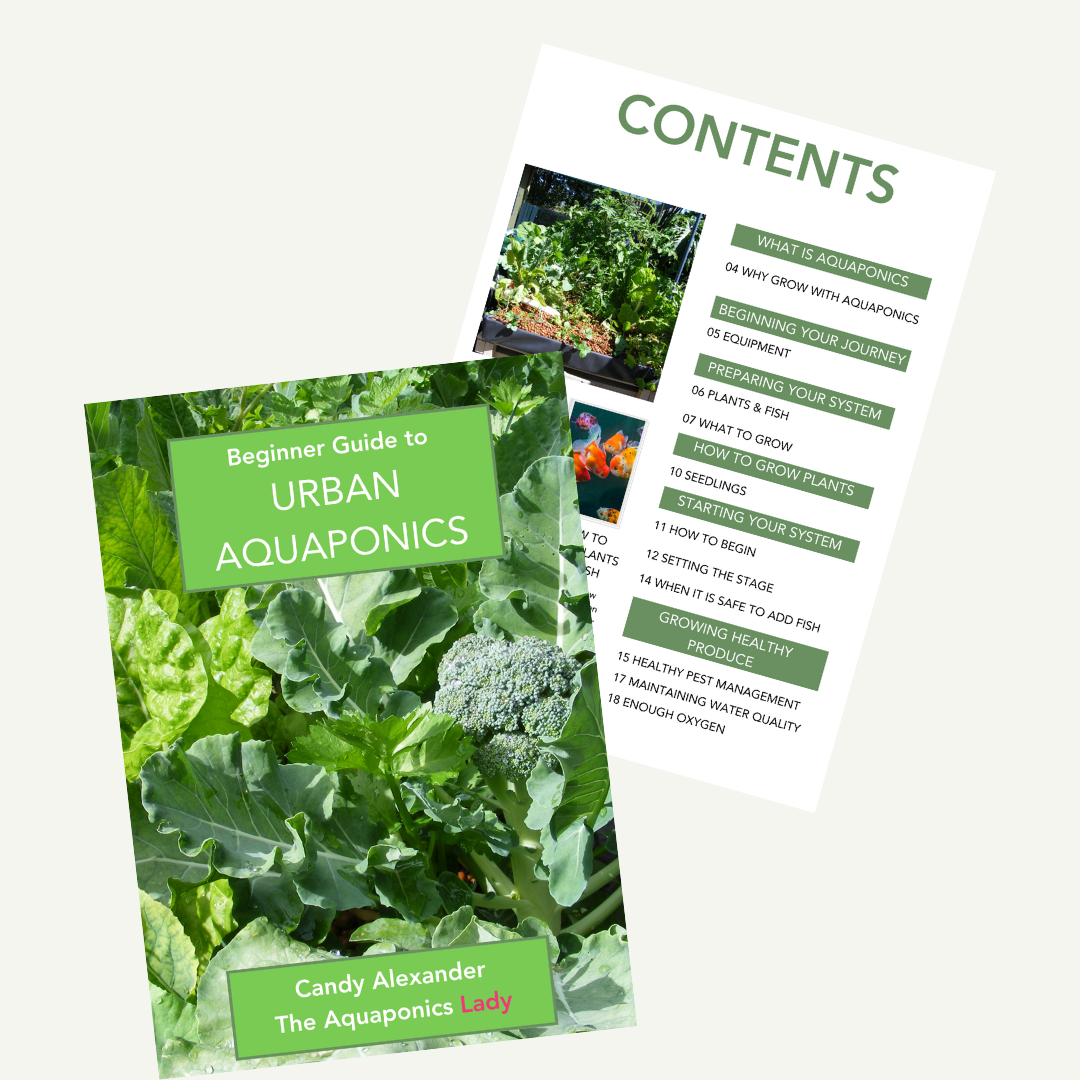
Curious About Growing Food in Small Spaces?
If foodscaping has opened your eyes to new possibilities, imagine adding a water-powered system that grows food efficiently in even the smallest spaces.
My free Urban Aquaponics eBook will help you:
Decide if aquaponics fits your lifestyle
Understand the basics in simple terms
Take your first step with clarity and confidence
It’s a gentle introduction to growing food in a way that feels intentional, sustainable, and deeply rewarding.
Get your Free copy HERE
Tips for designing your own foodscape
Think layers: trees → shrubs → herbs → groundcovers.
Choose colour intentionally: greens, purples, reds, and yellows can make your garden look like a living painting.
Keep pathways clear: use stepping stones or gravel to make harvests easy and prevent soil compaction.
Recycle carefully: old pots, timber, or troughs are great, but avoid materials that can leach chemicals into soil.
Plan for year-round interest: mix plants that fruit, flower, or produce foliage in different seasons.
If you’re planting in a front yard in Australia, it’s also worth checking local council regulations; some areas have specific guidelines around verge planting or water use.
Why Foodscaping Is the Future of Home Gardening
Foodscaping brings joy back into growing; it blurs the line between utility and beauty. You don’t have to choose between a neat ornamental garden and a productive veggie patch. You can have both.
Even a few pots of herbs near your roses, or a border of lettuce around your lavender, count as foodscaping. It’s all about connection, to the earth, to what you eat, and to the living landscape you’re creating right outside your door.
And whether your garden runs on soil or on fish-powered water, every plant you grow with intention adds something beautiful to your plate and your world.
Learn More About Aquaponics
Check out the COURSES page to learn how you can get started with aquaponics now. Click HERE.
Want to get your Eyes and Hands on the FREE Online Aquaponics Essentials Course?
This is a great free resource to really understand how aquaponics is a sustainable ecosystem that will grow your organic food is a productive way.
You learn how all the 'parts' make up the 'whole', and helps to give you the foundations of understanding aquaponics.
Sign up HERE
Check out My YouTube Channel 'Candy The Aquaponics Lady'
Aquaponics is an ecosystem, and with anything it takes time to learn how it works. So, sit back and binge watch my 'how to' playlist and the 'Water Quality Made Simple' Playlist, and learn the next steps in your aquaponics system as you create the ecosystem.
Here are the next 2 videos I recommend you watching to create your ecosystem ~ before you add any fish
How Aquaponics Works as an Ecosystem
Why Aquaponics is the best, and most sustainable form of gardening in small spaces
Learn More About Aquaponics
Check out the COURSES page to learn how you can get started with aquaponics now. Click HERE.
Want to get your Eyes and Hands on the FREE Online Aquaponics Essentials Course?
This is a great free resource to really understand how aquaponics is a sustainable ecosystem that will grow your organic food is a productive way.
You learn how all the 'parts' make up the 'whole', and helps to give you the foundations of understanding aquaponics.
Sign up HERE
Want to help out and Feed my Fish?? (They don't drink coffee)

Candy Alexander is a dedicated aquaponics enthusiast with a wealth of formal training in aquaculture. Over the past 15 years, Candy has been deeply immersed in both commercial and backyard aquaponics, honing her skills and expertise in this sustainable farming method.
Candy's passion lies in making aquaponics accessible to everyone. With a mission to simplify aquaponics, she believes that anyone can embark on this sustainable journey.
She encourages those new to aquaponics to "kick the tires" without a significant financial investment. Her guidance focuses on helping people start their aquaponics journey with small-scale systems, ensuring a low barrier to entry for newcomers.
Candy shares practical tips, step-by-step guides, and personal stories to inspire and guide readers on their aquaponics adventure. Whether you're a seasoned farmer or a curious beginner, Candy Alexander is your go-to source for simplifying aquaponics and fostering a sustainable gardening experience.


