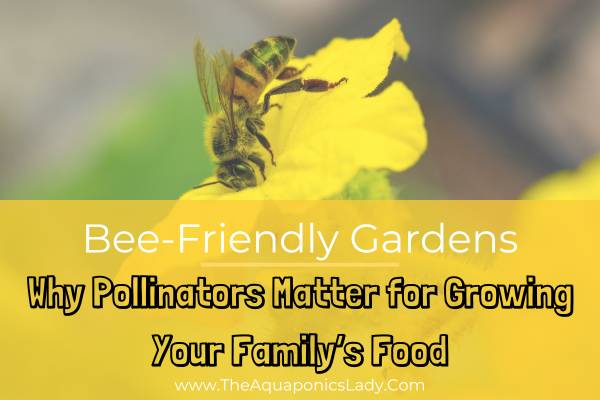
Bee-Friendly Gardens: Why Pollinators Matter for Growing Your Family’s Food

I used to think bees were the enemy. Out to sting me at every opportunity, buzzing with menace around anything sweet. I’d freeze, wave my arms wildly, and generally behave like a walking “how not to react” video.
Then one day, I learned something that changed everything: bees are not actually interested in me at all. Bees play a vital role in pollination, which directly affects how much food we can grow at home, whether in soil, containers, or aquaponics systems.
I am not their food, nor their threat, unless I startle them or get in their way. If I leave them alone to do their job, they’ll leave me alone to do mine.
And their job? It’s one of the most important on the planet.

The Buzz About Bees
Bees are one of the most important pollinators on the planet and are responsible for pollinating about one-third of the food we eat.
That’s right, one in every three bites.
Without bees and other pollinators, we’d have far fewer fruits, vegetables, and herbs. Imagine a world without strawberries, pumpkins, or tomatoes. Even chocolate would be in trouble (yikes).
Pollination is how plants reproduce. Bees visit a flower to collect nectar, and in the process, carry pollen from one flower to another, allowing the plant to make fruit or seeds. It’s simple, brilliant, and ancient.
And they do it all for free.
If bees disappeared, we’d have to hand-pollinate crops, literally pay humans to go flower by flower with tiny brushes. And humans would probably expect a few cookies for their trouble.

Working Together: Bees and the Backyard Garden
When we grow food at home, even just a few pots of herbs or veggies, we become part of the same system bees rely on. They need us to plant flowers and food that feed them, and we need them to pollinate our plants so we can eat.
It’s the ultimate teamwork.
Whether you grow in soil or aquaponics, pollinators still play a role in helping your food thrive. They visit basil, tomatoes, strawberries, cucumbers, and more, even those growing in aquaponic beds. I often see them resting near my systems, drinking from little pools of water that form on the edges of grow beds.
Bees Need Water Too

Here’s something many people don’t know: bees get thirsty. Bees need shallow, safe water sources because they can easily drown in deep containers.
On hot days, they need somewhere safe to land and sip water. I always keep a shallow bowl outside filled with marbles and water. The marbles give them a safe place to stand without drowning.
Sometimes, I even use a corner of my aquaponics system, the grow bed gravel holds tiny pools of water where they can drink safely. It’s a small gesture, but it helps keep them hydrated and healthy.
And yes, bees can get a little intoxicated on nectar sometimes; you might see them wobble like tiny, happy pilots. I like to think they’re celebrating a good day at work.
How to Make Your Garden Bee-Friendly
Even if you only have a balcony or a small patch of garden, you can create a haven for bees and other pollinators using pollinator-friendly plants. Here are a few easy steps:
Plant for all seasons. Bees need flowers throughout the year. Herbs like basil, thyme, and rosemary are great bee-friendly plants for small gardens because they flower regularly.
Avoid pesticides. Many sprays harm bees or confuse their sense of direction. Choose natural pest control instead, as part of more sustainable gardening practices (companion planting works wonders).
Provide water. A bowl with marbles or pebbles gives bees a safe place to drink.
Let some plants go to flower. When your lettuce or basil bolts, let a few flowers bloom; they’re bee buffets!
Add colour. Bees love blue, purple, white, and yellow flowers.
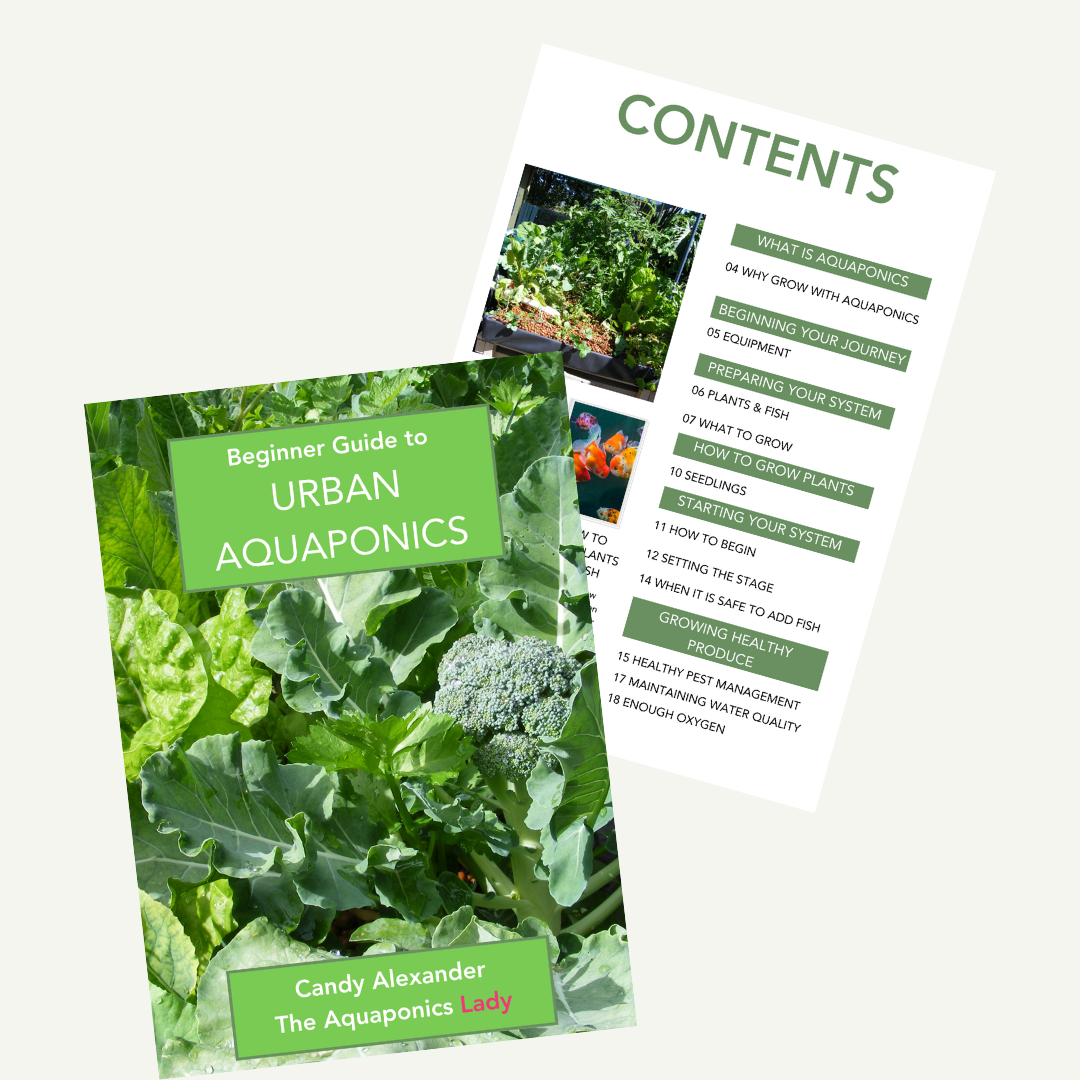
Curious About Growing Food with Aquaponics?
Get your free copy of the Urban Aquaponics eBook, designed to help you decide whether aquaponics is right for you, and to give you simple, practical information to get started growing food at home.
If you’re curious about a low-impact way to grow food that works with nature, aquaponics can be a gentle place to begin.
Get inspired to start your journey today.
When you start noticing bees in your garden, these small choices stop feeling like chores and start feeling like quiet moments of connection.
The Bigger Picture
Once you understand how much bees do for us, it’s hard not to fall in love with them. They’re gentle, tireless workers who keep our gardens and our food supply alive.
These days, when I see a bee buzzing around my garden, I don’t panic. I pause.
Because I know we’re both there for the same reason: food, life, and growth.
Bees remind me that when each part of nature does its job, the whole system thrives.
They don’t overthink it. They just show up, do their work, and trust that the flowers will keep blooming.
And maybe that’s something we humans can learn from, too.
If this post sparked something in you, you might enjoy learning how aquaponics can help you grow food with less stress, less waste, and more connection to nature.
Learn More About Aquaponics
Check out the COURSES page to learn how you can get started with aquaponics now. Click HERE.
Want to get your Eyes and Hands on the FREE Online Aquaponics Essentials Course?
This is a great free resource to really understand how aquaponics is a sustainable ecosystem that will grow your organic food is a productive way.
You learn how all the 'parts' make up the 'whole', and helps to give you the foundations of understanding aquaponics.
Sign up HERE
Check out My YouTube Channel 'Candy The Aquaponics Lady'
Aquaponics is an ecosystem, and with anything it takes time to learn how it works. So, sit back and binge watch my 'how to' playlist and the 'Water Quality Made Simple' Playlist, and learn the next steps in your aquaponics system as you create the ecosystem.
Here are the next 2 videos I recommend you watching to create your ecosystem ~ before you add any fish
How Aquaponics Works as an Ecosystem
Why Aquaponics is the best, and most sustainable form of gardening in small spaces
Learn More About Aquaponics
Check out the COURSES page to learn how you can get started with aquaponics now. Click HERE.
Want to get your Eyes and Hands on the FREE Online Aquaponics Essentials Course?
This is a great free resource to really understand how aquaponics is a sustainable ecosystem that will grow your organic food is a productive way.
You learn how all the 'parts' make up the 'whole', and helps to give you the foundations of understanding aquaponics.
Sign up HERE
Want to help out and Feed my Fish?? (They don't drink coffee)

Candy Alexander is a dedicated aquaponics enthusiast with a wealth of formal training in aquaculture. Over the past 15 years, Candy has been deeply immersed in both commercial and backyard aquaponics, honing her skills and expertise in this sustainable farming method.
Candy's passion lies in making aquaponics accessible to everyone. With a mission to simplify aquaponics, she believes that anyone can embark on this sustainable journey.
She encourages those new to aquaponics to "kick the tires" without a significant financial investment. Her guidance focuses on helping people start their aquaponics journey with small-scale systems, ensuring a low barrier to entry for newcomers.
Candy shares practical tips, step-by-step guides, and personal stories to inspire and guide readers on their aquaponics adventure. Whether you're a seasoned farmer or a curious beginner, Candy Alexander is your go-to source for simplifying aquaponics and fostering a sustainable gardening experience.


