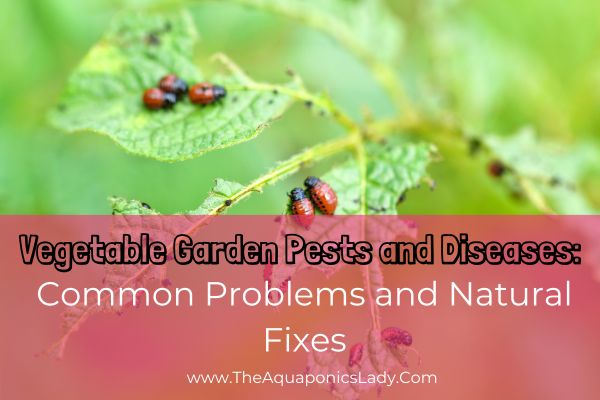
Vegetable Garden Pests and Diseases: Common Problems and Natural Fixes

Every gardener knows that sinking feeling — one day your plants are thriving, and the next, the leaves are curling, holes are appearing, or something mysterious is crawling across your kale.
Don’t panic! Every healthy garden has its share of visitors. The key is knowing who’s who, spotting the signs early, and acting before things get out of hand.
And if you’re growing with aquaponics, the good news is that many soil-based pests are less of a problem, although there are still a few leaf-loving visitors and water-related issues to watch for.
Here’s a Q&A guide to help you troubleshoot the most common veggie garden pests and diseases — and keep your plants strong naturally.
Why Are My Leaves Curling and Sticky?
Likely culprit: Aphids.
These tiny sap-suckers cluster on the undersides of leaves and new shoots, often in shades of green, brown, or black. They secrete a sticky residue called honeydew, which can attract ants and cause black sooty mould to grow.
Fix it naturally:
Rinse them off with a strong jet of water.
Spray with diluted neem oil or a mix of soap and water (1 tsp mild liquid soap per litre).
Encourage beneficial insects like ladybugs and lacewings — they love an aphid buffet.
Why Did My Seedlings Disappear Overnight?
Likely culprit: Slugs or snails.
They sneak out at night and munch through tender young plants, leaving behind shiny trails.
Fix it naturally:
Set beer traps — shallow containers with beer attract and drown them.
Create barriers with crushed eggshells or coffee grounds.
Go on evening patrols with a torch and remove them by hand.
Find out more benefits of adding eggshells to your aquaponics setup:
What Causes White Powder or Spots on Leaves?
Likely culprit: Powdery mildew or fungal leaf spots.
These thrive in humid, still conditions, especially on cucumbers, zucchinis, pumpkins, and peas.
Fix it naturally:
Improve airflow — prune overcrowded plants and water early so leaves dry quickly.
Try a milk spray (1 part milk to 9 parts water) every few days — it helps suppress fungus.
Rotate crops each season to avoid disease build-up.
Why Do My Tomatoes or Zucchinis Have Black Ends?
Likely culprit: Blossom end rot.
Not a pest, but a calcium imbalance caused by irregular watering or rapid growth during heatwaves.
Fix it naturally:
Water deeply and evenly — don’t let the soil swing between soaking and bone-dry.
Add a little crushed eggshell or garden lime to improve calcium levels.
Mulch to keep soil moisture consistent.
Read more helpful advice about growing zucchinis in aquaponics.
What Is Eating Holes in My Cabbage and Kale?
Likely culprit: Caterpillars (cabbage white butterflies).
These little green munchers hide underneath leaves and can devastate brassicas quickly.
Fix it naturally:
Cover crops with fine insect netting right after planting.
Pick off caterpillars by hand.
Use Bacillus thuringiensis (Bt), a natural bacterium that targets caterpillars but doesn’t harm beneficial insects.
Grow sacrificial plants like nasturtiums nearby to draw them away.
Watch this video on whether soil-less aquaponics is possible:
Why Are My Plants Wilting Even When the Soil Is Moist?
Possible causes:
Root rot from poor drainage or overwatering.
Fungal disease, such as Fusarium wilt.
Nematodes (tiny soil worms) are damaging roots.
Fix it naturally:
Check drainage — soggy roots can’t breathe.
Add compost and organic matter to improve soil structure.
Rotate crops yearly, and solarise soil (cover with clear plastic for a few weeks) if nematodes are a known issue.
What Are the Tiny Black Bugs on My Plants?
Likely culprit: Flea beetles or thrips.
They cause tiny holes or silver streaks on leaves, particularly in hot, dry weather.
Fix it naturally:
Dust plants with diatomaceous earth or fine clay powder.
Plant trap crops like radish to lure them away.
Maintain consistent soil moisture — stressed plants attract more pests.
Can Aquaponics Systems Get Pests and Diseases Too?
Yes — but they’re a little different.
Aquaponics systems are mostly protected from soil-based pests, which means no slugs, snails, or root nematodes. However, they have their own quirks to watch for:
Aphids and whitefly can still appear on leaves — use gentle organic sprays safe for fish (avoid harsh oils or soaps that might enter the water).
Waterborne pathogens (like root rot bacteria) can spread quickly if oxygen levels are low or filters get dirty.
Fish health directly affects plant health — stressed fish produce less waste, reducing nutrient flow.
Prevent issues by:
Keeping water aerated and clean.
Maintaining balanced pH and nutrient levels.
Removing decaying plant matter promptly.
The beauty of aquaponics is that pests are easier to monitor — no hidden soil dwellers, no weeding, and almost no chemical sprays needed.
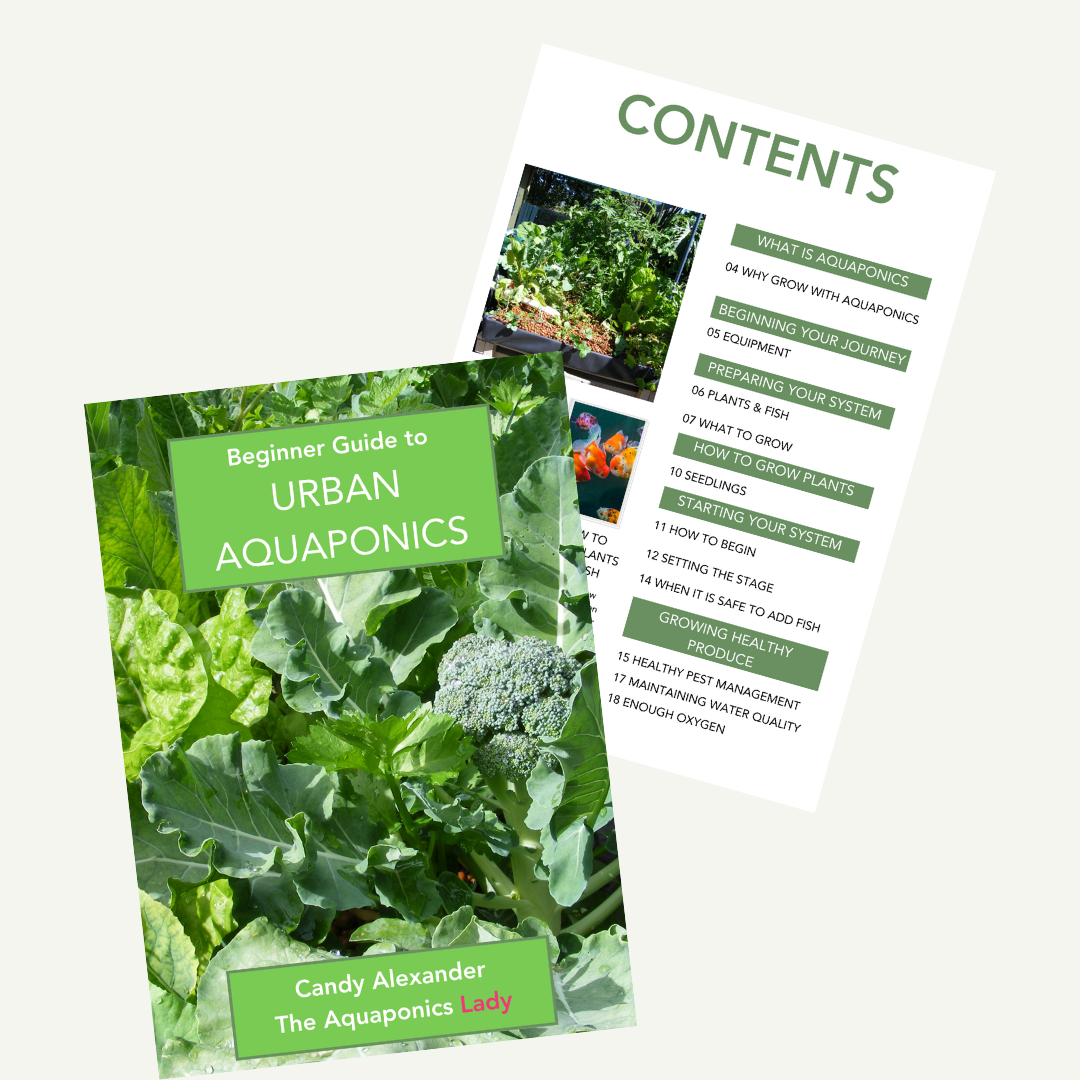
Want Fewer Soil Pests in Your Growing Space?
Growing with aquaponics can help reduce some of the common soil-based problems that make veggie gardening feel frustrating, from slugs and snails to hidden root pests.
If you’re curious about growing fresh food at home in a cleaner, more contained way, download your free copy of the Urban Aquaponics eBook. It will help you understand whether aquaponics is right for you and give you the basic information you need to start your journey.
Get your Free copy HERE
Gentle Pest Control Starts With Observation
Every garden has its ups and downs. The key is to see pests and diseases not as failures, but as feedback. They tell you when your plants are stressed, your soil’s off balance, or your watering needs adjusting.
It also helps to get familiar with the bigger pests in your local area. Depending on where you live, that might mean rats, possums, rabbits, deer, raccoons, or other wildlife that sees your garden as an easy snack.
Stay curious, observe closely, and remember — nature wants balance, not battle.
Whether you grow in rich soil or a flowing aquaponic system, gentle, organic care always leads to stronger plants and fewer problems in the long run.
Learn More About Aquaponics
Check out the COURSES page to learn how you can get started with aquaponics now. Click HERE.
Want to get your Eyes and Hands on the FREE Online Aquaponics Essentials Course?
This is a great free resource to really understand how aquaponics is a sustainable ecosystem that will grow your organic food is a productive way.
You learn how all the 'parts' make up the 'whole', and helps to give you the foundations of understanding aquaponics.
Sign up HERE
Check out My YouTube Channel 'Candy The Aquaponics Lady'
Aquaponics is an ecosystem, and with anything it takes time to learn how it works. So, sit back and binge watch my 'how to' playlist and the 'Water Quality Made Simple' Playlist, and learn the next steps in your aquaponics system as you create the ecosystem.
Here are the next 2 videos I recommend you watching to create your ecosystem ~ before you add any fish
How Aquaponics Works as an Ecosystem
Why Aquaponics is the best, and most sustainable form of gardening in small spaces
Learn More About Aquaponics
Check out the COURSES page to learn how you can get started with aquaponics now. Click HERE.
Want to get your Eyes and Hands on the FREE Online Aquaponics Essentials Course?
This is a great free resource to really understand how aquaponics is a sustainable ecosystem that will grow your organic food is a productive way.
You learn how all the 'parts' make up the 'whole', and helps to give you the foundations of understanding aquaponics.
Sign up HERE
Want to help out and Feed my Fish?? (They don't drink coffee)

Candy Alexander is a dedicated aquaponics enthusiast with a wealth of formal training in aquaculture. Over the past 15 years, Candy has been deeply immersed in both commercial and backyard aquaponics, honing her skills and expertise in this sustainable farming method.
Candy's passion lies in making aquaponics accessible to everyone. With a mission to simplify aquaponics, she believes that anyone can embark on this sustainable journey.
She encourages those new to aquaponics to "kick the tires" without a significant financial investment. Her guidance focuses on helping people start their aquaponics journey with small-scale systems, ensuring a low barrier to entry for newcomers.
Candy shares practical tips, step-by-step guides, and personal stories to inspire and guide readers on their aquaponics adventure. Whether you're a seasoned farmer or a curious beginner, Candy Alexander is your go-to source for simplifying aquaponics and fostering a sustainable gardening experience.


