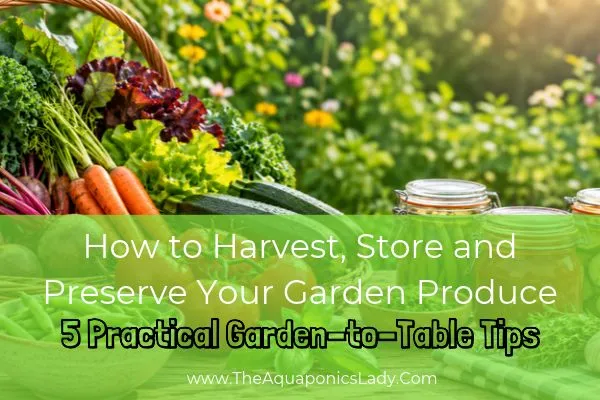
How to Harvest, Store and Preserve Your Garden Produce

There’s something deeply satisfying about walking out to your garden and coming back with a basket full of food.
It’s not just the freshness — it’s the connection. You know how that tomato was grown, which plant gave it, and how many times you checked it, watered it, and quietly hoped it would ripen before the bugs noticed.
But growing food is only part of the story.
Learning when to harvest garden produce, how to store fresh vegetables, and how to preserve or cook what you grow is where gardening turns into true sustainability.
Let’s explore how to make the most of every harvest — from the moment you pick to the last delicious bite.
If you're still planning what to grow, our Family Food Garden Plan can help you choose crops that suit your family's tastes, space and lifestyle.
1. When to Harvest Garden Vegetables for the Best Flavour
Timing makes all the difference between “pretty good” and “perfectly ripe.”
Most vegetables taste best when picked young and tender — not necessarily at their biggest.
A few quick guides:
Tomatoes: Pick when fully coloured and slightly soft; they’ll continue to ripen off the vine.
Zucchini: Harvest at 15–20 cm (6–8 inches) long for the best flavour and texture.
Lettuce and spinach: Snip outer leaves regularly to encourage continuous growth.
Carrots: Harvest carrots when the shoulders reach the expected size for their variety.
Beetroots: Beetroot is often sweetest and most tender when harvested young, around golf-ball to tennis-ball size.
Beans and peas: Harvest while pods are still flexible and seeds inside are soft.
Herbs: Pick leaves in the morning after dew dries but before full sun — the oils are most concentrated then.
Tip: Regularly harvesting crops like beans, zucchini and leafy greens can encourage continued production. The more you pick from these plants, the more they may give!
2. How to Store Fresh Garden Produce
Once picked, produce starts losing moisture and nutrients quickly. The goal is to slow that process down.
Leafy greens: Rinse, pat dry, and store in an airtight container or bag with a paper towel.
Root vegetables: Remove leafy tops from carrots and beetroot to prevent moisture loss, then store the roots in the fridge. Potatoes and sweet potatoes prefer a cool, dark, dry location with good airflow.
Herbs:
Soft herbs (like basil or parsley) do best in a glass of water on the bench or in the fridge.
Woody herbs (like rosemary and thyme) can be wrapped in paper towel and kept in a sealed jar.
Tomatoes: Allow tomatoes to ripen at room temperature. Once fully ripe, refrigerate them if you aren't eating them straight away, especially in warmer weather. Bring them back to room temperature before serving for better flavour.
If you grow aquaponically, your leafy greens may have less soil residue to remove after harvesting. However, just like traditionally grown vegetables, keeping your harvest fresh comes down to how carefully you handle, wash and store it. Refrigerating leafy greens promptly can help maintain their crispness and reduce waste.
3. How to Preserve Your Garden Harvest
When your garden explodes with produce, preserving lets you capture that summer (or winter) goodness for months ahead.
And the good news? You don't need a fancy setup to get started. From freezing herbs to making homemade sauces and refrigerator pickles, there are plenty of simple ways to make your garden harvest last longer.
And if your harvest is bigger than you can use, sharing your surplus with others is another wonderful way to reduce waste and build a stronger community. Discover more in our article on Saving Seeds, Sharing Harvests: Building Food Resilience Together.
Pickling and Fermenting Vegetables
Pickling and fermenting are two popular ways to make the most of excess garden vegetables.
Pickling typically uses vinegar to give vegetables a tangy flavour, while fermenting relies on beneficial microorganisms to transform vegetables over time.
Cucumbers, carrots, cabbage and beans are popular choices for preserving. You can also experiment with herbs, garlic and chilli for extra flavour.
Tip: Always follow a tested pickling or fermentation recipe with the correct ingredient ratios and storage instructions. This helps ensure your homemade preserves are safe to enjoy.
Making Homemade Sauces and Relishes
Making sauces, relishes and chutneys is a great way to use tomatoes or capsicums that are slightly past their best but still safe to eat.
A few simple ideas:
Turn excess tomatoes into passata, salsa or chutney.
Combine capsicum, onion and vinegar for a sweet relish that lifts any meal.
Freeze extra batches for later, or follow a tested recipe and the appropriate safe preserving method if you want to store jars at room temperature.
Drying and Freezing Fresh Herbs
Dry herbs in a shaded, airy spot or in a dehydrator. Once crisp, crumble and store in jars.
Alternatively, freeze chopped herbs in olive oil using ice cube trays, then transfer the frozen portions to a labelled freezer-safe container. Freeze them promptly rather than leaving fresh herbs in oil at room temperature. They're instant flavour bombs for cooking later!
How to Freeze Garden Vegetables
Freezing vegetables is one of the easiest ways to preserve excess garden produce.
Blanching (a quick dip in boiling water followed by rapid cooling) helps slow the enzyme activity that affects flavour, colour and texture during frozen storage.
It's particularly useful for vegetables like beans, broccoli, corn and peas.
Once cooled and drained, portion your vegetables into freezer-safe bags or containers, label them with the date and freeze for easy meals later.
4. Simple Ways to Cook With Garden Produce
Freshly harvested, home-grown produce can bring incredible flavour to everyday meals. And the best part? You don't need complicated recipes to make the most of what you've grown.
A few simple ideas:
Toss fresh herbs through roasted veggies or pasta for instant lift.
Use silverbeet, kale, or spinach in savoury muffins, frittatas, or soups.
Slice zucchini and eggplant into ribbons for quick summer salads or grills.
Make a stir-fry of snow peas, beans, and garlic shoots straight from the garden.
Turn soft herbs and olive oil into a quick green sauce or pesto — freeze extras for later.
If you're growing vegetables aquaponically, another benefit is harvesting produce without having to remove soil from the roots and leaves. That can make preparing your harvest a little less messy! Just remember to wash your freshly picked vegetables under clean running water before cooking or eating them.
5. Mindful Eating and the Rewards of Growing Your Own Food
Harvesting your own food changes how you eat.
You waste less because you know the care that went into each leaf and fruit.
You experiment more, tasting new herbs and preserving old favourites.
And perhaps most importantly — it reconnects you to the rhythm of growth and gratitude.
Whether you’re pulling carrots from rich soil or snipping mint from your aquaponic grow bed, each meal becomes a quiet act of appreciation for what the earth (and water) provides.
Growing your own food can also be a mindful experience, giving you opportunities to slow down, connect with nature and appreciate the work that goes into every harvest.
Making the Most of Every Garden Harvest
Gardening doesn’t end at harvest — it transforms into nourishment, creativity, and self-sufficiency.
Learning to store and use what you grow is one of the most fulfilling parts of the cycle.
So, celebrate every harvest — big or small.
Pick what you need, preserve what you can, share the rest, and taste the joy that only home-grown food can bring.
And whether your food comes from a traditional garden or an aquaponics system, there's something wonderful about knowing you helped grow what's on your plate. It's where technology, tradition and a little gardening love come together.
Learn More About Aquaponics
Check out the COURSES page to learn how you can get started with aquaponics now. Click HERE.
Want to get your Eyes and Hands on the FREE Online Aquaponics Essentials Mini Course?
This is a great free resource to really understand how aquaponics is a sustainable ecosystem that will grow your organic food is a productive way.
You learn how all the 'parts' make up the 'whole', and helps to give you the foundations of understanding aquaponics.
Sign up HERE
Check out My YouTube Channel 'Candy The Aquaponics Lady'
Aquaponics is an ecosystem, and with anything it takes time to learn how it works. So, sit back and binge watch my 'how to' playlist and the 'Water Quality Made Simple' Playlist, and learn the next steps in your aquaponics system as you create the ecosystem.
Here are the next 2 videos I recommend you watching to create your ecosystem ~ before you add any fish
How Aquaponics Works as an Ecosystem
Why Aquaponics is the best, and most sustainable form of gardening in small spaces
Learn More About Aquaponics
Check out the COURSES page to learn how you can get started with aquaponics now. Click HERE.
Want to get your Eyes and Hands on the FREE Online Aquaponics Essentials Course?
This is a great free resource to really understand how aquaponics is a sustainable ecosystem that will grow your organic food is a productive way.
You learn how all the 'parts' make up the 'whole', and helps to give you the foundations of understanding aquaponics.
Sign up HERE
Want to help out and Feed my Fish?? (They don't drink coffee)

Candy Alexander is the founder of The Aquaponics Lady, with over 20 years of hands-on experience in aquaponics and formal training in aquaculture. Her experience spans both commercial and backyard systems, from larger outdoor setups to small indoor aquariums.
Candy believes growing fresh food shouldn't require a large backyard, expensive equipment or complicated systems. Whether you have a small courtyard, rent your home, or want to turn an existing aquarium into a productive little garden, there are practical ways to get started.
Her approach is simple: start small, understand how things work, and build your confidence as you go. She's passionate about helping beginners avoid unnecessary expenses, learn to care for their fish and plants, and discover the enjoyment of growing their own food.
Through The Aquaponics Lady, Candy shares practical advice, beginner-friendly guides and lessons from her own experience, helping individuals and families make aquaponics and food gardening part of everyday life.


