Regrowing Vegetables and Perennial Plants That Keep on Giving

Some gardens just keep on giving.
I was gardening with a friend recently when she stopped and laughed.
“Your spring onions are enormous!” she said, eyes wide.
We snipped the tops, popped them in her basket, and she asked,
“Why didn’t you pull it up?”
I just smiled, leaving the roots and bottom section sitting happily in my aquaponics system. I didn’t need to pull it up, it would grow back, stronger and thicker than before.
That’s the quiet magic of many plants.
Some plants don’t stop after one harvest. Many regrowing vegetables and perennial plants can keep producing food for months, or even years, when harvested the right way. And in an aquaponics garden, that regrowth can be even faster and more rewarding.
When you harvest with kindness, they reward you with more.
How to Harvest Regrowing Plants Gently
In my garden, harvesting isn’t about taking, it’s about sharing.
I harvest from the outside, never damaging the plant, always using clean, gentle cuts.
Kind hands, kind hearts.
My friend often teases me because I touch everything in my garden. I can’t help it. I run my hands over leaves, feel the texture of the grow bed, and even let my fish brush against my fingers. (They’re friends, not food, and they seem to know it.)
There’s something sacred about that exchange.
Love in, life out.
When you treat your garden with respect and tenderness, it responds. The plants grow stronger. The fish stay healthy. The whole system hums with balance.
How Regrowing Vegetables Grow Back After Harvest
A few weeks after that day, my friend came by again and stopped mid-step.
“Wait, is that the spring onion I took from?”
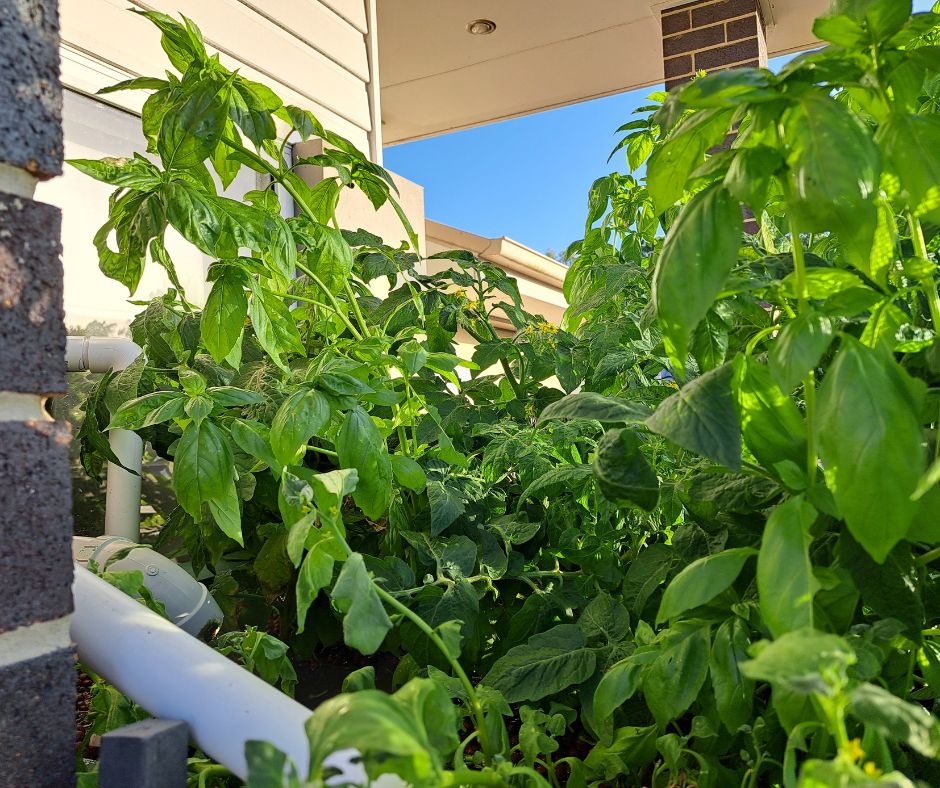
It was. Fully regrown, vibrant, ready for another harvest. You’d never know it had already been cut.
That’s the quiet miracle of regrowing vegetables; when you harvest the right way, they regenerate instead of disappearing.
Many plants are designed for this kind of ongoing growth. When you take only what you need and leave the roots or inner core intact, the plant simply continues on, producing new leaves again and again.
It’s not just efficient. It’s generous.
Check out the 13 fast-growing veggies that are perfect for your aquaponics system.
Easy Regrowing Vegetables to Try at Home
If you’re just starting out, there are so many vegetables that regrow easily, even in small systems or beginner gardens.
Some of my favourites include:
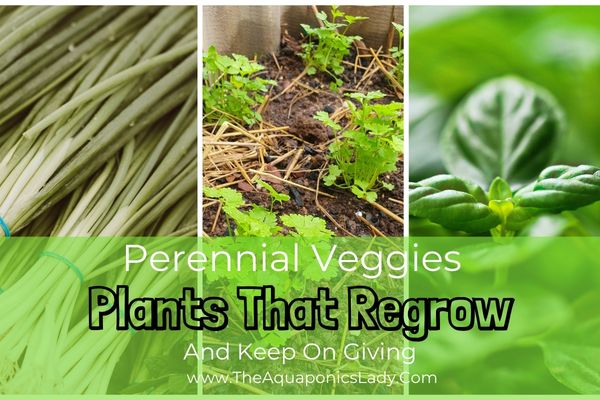
Spring onions — cut the tops and leave the base to regrow
Celery — trim above the base and watch it shoot up again
Silverbeet and kale — harvest outer leaves and let the centre continue growing
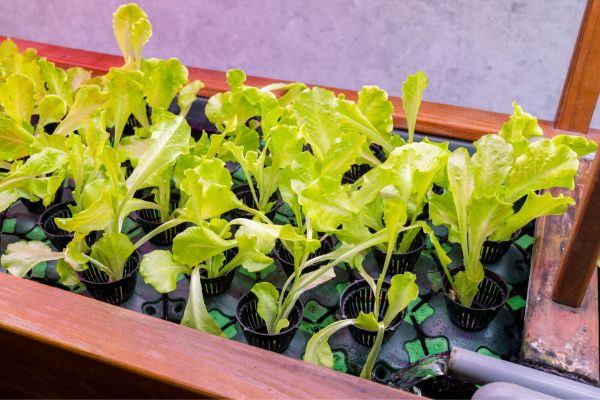
Spinach and lettuce — pick gently and regularly for ongoing harvests
Basil and herbs — prune often to encourage fuller growth
Many of these thrive beautifully in aquaponics systems, where the steady flow of nutrients supports faster recovery and regrowth.
Read about how aquaponics is more than just growing leafy greens and how it can benefit your family.
Curious About Starting Your Own Aquaponics Garden?
If this way of growing feels gentle, abundant, and a little bit magical… you’re not alone.
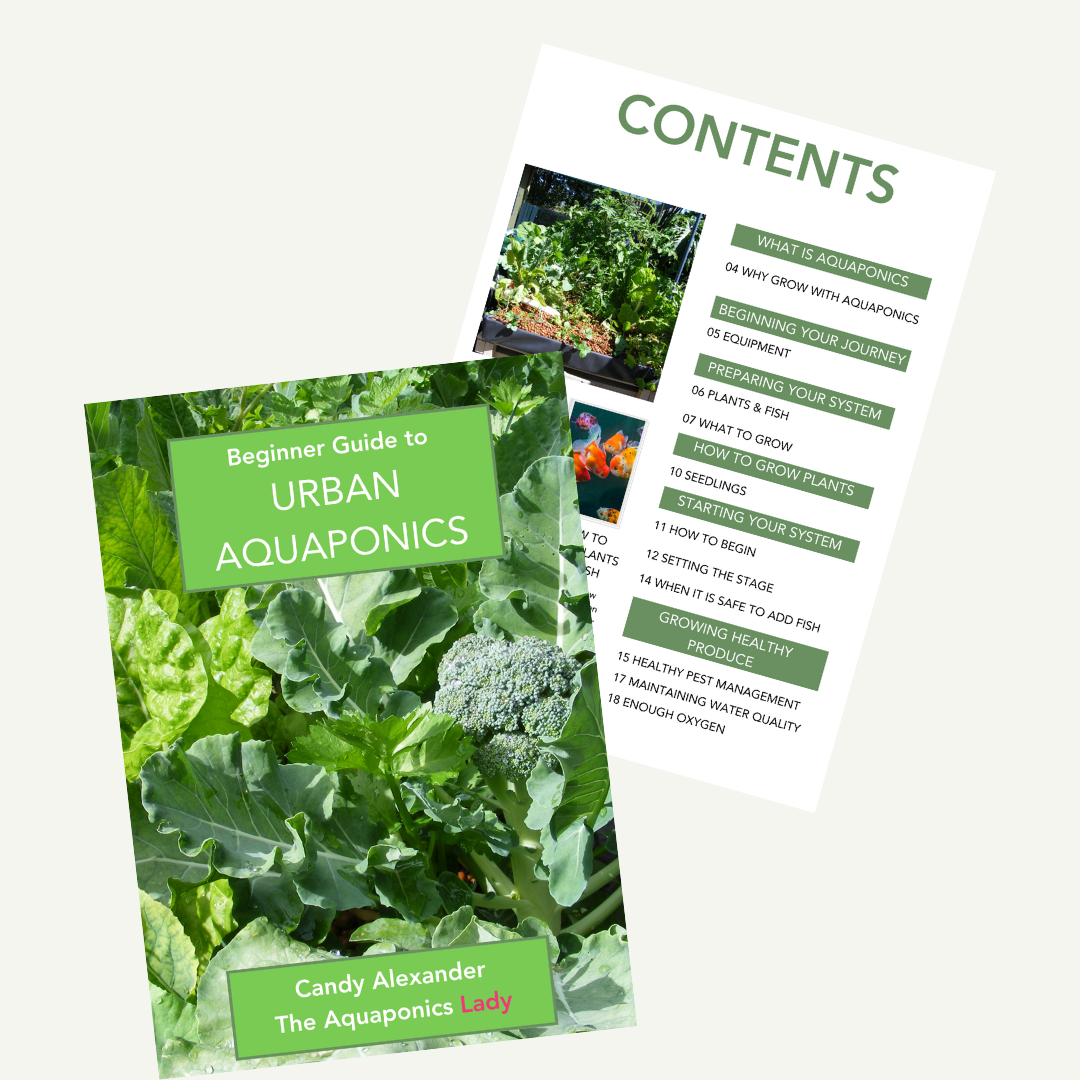
My Urban Aquaponics eBook is designed to help you explore whether aquaponics is right for you, while giving you simple, practical guidance to begin your journey with confidence.
Start small. Grow with intention. Let your garden grow with you.
Get your Free copy HERE
Best Perennial Plants for a Food Garden
Then there are the true “food that keeps on giving” plants, the perennials.
These are the ones that come back year after year, often with more strength and flavour than the first season.
Perennial spinach, rosemary, thyme, mint, strawberries, and asparagus are the steady givers. Once established, they just keep growing, quietly anchoring the garden and feeding you through the seasons.
They’re the old souls of the garden.
The ones that say, “You don’t have to start over every time.”
Why Regrowing Plants Thrive in an Aquaponics Garden
In aquaponics, regrowth becomes even more rewarding.
The constant supply of water and nutrients helps plants recover quickly, while the roots stay healthy and clean. In many systems, plants are also protected from the heat stress of very hot days.
When I trim celery, for example, I simply cut above the root base and leave the bottom in the grow bed. Within weeks, it’s shooting up again, crisp, green, and full of life.
It’s like nature’s slow-motion magic trick.
And best of all? No soil, no mess, and the fish get the bonus of a few dropped leaves. (They seem to think of it as a salad bar.)
Did I mention that I haven’t needed to weed an aquaponics system in 17 years? Read more about the benefits of aquaponics here.
Harvest Tips for Healthier, Longer-Lasting Plants
If there’s one thing I’ve learned, it’s this:
How you harvest matters.
Each time I harvest, I make sure to cut with care and intention. No rough pulling, no tearing. Just clean cuts and quiet gratitude.
For longer-lasting, healthier plants:
Harvest outer leaves first
Avoid damaging the centre or roots
Use clean, sharp tools
Harvest regularly, but gently
It might sound simple, but these small actions make a big difference.
When plants are treated well, they respond in kind.
Why Regrowing and Perennial Plants Are Worth Growing
For me, gardening, whether in soil or water, has always been about more than food.
It’s about connection.
Each plant, each fish, each small moment of care becomes part of something bigger. A system that gives back, again and again.
Our gardens are our blessings. They feed us, teach us, and remind us that life renews itself when given the chance.
The plants don’t take our harvests personally. They simply grow again.
And in their steady regrowth, they remind us to do the same.
So next time you harvest, pause before you pull.
Cut gently. Leave the roots. Whisper a quiet thank you.
And in a few weeks, your garden will whisper back:
“Here, have some more.”
Learn More About Aquaponics
Check out the COURSES page to learn how you can get started with aquaponics now. Click HERE.
Want to get your Eyes and Hands on the FREE Online Aquaponics Essentials Course?
This is a great free resource to really understand how aquaponics is a sustainable ecosystem that will grow your organic food is a productive way.
You learn how all the 'parts' make up the 'whole', and helps to give you the foundations of understanding aquaponics.
Sign up HERE
Check out My YouTube Channel 'Candy The Aquaponics Lady'
Aquaponics is an ecosystem, and with anything it takes time to learn how it works. So, sit back and binge watch my 'how to' playlist and the 'Water Quality Made Simple' Playlist, and learn the next steps in your aquaponics system as you create the ecosystem.
Here are the next 2 videos I recommend you watching to create your ecosystem ~ before you add any fish
How Aquaponics Works as an Ecosystem
Why Aquaponics is the best, and most sustainable form of gardening in small spaces
Learn More About Aquaponics
Check out the COURSES page to learn how you can get started with aquaponics now. Click HERE.
Want to get your Eyes and Hands on the FREE Online Aquaponics Essentials Course?
This is a great free resource to really understand how aquaponics is a sustainable ecosystem that will grow your organic food is a productive way.
You learn how all the 'parts' make up the 'whole', and helps to give you the foundations of understanding aquaponics.
Sign up HERE
Want to help out and Feed my Fish?? (They don't drink coffee)

Candy Alexander is a dedicated aquaponics enthusiast with a wealth of formal training in aquaculture. Over the past 15 years, Candy has been deeply immersed in both commercial and backyard aquaponics, honing her skills and expertise in this sustainable farming method.
Candy's passion lies in making aquaponics accessible to everyone. With a mission to simplify aquaponics, she believes that anyone can embark on this sustainable journey.
She encourages those new to aquaponics to "kick the tires" without a significant financial investment. Her guidance focuses on helping people start their aquaponics journey with small-scale systems, ensuring a low barrier to entry for newcomers.
Candy shares practical tips, step-by-step guides, and personal stories to inspire and guide readers on their aquaponics adventure. Whether you're a seasoned farmer or a curious beginner, Candy Alexander is your go-to source for simplifying aquaponics and fostering a sustainable gardening experience.


