Nutrient Lockout in Aquaponics: How pH Causes It (and How to Prevent It)

What Is Nutrient Lockout?
In aquaponics, healthy plants rely on a delicate balance between water chemistry, bacteria, and nutrients. When that balance slips, particularly through changes in pH, your plants can stop absorbing essential nutrients, even if they’re still present in the water.
This condition is known as nutrient lockout, and it’s one of the most common (and preventable) problems in home aquaponics systems.
How Nutrient Lockout Happens
Every nutrient—iron, calcium, magnesium, potassium, and others—has an ideal pH range where plants can absorb it efficiently.
When your pH drifts outside the range of 6.8–7.2, those nutrients become chemically unavailable, essentially “locked” in the water.
At high pH (above 7.5), plants struggle to access iron, manganese, and zinc.
At low pH (below 6.0), calcium, magnesium, and potassium become restricted, and beneficial bacteria start to die off.
Even if your fish are healthy and your plants are green one week.
But a silent pH drop can quickly turn everything upside down.
The Hidden Danger of Low pH
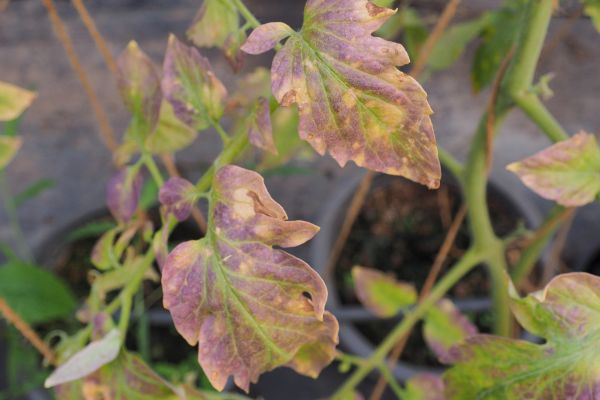
As fish waste is broken down during the nitrification process, it slowly acidifies the water. This happens naturally in every aquaponics system—but without regular testing, it can go unnoticed for weeks.
Once the pH slips below 6.0, your nitrifying bacteria (the ones that convert ammonia to nitrate) start to weaken. Below pH 5.5, they die off completely, causing ammonia to spike—a serious danger for your fish.
The problem? Most API test kits only measure down to pH 6.0.
So, your test might show a perfectly yellow “6.0” reading while your actual pH could be 5.0 or even lower, and you’d never know.
That’s why investing in an electronic pH monitor or pen is one of the best preventative steps you can take.
Watch This: The pH Experiment
pH Experiment: How Low Can It Go?
In this video, I drop the pH using vinegar to show how standard API test kits stop registering changes below pH 6, while an electronic monitor continues to measure accurately, even down to pH 5 and below.
It’s a clear visual reminder that pH drops can be invisible and devastating if left unchecked.
Why Prevention Is Better Than a Cure
Once nutrient lockout sets in, plants can take weeks to recover, even after you fix the pH. That’s why regular, simple maintenance is so important.
1. Test Your Water Weekly
Use both your standard test kit and a digital pH pen if you can.
Keep readings between 6.8 and 7.2 for the best nutrient availability.
If pH begins to fall, add a small buffer before it crashes.
2. Use Natural Buffers
Avoid chemical pH “up” or “down” products. Instead, use:
Calcium carbonate (shell grit or crushed coral) for a gentle pH rise.
Potassium bicarbonate for buffering that also adds useful potassium.
Add slowly and in small doses—adjusting 0.2–0.3 at a time is safest.
3. Maintain Balanced Feeding and Filtration
Overfeeding causes nutrient buildup, which shifts pH faster.
Clean your filters regularly and remove uneaten food to stabilise your system.
4. Keep Your System Aerated
Healthy bacteria thrive in well-oxygenated water. Good airflow helps maintain a stable biological environment, even if pH drifts slightly.
Recognising Signs of Nutrient Lockout
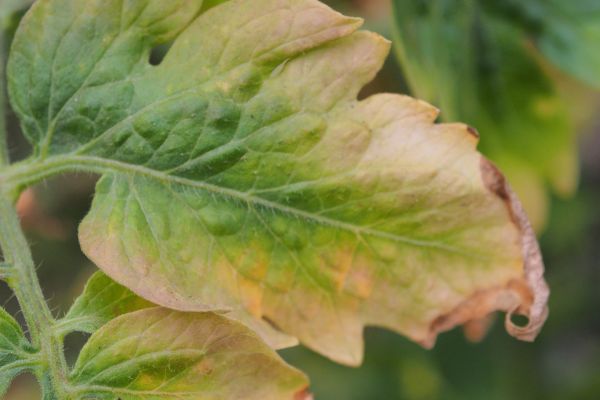
Even before you test your water, your plants can tell you something’s wrong:
Pale or yellow new leaves (iron lockout)
Leaf curl or brown edges (calcium or potassium lockout)
General slow growth despite good lighting and feeding
If these symptoms appear suddenly across multiple plants, check your pH first, it’s often the real culprit.
Restoring Balance After Lockout
Stop and Test Everything: Check pH, ammonia, nitrite, and nitrate levels.
Adjust pH Gradually: Raise it slowly using calcium carbonate or potassium bicarbonate.
Supplement Gently: Once pH stabilises, consider adding small doses of chelated iron or worm juice to replace nutrients plants couldn’t access.
Observe for Recovery: New growth should appear greener and healthier within one to two weeks.
Long-Term pH Management Tips
Regular testing prevents big surprises.
Add buffers weekly or fortnightly, a little maintenance is easier than an emergency fix.
Watch for seasonal changes: Warmer water (above 26°C / 79°F) can speed bacterial activity, causing faster pH drops.
Keep your system covered: Sunlight and evaporation can also shift water chemistry over time.
By catching pH swings early, you can avoid nutrient lockout altogether.
Final Thoughts: Balance Over Perfection
Aquaponics works best when you think like nature, making steady, gentle adjustments and keen observation.
Your pH will never be perfectly still, and that’s okay. What matters is balance.
A healthy range between 6.8 and 7.2 keeps your bacteria alive, your fish comfortable, and your plants well-fed. Regular testing and small corrections are all it takes to prevent nutrient lockout and keep your system thriving.
Learn More About Aquaponics
Check out the COURSES page to learn how you can get started with aquaponics now. Click HERE.
Want to get your Eyes and Hands on the FREE Online Aquaponics Essentials Course?
This is a great free resource to really understand how aquaponics is a sustainable ecosystem that will grow your organic food is a productive way.
You learn how all the 'parts' make up the 'whole', and helps to give you the foundations of understanding aquaponics.
Sign up HERE
Check out my YouTube Channel 'Candy The Aquaponics Lady'
Aquaponics is an ecosystem, and with anything it takes time to learn how it works. So, sit back and binge watch my 'how to' playlist and the 'Water Quality Made Simple' Playlist, and learn the next steps in your aquaponics system as you create the ecosystem.
Here are the next 2 videos I recommend you watching to create your ecosystem ~ before you add any fish
How Aquaponics Works as an Ecosystem
Why aquaponics is the best form of gardening for you
Learn More About Aquaponics
Check out the COURSES page to learn how you can get started with aquaponics now. Click HERE.
Want to get your Eyes and Hands on the FREE Online Aquaponics Essentials Course?
This is a great free resource to really understand how aquaponics is a sustainable ecosystem that will grow your organic food is a productive way.
You learn how all the 'parts' make up the 'whole', and helps to give you the foundations of understanding aquaponics.
Sign up HERE
Want to help out (donate some fish food) and Feed my Fish?? (They don't drink coffee)

Candy Alexander is a dedicated aquaponics enthusiast with a wealth of formal training in aquaculture. Over the past 15 years, Candy has been deeply immersed in both commercial and backyard aquaponics, honing her skills and expertise in this sustainable farming method.
Candy's passion lies in making aquaponics accessible to everyone. With a mission to simplify aquaponics, she believes that anyone can embark on this sustainable journey.
She encourages those new to aquaponics to "kick the tires" without a significant financial investment. Her guidance focuses on helping people start their aquaponics journey with small-scale systems, ensuring a low barrier to entry for newcomers.
Candy shares practical tips, step-by-step guides, and personal stories to inspire and guide readers on their aquaponics adventure. Whether you're a seasoned farmer or a curious beginner, Candy Alexander is your go-to source for simplifying aquaponics and fostering a sustainable gardening experience.


