Low Water Gardening Australia: Drought-Smart Veggie Tips

Low-Water Veggie Gardening: Drought-Smart Strategies for Pots, Beds, and Systems
Whether you’re gardening through a Queensland summer or dealing with tightening water restrictions elsewhere in Australia, one thing’s certain: we all need to get smarter about how we use water in the garden.
Dry spells don’t have to mean dead plants or empty veggie beds. With a few thoughtful changes, you can grow a thriving, productive garden while using far less water.
Let’s explore some drought-smart gardening strategies that actually work.
1. Choose Drought-Tolerant Vegetables That Can Handle the Heat
Some plants are naturally better suited to low-water gardening conditions. When water is limited, these should be your go-to choices.
Try:
Sweet potatoes, okra, eggplant, and capsicum — tough and sun-hardy
Zucchini and pumpkin — deep roots help them cope once established
Mediterranean herbs like rosemary, thyme, sage, and oregano
Amaranth, kang kong, and winged beans for warmer climates
Silverbeet and perpetual spinach for forgiving, reliable harvests
The key is choosing plants suited to your local climate, not just what looks good in a catalogue.
Check some of the best vegetables to grow in warmer weather.
2. Mulch to Reduce Water Loss and Protect Soil
If you do nothing else, mulch.
Mulch is one of the simplest and most effective waterwise gardening strategies. It protects roots, regulates soil temperature, and dramatically reduces evaporation.
Use organic mulches like:
Sugarcane
Lucerne
Straw
Wood chips or bark (for perennials and trees)
Apply it thickly — around 7–10 cm — and keep it topped up.
Even in pots, a thin layer of mulch can reduce watering frequency and protect the soil surface from drying out.
3. Water Deeply for Stronger Roots
Frequent shallow watering creates weak root systems.
Instead, water deeply and less often to encourage roots to grow deeper, where moisture lasts longer.
Best times to water:
Early morning (ideal)
Evening (if needed, but avoid wet leaves overnight in humid conditions)
To check your watering, dig down about 10 cm. If the soil is still damp, you’ve watered effectively.
4. Use Simple Irrigation Systems to Save Water
You don’t need complex systems to garden efficiently.
Simple solutions include:
Drip irrigation (targets roots directly)
Soaker hoses (great for long beds)
Wicking beds (self-regulating water supply)
Self-watering pots (perfect for small spaces)
These systems reduce water waste through evaporation and runoff while making your garden easier to manage.
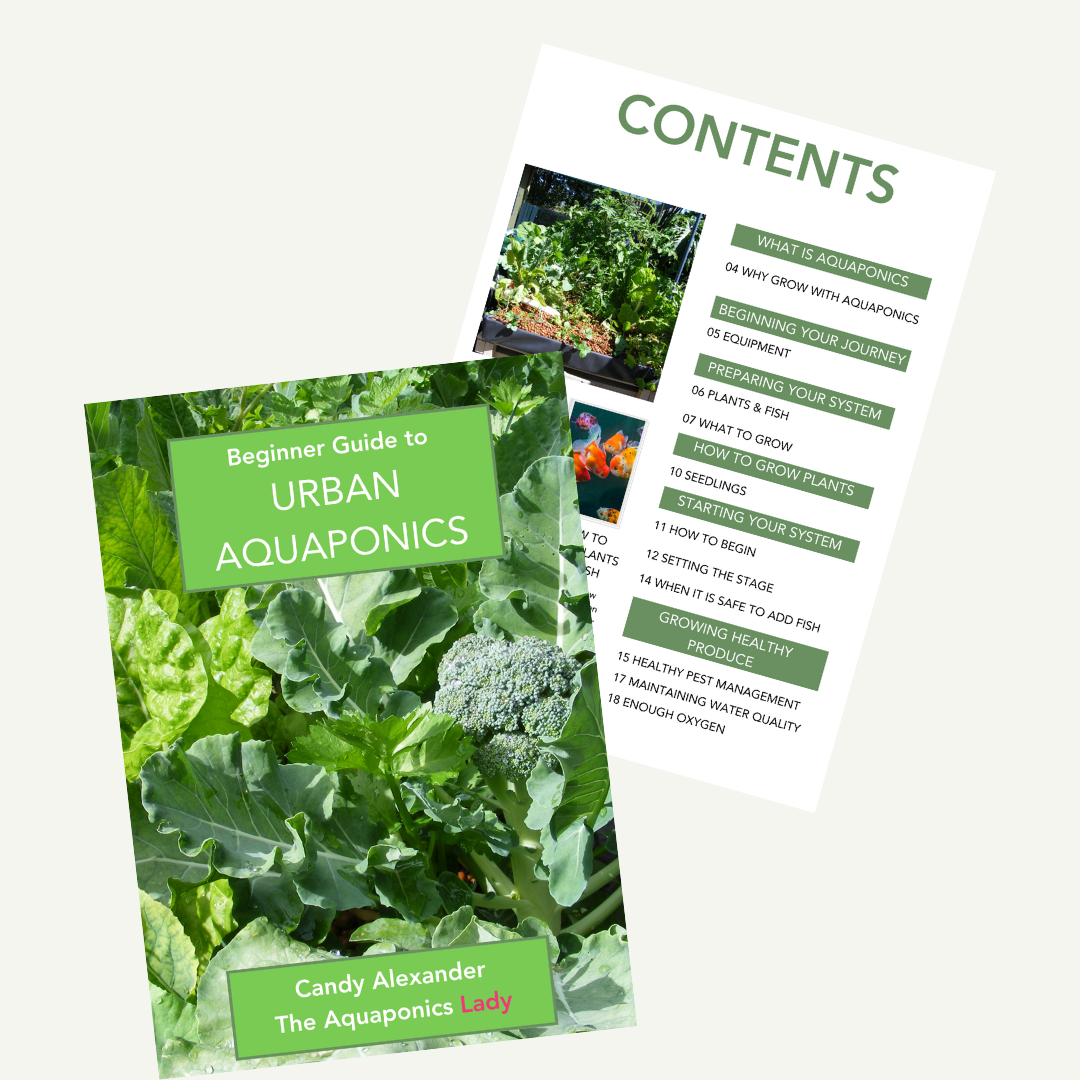
Grow More Food With Less Water
Get your free copy of the Urban Aquaponics eBook that helps you identify if aquaponics is for you, along with simple steps to get started.
Get inspired to start your journey today.
Get your Free copy HERE
5. Time Your Planting to Reduce Water Demand
Planting at the right time can significantly reduce how much water your garden needs.
Seedlings established in cooler months develop stronger root systems before heat arrives.
Tip:
Plant just before forecast rain to give your plants a natural boost.
For pots and raised beds, group plants with similar water needs together to avoid overwatering or underwatering.
6. Improve Soil Health for Better Water Retention
Healthy soil holds water like a sponge.
Adding organic matter such as compost, worm castings, or aged manure improves both moisture retention and soil structure.
Sandy soil holds more water
Clay soil becomes more workable over time
The healthier your soil, the less often you’ll need to water.
Why Aquaponics Uses Significantly Less Water
This is where aquaponics really shines.
In an aquaponic system, water continuously cycles between the fish tank and grow beds. Plants absorb nutrients while cleaning the water, which is then returned to the fish.
Unlike traditional gardening, where water is lost through evaporation and runoff, aquaponics systems reuse water efficiently.
This can use up to 90% less water than conventional gardening.
Even a small system can grow herbs, greens, and fruiting plants year-round with minimal water use.
How to start a small aquaponics system at home.
Grow More While Using Less Water
Low water gardening isn’t about restriction — it’s about working smarter.
By choosing the right plants, improving your soil, using mulch, and watering intentionally, you can create a resilient, productive garden even in dry conditions.
And if you want to take it further, aquaponics offers a powerful, water-efficient way to grow food sustainably.
Small changes really do make a big difference.
Learn More About Aquaponics
Check out the COURSES page to learn how you can get started with aquaponics now. Click HERE.
Want to get your Eyes and Hands on the FREE Online Aquaponics Essentials Course?
This is a great free resource to really understand how aquaponics is a sustainable ecosystem that will grow your organic food is a productive way.
You learn how all the 'parts' make up the 'whole', and helps to give you the foundations of understanding aquaponics.
Sign up HERE
Check out My YouTube Channel 'Candy The Aquaponics Lady'
Aquaponics is an ecosystem, and with anything it takes time to learn how it works. So, sit back and binge watch my 'how to' playlist and the 'Water Quality Made Simple' Playlist, and learn the next steps in your aquaponics system as you create the ecosystem.
Here are the next 2 videos I recommend you watching to create your ecosystem ~ before you add any fish
How Aquaponics Works as an Ecosystem
Why Aquaponics is the best, and most sustainable form of gardening in small spaces
Learn More About Aquaponics
Check out the COURSES page to learn how you can get started with aquaponics now. Click HERE.
Want to get your Eyes and Hands on the FREE Online Aquaponics Essentials Course?
This is a great free resource to really understand how aquaponics is a sustainable ecosystem that will grow your organic food is a productive way.
You learn how all the 'parts' make up the 'whole', and helps to give you the foundations of understanding aquaponics.
Sign up HERE
Want to help out and Feed my Fish?? (They don't drink coffee)

Candy Alexander is a dedicated aquaponics enthusiast with a wealth of formal training in aquaculture. Over the past 15 years, Candy has been deeply immersed in both commercial and backyard aquaponics, honing her skills and expertise in this sustainable farming method.
Candy's passion lies in making aquaponics accessible to everyone. With a mission to simplify aquaponics, she believes that anyone can embark on this sustainable journey.
She encourages those new to aquaponics to "kick the tires" without a significant financial investment. Her guidance focuses on helping people start their aquaponics journey with small-scale systems, ensuring a low barrier to entry for newcomers.
Candy shares practical tips, step-by-step guides, and personal stories to inspire and guide readers on their aquaponics adventure. Whether you're a seasoned farmer or a curious beginner, Candy Alexander is your go-to source for simplifying aquaponics and fostering a sustainable gardening experience.


