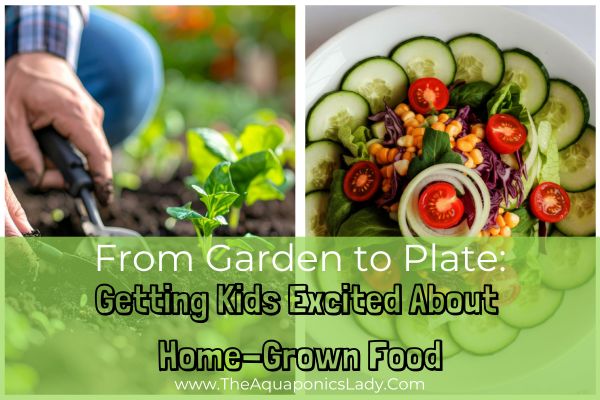
From Garden to Plate: Getting Kids Excited About Home-Grown Food

Kids can be funny when it comes to food.
You can serve them a plate of salad and they’ll look at it like you’ve asked them to eat grass. But hand them a cherry tomato they grew themselves, and suddenly they’re proud little chefs.
It’s one of the quiet miracles of kids' gardening — how it turns reluctant eaters into curious ones.
The Magic of Growing Food
When kids are part of growing food, something changes. Food stops being a mystery that “appears” in the fridge and becomes something alive — something they helped create.
They plant a seed, watch it sprout, water it, talk to it, and one day it gives them something to eat. That’s empowerment, disguised as play.
Even the smallest garden can teach children more than any classroom ever could — patience, responsibility, nurturing, and wonder.
And it doesn’t need to be complicated. One pot of herbs, a lettuce in a recycled container, or an aquaponics setup on the patio can be enough to spark a lifelong love of growing food.
If space is limited, here’s how you can grow fresh food at home without a backyard.
Let Them Get Messy
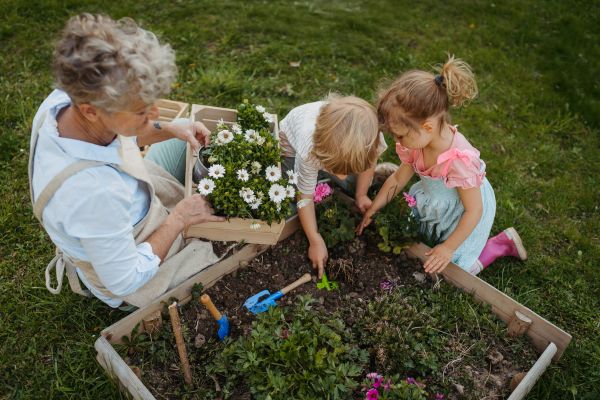
Kids learn best when they can touch, feel, and get their hands dirty.
Encourage them to dig holes, plant seeds, and water plants — even if it means a bit of mud on their clothes (or on you).
If they help grow it, they’ll want to taste it. It’s that simple.
Let them pick cherry tomatoes straight off the vine or peel a baby carrot they grew themselves. That’s where pride meets curiosity — and it’s a beautiful thing to watch.
Fish, Plants, and Gentle Lessons
If you have an aquaponics system, it’s a perfect way to teach kids about cycles and care.
You can even explore more fun and educational aquaponics activities for kids here.
They can feed the fish, watch how the waste becomes nutrients for the plants, and see how the plants clean the water.
It’s science, responsibility, and empathy all rolled into one.
And let’s be honest — watching fish has a calming effect on everyone, not just kids.
Many children who struggle with anxiety or sensory overload find aquaponics fascinating because it’s rhythmic and soothing. It shows how everything in nature works together — a lesson worth learning early.
Cooking Becomes an Adventure
Once the harvest comes in, bring the kids into the kitchen.
Let them help wash the lettuce, tear basil leaves, or stir herbs into a sauce. It doesn’t have to be perfect — it just has to be theirs.
One of my favourite things is watching a child’s face when they realise they’re eating something they grew. There’s pride, disbelief, and a little bit of magic in that moment.
And it often leads to something unexpected: they want to try more foods.
Suddenly, the “I don’t eat green things” rule disappears.
Tiny Steps, Big Lessons
Getting kids excited about homegrown food doesn’t have to mean turning your backyard into a farm. It can start with one pot, one plant, one moment of wonder.
Show them how mint smells when you rub the leaves.
Let them taste a snow pea straight from the vine.
Teach them how bees and butterflies help make the food we eat.
It’s about slowing down, noticing, and connecting.
The garden becomes a living classroom — and a playground.
Why It Matters
In a world full of fast food, fast screens, and fast everything, growing food brings kids back to something real. It teaches patience, appreciation, and gratitude.
And it reminds all of us — adults included — that food is life, not just fuel.
When we know where our food comes from, we treat it and ourselves with more care.
It all starts with choosing to grow real food at home.
Start Growing Together (Even in Small Spaces)
If you’ve been thinking about getting kids involved in growing food, it doesn’t have to be complicated or overwhelming.
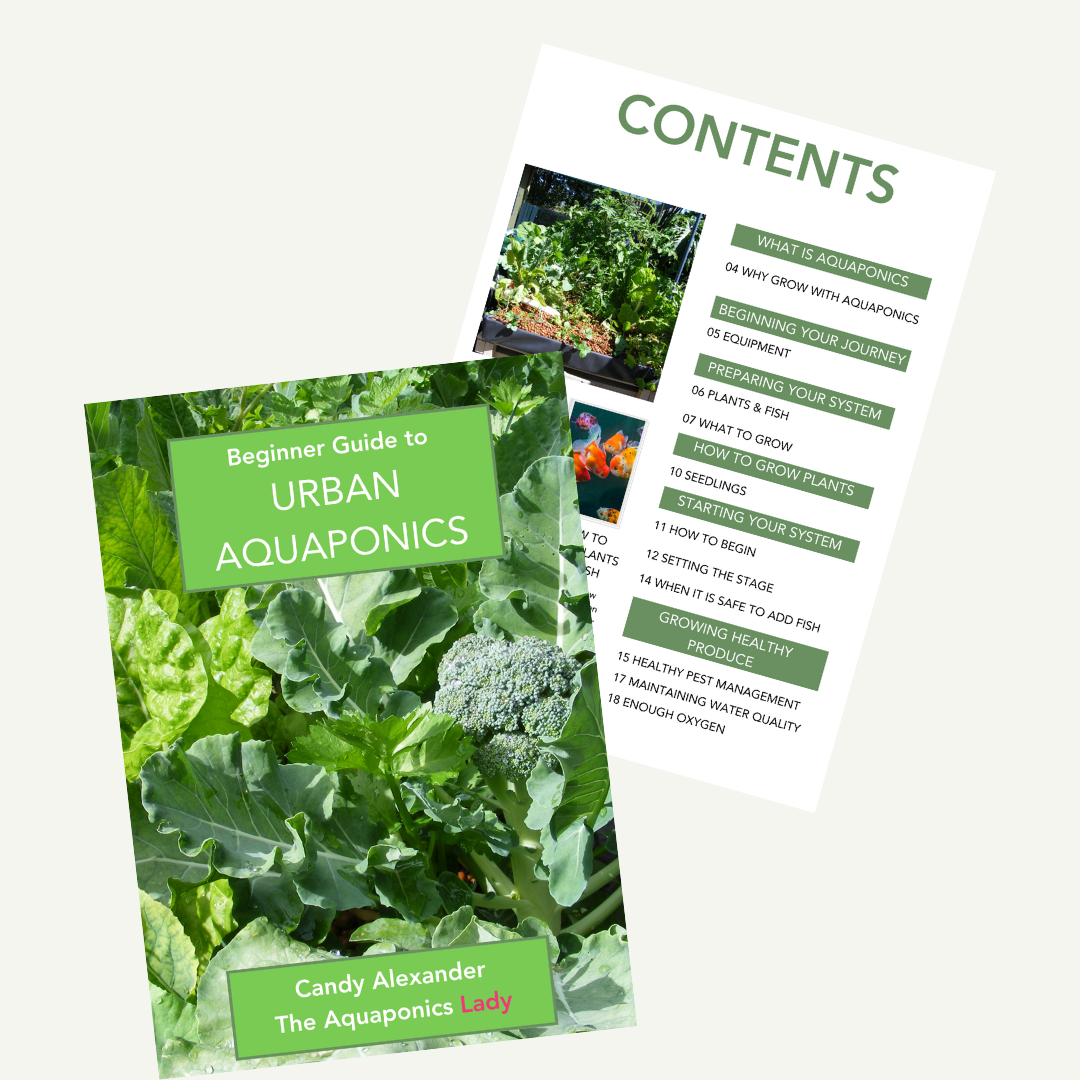
Get your free copy of the Urban Aquaponics eBook that helps you understand if aquaponics is right for you, along with simple steps to get started.
It’s a gentle way to begin, whether you’ve got a backyard, a patio, or just a small space to experiment.
Get your Free copy HERE
Start in the Garden
So if you want to get kids excited about healthy eating, don’t start at the table.
Start in the garden.
Because when their hands help grow it, their hearts want to eat it.
Learn More About Aquaponics
Check out the COURSES page to learn how you can get started with aquaponics now. Click HERE.
Want to get your Eyes and Hands on the FREE Online Aquaponics Essentials Course?
This is a great free resource to really understand how aquaponics is a sustainable ecosystem that will grow your organic food is a productive way.
You learn how all the 'parts' make up the 'whole', and helps to give you the foundations of understanding aquaponics.
Sign up HERE
Check out My YouTube Channel 'Candy The Aquaponics Lady'
Aquaponics is an ecosystem, and with anything it takes time to learn how it works. So, sit back and binge watch my 'how to' playlist and the 'Water Quality Made Simple' Playlist, and learn the next steps in your aquaponics system as you create the ecosystem.
Here are the next 2 videos I recommend you watching to create your ecosystem ~ before you add any fish
How Aquaponics Works as an Ecosystem
Why Aquaponics is the best, and most sustainable form of gardening in small spaces
Learn More About Aquaponics
Check out the COURSES page to learn how you can get started with aquaponics now. Click HERE.
Want to get your Eyes and Hands on the FREE Online Aquaponics Essentials Course?
This is a great free resource to really understand how aquaponics is a sustainable ecosystem that will grow your organic food is a productive way.
You learn how all the 'parts' make up the 'whole', and helps to give you the foundations of understanding aquaponics.
Sign up HERE
Want to help out and Feed my Fish?? (They don't drink coffee)

Candy Alexander is a dedicated aquaponics enthusiast with a wealth of formal training in aquaculture. Over the past 15 years, Candy has been deeply immersed in both commercial and backyard aquaponics, honing her skills and expertise in this sustainable farming method.
Candy's passion lies in making aquaponics accessible to everyone. With a mission to simplify aquaponics, she believes that anyone can embark on this sustainable journey.
She encourages those new to aquaponics to "kick the tires" without a significant financial investment. Her guidance focuses on helping people start their aquaponics journey with small-scale systems, ensuring a low barrier to entry for newcomers.
Candy shares practical tips, step-by-step guides, and personal stories to inspire and guide readers on their aquaponics adventure. Whether you're a seasoned farmer or a curious beginner, Candy Alexander is your go-to source for simplifying aquaponics and fostering a sustainable gardening experience.


