How to Plan a Heat-Resilient Veggie Garden in Hot Climates

How to Keep Your Veggie Garden Thriving Through Summer Heat
If you’ve ever stepped outside on a blazing summer day to find your lettuces wilting, your tomatoes sulking, and your herbs looking like they’ve been through a desert storm, you’re not alone.
Australian summers can be brutal, and even subtropical gardeners (like us in Queensland) have to get clever when it comes to helping our plants survive the heat.
The good news? With a few small changes, you can build a garden that thrives even when the thermometer pushes 35°C (95°F) and beyond.
Let’s talk about how.
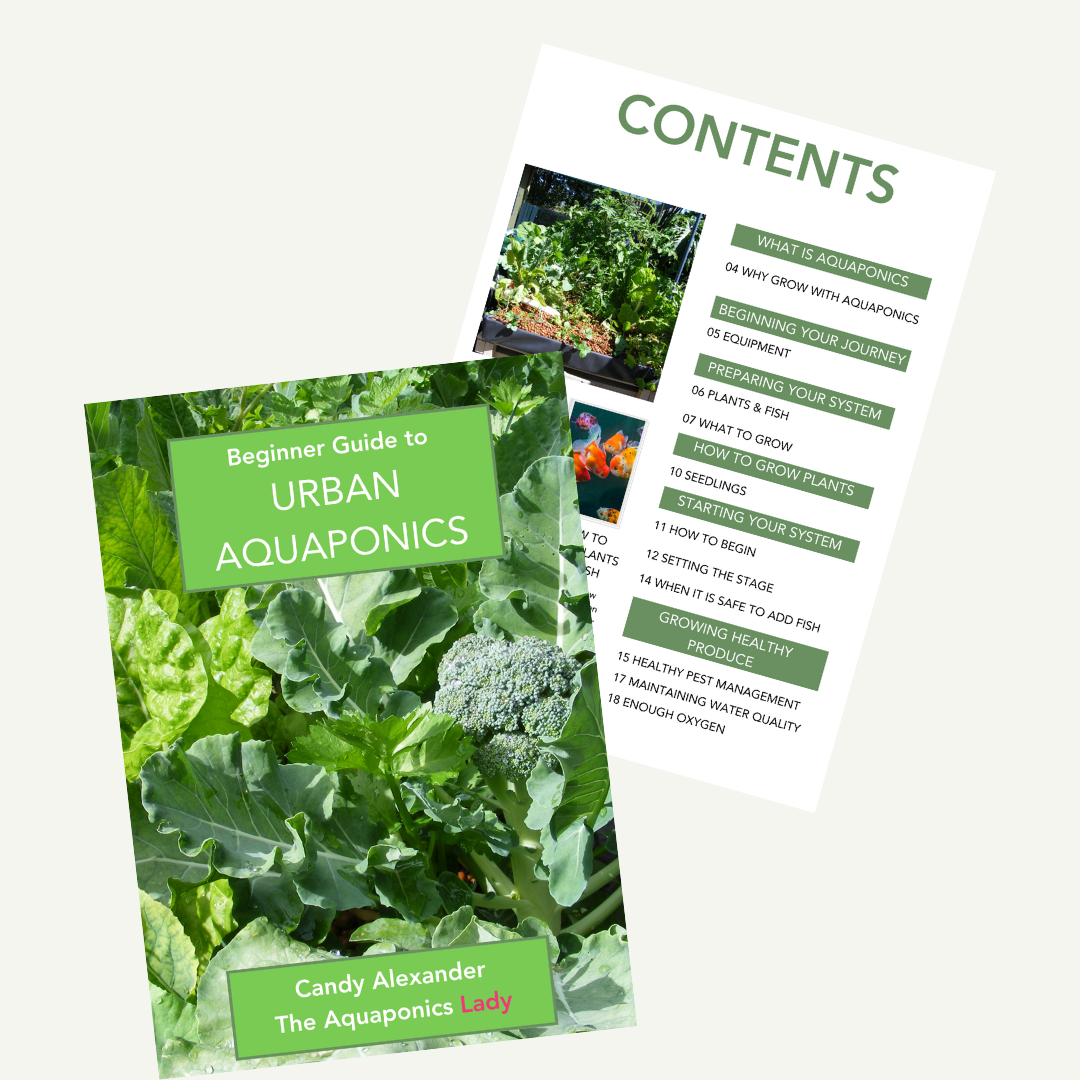
Curious if aquaponics could help your garden thrive through summer heat?
Get your free copy of the Urban Aquaponics eBook, designed to help you understand how aquaponics works, whether it’s right for your space, and how it can support water-efficient, heat-resilient food growing at home.
It’s a simple, beginner-friendly introduction to aquaponics, with practical insights to help you decide your next step.
Heat-Resilient Gardening Strategies for Hot Climates
When temperatures climb, your garden needs more than just extra watering. These practical strategies focus on plant choice, soil protection, shade, and water efficiency to help your veggie garden survive and even thrive through extreme heat, especially in hot climates.
1. Start with smart plant choices
Some veggies simply cope better with heat than others, which is especially important when gardening in hot climates. It’s tempting to grow everything you see in seed catalogues, but the key to summer gardening success is choosing varieties that love the warmth and grow in summer, not winter.
Here are some heat-tolerant stars to try:
Sweet potatoes – lush vines that thrive in full sun and bounce back after heatwaves.
Okra – a true summer warrior that loves it hot and humid.
Eggplant and chillies – both handle heat better than tomatoes.
Kang kong (water spinach) and amaranth – perfect for tropical and subtropical areas.
Spinaches that thrives in hot subtropical summers like Malabar, Brazillian and Egyptian – thrives in humidity and heat.
Basils, lemongrass, and rosemary – herbs that love warm conditions.
If you’re gardening in cooler regions, stick to quick-growing greens like rocket and cos lettuce, and grow them in part shade or under cover to help them last longer through summer.
Pro tip: You can eat most of your plants, not just the ‘known’ part. Like sweet potatoes, we all know you eat the tubers, but you can eat the green leaves too, they are rich in iron. Same with many vegetable stalks. There is often more food in your garden than you realise.
2. Mulch like your life depends on it (because your plants’ lives do)
Mulch is one of the easiest and cheapest ways to protect your soil and plants from heat stress in a summer vegetable garden.
It keeps the roots cool, slows evaporation, and improves soil health over time.
For the best results:
Use organic mulches like sugarcane, lucerne, or straw – this can depend on where you live as to what is available
Apply it thickly (7–10 cm), leaving a little space around stems to prevent rot.
Top it up regularly, especially after heavy rain or watering.
And if you’re growing in pots, try placing a thin layer of mulch on top, it makes a surprising difference in reducing water loss.

3. Create your own shade
Just like us, plants need shelter from the harsh midday sun.
Even sun-loving veggies can get scorched if the UV index is high or the soil dries out too quickly.
A few simple ideas:
Hang shade cloths over frames or trellises during the hottest part of the day. Around 30–50% shade is ideal for most veggies.
Use old bedsheets, umbrellas, or recycled mesh; it doesn’t have to be fancy.
Plant taller crops (like corn or sunflowers) to naturally shade smaller ones beneath.
For gardeners in rental properties or tight spaces, temporary shading can make all the difference between thriving plants and fried ones.
4. Water wisely
In hot weather, especially during extreme summer heat, overwatering and underwatering can both be problems.
The trick is to water deeply, not often. A good soak encourages roots to grow deeper, where it’s cooler and more stable.
Best times to water:
Early morning: This gives plants a chance to drink before the day heats up.
Evening: If mornings aren’t possible, but make sure leaves have time to dry to prevent mildew.
If you’re using wicking beds or self-watering pots, check the reservoirs often during heatwaves; they can dry out faster than you think.
5. Aquaponics: Your summer ally
Here’s where aquaponics quietly shines.
When the heat hits, aquaponic systems can help reduce plant stress in summer and in hot climates, even outdoors.
Because the roots are constantly bathed in flowing water, plants don’t have to wait all day for a drink. The circulating water helps stabilise root temperature, reducing the impact of extreme highs (and even some lows).
That said, aquaponics isn’t the only solution, and it’s not for everyone. Systems still need shading, good aeration, and protection for fish (edible or pets) when the water temperature climbs too high. But when done well, it’s one of the most water-efficient, heat-resilient ways to keep greens, veggies and herbs thriving when the soil garden starts to struggle.
Even a small balcony setup with a few herbs or leafy greens can provide steady harvests through the summer months. If you’re short on space, getting started with mini aquaponics is a practical way to grow food efficiently without needing a backyard.
Like any system, aquaponics takes a bit of learning, especially in hot weather. Being aware of common aquaponics mistakes beginners make can help you avoid unnecessary stress for both plants and fish as you’re getting started.
It is also perfect if you are renting, as you don’t have to worry about damaging property, and you can build a small system on cement, talk about space saving!
Watch: A Small Courtyard Aquaponics System for Hot Weather
6. Bonus tip: feed your soil
Healthy soil holds more water and stays cooler.
Add compost, worm castings, or well-aged manure regularly. These improve soil structure, encourage beneficial microbes, and help your plants recover faster after heat stress.
It’s like giving your garden a slow-release hydration boost from below.
Building a Heat-Resilient Veggie Garden That Lasts
A heat-resilient garden isn’t built overnight. It’s created through observation, small adjustments, and a bit of experimentation, particularly when gardening in hot climates. Every yard, balcony, and microclimate is different.
Start with what you have, use what you can recycle safely, and remember, sustainability isn’t about perfection. It’s about awareness, care, and learning how to work with the seasons rather than against them.
Your plants will thank you with steady growth and plenty of colour, even in the middle of summer.

Frequently Asked Questions About Gardening in Hot Climates
What vegetables grow best in hot climates?
Vegetables that grow best in hot climates are those that naturally tolerate heat and humidity. These include sweet potatoes, okra, eggplant, chillies, kang kong (water spinach), amaranth, and heat-loving spinaches like Malabar, Brazilian, and Egyptian spinach. Many herbs, such as basil, lemongrass, and rosemary, also cope well with summer conditions.
How do you protect vegetables from extreme summer heat?
Protecting vegetables from extreme summer heat starts with good soil health and moisture retention. Mulching helps keep roots cool and reduces evaporation, while shade cloth or temporary shading protects plants from harsh midday sun. Watering deeply at the right times of day and choosing heat-tolerant plants also plays a big role in keeping a veggie garden productive through summer.
Is aquaponics good for gardening in hot climates?
Aquaponics can be a good option for gardening in hot climates because plant roots have constant access to water, which helps reduce heat stress. The flowing water can also stabilise root temperatures during summer. Like any system, aquaponics still needs shading, aeration, and temperature management, but it can be a water-efficient way to grow vegetables during hot weather.
Learn More About Aquaponics
If you’re exploring more water-efficient and heat-resilient ways to grow food, my courses walk you through aquaponics step by step, from the basics through to building confidence with your own system.
Check out the COURSES page to learn how you can get started with aquaponics now. Click HERE.
Want to get your Eyes and Hands on the FREE Online Aquaponics Essentials Course?
Want a Simpler Way to Grow Food Through Summer?
The Free Online Aquaponics Essentials Course is a great starting point if you want to understand how aquaponics works as a sustainable, water-efficient ecosystem.
You’ll learn how all the different parts work together, build a solid foundation of understanding, and see whether aquaponics could support your food-growing goals, especially in hot climates.
Sign up for the free Aquaponics Essentials Course here
Keep Learning with My YouTube Channel 'Candy The Aquaponics Lady'
Aquaponics is an ecosystem, and like any garden, it takes time to understand how it responds to heat, water, and seasonal change.
If you enjoy learning visually, you can binge-watch my 'How to' playlist videos and Water Quality Made Simple' Playlist to build confidence with aquaponics as you create a resilient growing ecosystem.
Below are two videos I recommend watching next, especially before adding fish.
How Aquaponics Works as an Ecosystem
Why Aquaponics is the best, and most sustainable form of gardening in small spaces
Learn More About Aquaponics
Check out the COURSES page to learn how you can get started with aquaponics now. Click HERE.
Want to get your Eyes and Hands on the FREE Online Aquaponics Essentials Course?
This is a great free resource to really understand how aquaponics is a sustainable ecosystem that will grow your organic food is a productive way.
You learn how all the 'parts' make up the 'whole', and helps to give you the foundations of understanding aquaponics.
Sign up HERE
Want to help out and Feed my Fish?? (They don't drink coffee)

Candy Alexander is a dedicated aquaponics enthusiast with a wealth of formal training in aquaculture. Over the past 15 years, Candy has been deeply immersed in both commercial and backyard aquaponics, honing her skills and expertise in this sustainable farming method.
Candy's passion lies in making aquaponics accessible to everyone. With a mission to simplify aquaponics, she believes that anyone can embark on this sustainable journey.
She encourages those new to aquaponics to "kick the tires" without a significant financial investment. Her guidance focuses on helping people start their aquaponics journey with small-scale systems, ensuring a low barrier to entry for newcomers.
Candy shares practical tips, step-by-step guides, and personal stories to inspire and guide readers on their aquaponics adventure. Whether you're a seasoned farmer or a curious beginner, Candy Alexander is your go-to source for simplifying aquaponics and fostering a sustainable gardening experience.


